
Crawl Space Encapsulation vs. Basement Waterproofing: Which Do You Need?

AI Summary
Crawl space encapsulation seals and insulates the space beneath your home, while basement waterproofing prevents water intrusion in below-grade living areas.
Your home's foundation type, moisture issues, and intended use determine whether you need encapsulation, waterproofing, or both solutions.
Western Pennsylvania's climate and soil conditions create unique moisture challenges that require professional assessment to address properly.
Professional installation ensures proper vapor barriers, drainage systems, and long-term protection for your home's structural integrity.

Western Pennsylvania homeowners face a common dilemma: standing water appears in their lower level, musty odors permeate their home, and they cannot determine whether their crawl space or basement needs attention. Nearly 60% of homes in our region experience moisture problems that compromise indoor air quality and structural stability.
The confusion between crawl space encapsulation and basement waterproofing leaves many North Huntingdon, PA residents spending money on the wrong solution. Understanding which approach your home needs protects your investment and eliminates moisture problems permanently. Professional Basement Waterproofing services can evaluate your specific situation and recommend the most effective moisture control strategy.
Why This Matters for North Huntingdon, PA Homeowners
Crawl space encapsulation vs basement waterproofing decisions significantly impact your home's value, air quality, and structural integrity throughout Western Pennsylvania's changing seasons. Our region's clay-heavy soils retain moisture longer than sandy soils, creating hydrostatic pressure against foundation walls during spring thaws and heavy rainfall periods.
Local building codes and insurance requirements in Westmoreland County increasingly recognize moisture control as essential for maintaining coverage and property values. Homes without proper moisture barriers face higher premiums, difficulty selling, and potential structural damage that costs thousands more to repair than prevent.
Key Differences Between Crawl Space Encapsulation and Basement Waterproofing
Crawl space encapsulation and basement waterproofing address moisture problems in different areas of your home's foundation using distinct approaches and materials. Here are the fundamental differences:
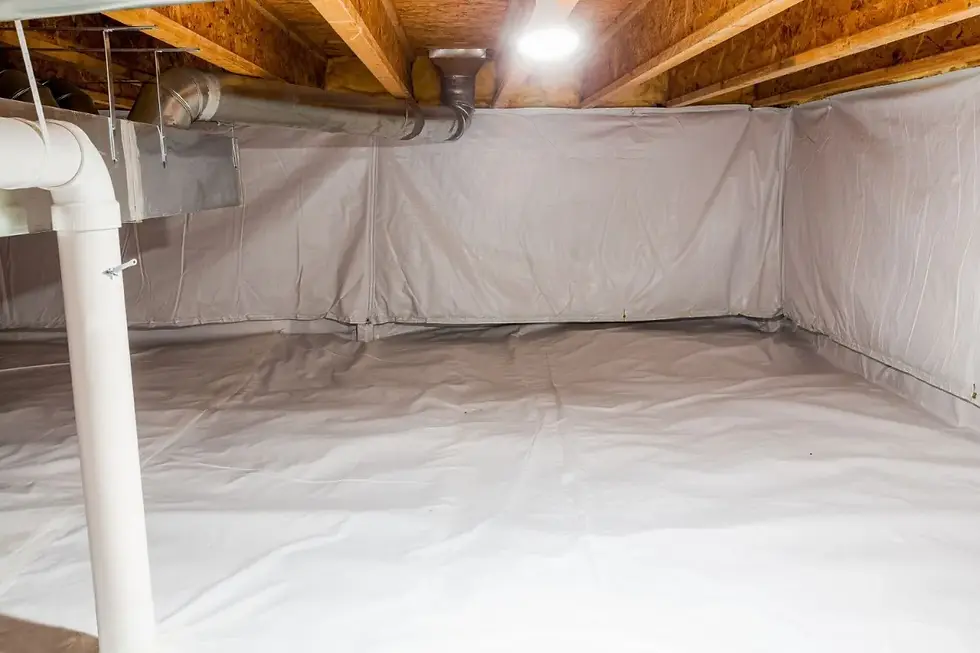
Crawl space encapsulation seals the entire crawl space with vapor barriers, insulation, and dehumidification systems
Basement waterproofing installs drainage systems, sealants, and barriers to prevent water entry into finished or unfinished basements
Encapsulation focuses on air quality and energy efficiency in homes with crawl space foundations
Waterproofing addresses active water intrusion and prevents flooding in below-grade spaces
Encapsulation typically costs less but provides different benefits than comprehensive basement waterproofing
Understanding Your Home's Foundation Type
Most Western Pennsylvania homes built before 1980 feature full basements, while newer construction often incorporates crawl spaces to reduce excavation costs on sloped lots. Crawl spaces measure between 18 inches and 4 feet in height, providing access to utilities without the expense of full basement excavation.
Crawl Space Characteristics
Crawl spaces in our region typically feature concrete block or poured concrete walls with dirt floors or basic concrete slabs. These spaces often lack proper moisture barriers, allowing ground moisture to evaporate into your home's air supply through the stack effect.
Vented crawl spaces, common in older construction, actually increase moisture problems by drawing humid summer air into contact with cool surfaces. This creates condensation that promotes mold growth and wood rot in floor joists and subflooring.
Basement Foundation Features
Full basements extend 6 to 8 feet below ground level and may serve as finished living space, storage areas, or utility rooms. These spaces require more comprehensive waterproofing because they experience greater hydrostatic pressure and water intrusion risks than crawl spaces.
When Each Solution Makes Sense
Crawl space encapsulation works best for homes experiencing humidity issues, energy loss, and air quality problems without active water intrusion. Signs that encapsulation may solve your problems include musty odors, cold floors, high energy bills, and visible condensation on crawl space surfaces.
Basement waterproofing becomes necessary when you observe water stains, active leaks, efflorescence on walls, or standing water after rainfall. Professional Foundation Repair specialists can identify whether structural issues contribute to your moisture problems and require additional attention beyond waterproofing alone.
Cost and Timeline Considerations
Crawl space encapsulation projects typically range from $3,000 to $8,000 depending on square footage, existing conditions, and materials selected. Most encapsulation work completes within 2 to 3 days with minimal disruption to your daily routine.
Basement waterproofing investments vary widely based on the extent of water intrusion, drainage requirements, and structural repairs needed. Interior drainage systems with sump pumps generally cost less than exterior excavation and waterproofing but may not address all moisture sources effectively.
People Also Ask
How do I know if my crawl space needs encapsulation?
Signs your crawl space needs encapsulation include musty odors throughout your home, cold floors during winter months, and visible moisture or condensation on crawl space walls. You may also notice higher energy bills and humidity levels above 60% in your living areas.
What is the difference between crawl space encapsulation and vapor barriers?
Crawl space encapsulation is a comprehensive system that includes vapor barriers, insulation, air sealing, and often dehumidification equipment. A vapor barrier alone only covers the ground surface and does not address air leakage or humidity control throughout the space.
Can I waterproof my basement from the inside only?
Interior basement waterproofing effectively manages water intrusion through drainage systems and sump pumps but may not eliminate all moisture sources. The best approach depends on your specific water intrusion patterns, soil conditions, and budget considerations for long-term protection.
How long does crawl space encapsulation last?
Professional crawl space encapsulation systems typically last 15 to 20 years with proper maintenance and quality materials. The vapor barrier warranty and dehumidifier lifespan determine when components may need replacement or service to maintain effectiveness.
FAQ
Do I need permits for crawl space encapsulation or basement waterproofing?
Most crawl space encapsulation projects do not require permits in Western Pennsylvania, but basement waterproofing involving electrical work or structural changes may need local approval. Your contractor should verify permit requirements with your municipality before beginning work.
Can I install both crawl space encapsulation and basement waterproofing?
Some homes benefit from both solutions, particularly if you have a combination foundation with both crawl space and basement areas. Professional assessment determines whether your moisture problems require one system, both systems, or alternative approaches for complete protection.
Will encapsulation or waterproofing increase my home value?
Both improvements typically increase home value and marketability, though actual returns depend on local market conditions and the severity of moisture problems before treatment. Buyers increasingly expect moisture control systems in homes throughout our region's challenging climate.
How do I choose between DIY and professional installation?
Professional installation ensures proper materials, techniques, and warranties that DIY approaches cannot match. Moisture control mistakes often cost more to correct than professional installation costs initially, making expert service the more economical long-term choice.
Protect Your North Huntingdon Home with Expert Moisture Control
Choosing between crawl space encapsulation and basement waterproofing requires understanding your home's specific moisture challenges and foundation characteristics. Our experienced team has helped hundreds of Western Pennsylvania homeowners solve moisture problems with tailored solutions that provide lasting protection.
Do not let moisture damage compromise your family's health, comfort, or your home's structural integrity. Professional assessment identifies the most effective approach for your situation while ensuring proper installation and long-term performance.
Visit A Better Choice, Inc. or call 724-863-9696 today. Our moisture control experts provide free evaluations that identify exactly which solution your home needs for complete protection. Contact us for more information.



Comments