
How Can I Tell If Mold Is Hiding in My Basement?

AI Summary
Learn how to identify hidden mold in your basement before it spreads.
Understand the early signs such as odors, wall discoloration, moisture, and poor ventilation.
Discover the common causes of basement mold in Pittsburgh and the surrounding areas.
See when homeowners should schedule basement waterproofing, home ventilation systems, or structural repairs for long-term protection.
How Can I Tell If Mold Is Hiding in My Basement?
Basement mold is one of the most common home issues in Pittsburgh, North Huntingdon, Irwin, and Westmoreland County. Because basements stay cool, damp, and poorly ventilated, they create the perfect conditions for mold to grow even when you cannot see it. Many homeowners only discover mold after it has spread behind walls, under flooring, or inside storage areas.
Mold hides easily, especially in older Western PA homes with moisture problems, seepage after storms, or aging ventilation. Since mold can affect both the structure of your home and the health of your family, early detection is extremely important.
This guide explains the most common signs that mold is hiding in your basement, what causes it, and how to stop mold from coming back.
Why Mold Loves Basements in Western PA
Basements naturally attract moisture, but local climate conditions make mold even more likely in this region. Pittsburgh and nearby towns have:
High annual rainfall
Humid summers
Frequent storms
Cold winters that increase condensation
Older homes with aging foundations
These conditions trap moisture in the basement and create long-term mold problems unless homeowners take steps to control airflow, water intrusion, and humidity.
Signs Mold Is Hiding in Your Basement
Even when mold is not visible, several signs indicate that it is growing behind walls, under insulation, or in dark corners.
1. A Persistent Musty Odor
A musty or earthy smell is the biggest warning sign of hidden mold. The odor is produced by microbial volatile organic compounds released by mold as it grows.
If the smell returns after cleaning or airing out the basement, it is likely that mold is growing behind surfaces.
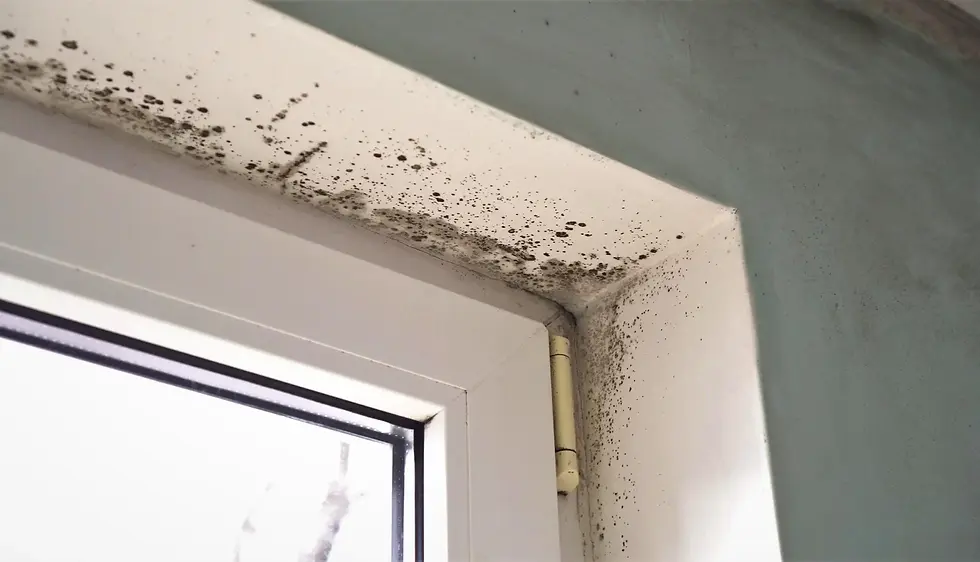
2. Discoloration on Walls or Floors
Mold often starts as faint:
Yellow staining
Brown streaks
Black specks
Greenish patches
Concrete walls can also show darker wet spots that indicate moisture behind them. When stains appear repeatedly after rain, the home may need basement waterproofing to stop the moisture source.
3. Peeling Paint or Bubbling Wall Finish
Moisture becomes trapped behind paint when mold grows underneath. This causes bubbling, peeling, or cracking paint.
On block or concrete walls, efflorescence (white powder) may also appear, which often accompanies mold.
4. High Humidity or Damp Air
If your basement feels damp or sticky, humidity levels may be supporting mold growth. Basements in zip clusters like 15642 and 15221 often suffer from humidity due to poor airflow.
In these cases, upgrading home ventilation systems helps reduce moisture and stop mold from spreading.
5. Allergy Symptoms That Get Worse Indoors
Hidden mold can trigger:
Sneezing
Coughing
Eye irritation
Headaches
Breathing issues
If symptoms worsen in the basement or improve when you leave the home, mold may be the cause.
6. Water Intrusion After Rain
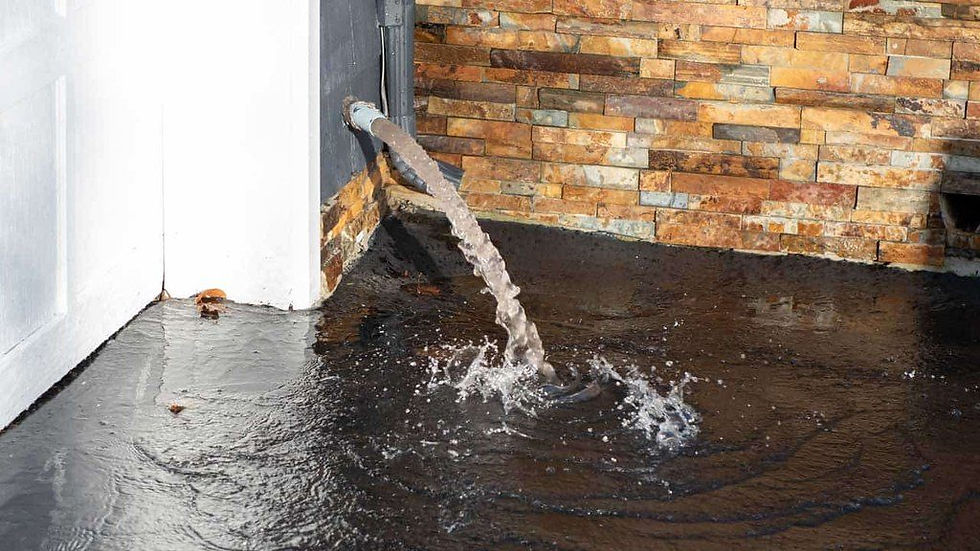
If water enters the basement during storms, mold often grows in hidden areas afterward. Look for moisture around:
Floor-wall joints
Cracks in the foundation
Window wells
Sump pump areas
Recurring water issues signal the need for basement waterproofing or possibly structural repairs if cracks are causing seepage.
7. Warped Wood or Crumbling Drywall
Mold feeds on organic materials. If you notice warped studs, soft wood, or crumbly drywall, mold may be growing inside the walls.
8. Condensation on Windows or Pipes
Constant condensation means the air is too moist. Mold thrives in this type of environment, especially in basement corners or behind furniture.
What Causes Hidden Basement Mold?
1. Water Leaks and Seepage
Rainwater entering through cracks, porous concrete, or faulty window wells creates long-term moisture inside walls. This is the most common mold cause in Pittsburgh homes.
Water intrusion requires basement waterproofing to fix the source permanently.
2. Poor Ventilation
Basements without proper airflow trap humid air. This causes sweating walls and ideal mold conditions. Upgrading home ventilation systems helps keep moisture levels stable.
3. High Groundwater and Hydrostatic Pressure
Many Western PA homes sit on clay-heavy soil or low-lying land. After storms, groundwater pushes against basement walls and causes seepage.
4. Plumbing Leaks
Slow leaks from pipes, water heaters, or drains often hide behind basement walls and feed mold growth.
5. Foundation Cracks
Cracks in the foundation let moisture in, especially during heavy rain. If cracks grow or bowing walls appear, structural repairs may be needed to prevent long-term mold conditions.
6. Flooding or Standing Water
Past flooding or repeated puddling on the floor creates deep moisture inside flooring materials that mold can feed on for years.
How to Confirm Mold Is Hiding in Your Basement
Homeowners can look for clues, but confirmation usually requires professional assessment.
Look Behind Problem Areas
Check behind:
Paneling
Baseboards
Insulation
Stored boxes
HVAC units
Mold commonly hides where airflow is restricted.
Use a Flashlight to Check Corners
Dark corners and low-traffic areas are where mold often begins.
Inspect After Heavy Rain
If stains or odors appear only during storms, moisture intrusion is likely the cause.
How A Better Choice Inc. Helps Remove the Root Cause
A Better Choice Inc. does not simply treat mold. They focus on eliminating the conditions that cause mold to grow.
Step 1: Moisture and Mold Source Assessment
A thorough inspection identifies where moisture enters and how mold is spreading.
Step 2: Basement Waterproofing
If mold is caused by seepage or groundwater, professional basement waterproofing prevents water from entering the home. This protects the foundation long-term.
Step 3: Structural Repairs
If cracks or shifting walls allow moisture into the basement, structural repairs may be needed to stabilize and seal the foundation.
Step 4: Ventilation Improvements
If humidity is the main issue, upgraded home ventilation systems improve airflow, reduce moisture, and prevent mold from returning.
Problem to Solution: Helping Homeowners Prevent Mold
Problem: Musty odors return after cleaning
Solution: Improve airflow with home ventilation systems to reduce humidity.
Problem: Water seeps in after heavy rain
Solution: Install basement waterproofing to block moisture at the source.
Problem: Cracks allow water to enter the basement
Solution: Schedule structural repairs to prevent long-term damage.
Problem: Stains and peeling paint keep appearing
Solution: Professional waterproofing and ventilation solve the underlying issue.
People Also Ask
How do I know if mold is behind my basement walls?
Look for musty odors, wall stains, humidity, peeling paint, or health symptoms.
Can mold grow even if I cannot see it?
Yes. Mold often hides behind drywall, insulation, or stored items.
Does waterproofing remove mold?
Waterproofing stops new moisture from entering, which prevents mold from returning.
Is basement mold dangerous?
Yes. Mold affects air quality, causes allergies, and damages building materials.
FAQ Section
How quickly does mold grow in a damp basement?
Mold can begin growing within 24 to 48 hours.
Can a dehumidifier remove mold?
No. It reduces humidity but does not eliminate existing mold colonies.
When should I call a professional?
If moisture appears after rain, cracks form, or odors persist, call immediately.
Will mold come back after removal?
Yes, unless the underlying moisture cause is fixed.
Protect Your Home from Hidden Basement Mold
Hidden mold can damage your home and affect your family’s health if it is not addressed quickly. Whether mold is caused by humidity, water intrusion, cracks, or poor airflow, A Better Choice Inc. provides long-term solutions to fix the source of the problem.
Call 1-800-343-2357 or fill out the online form to schedule your inspection. A Better Choice Inc. proudly serves Pittsburgh, North Huntingdon, Irwin, and Westmoreland County with trusted waterproofing and foundation services.



Comments