
What Causes Crawl Space Wood Rot in PA Homes?
- A Better Choice Inc.

- Feb 12
- 5 min read
AI Summary
Crawl space wood rot is caused by long-term moisture exposure and poor airflow.
Pennsylvania soil and weather patterns make crawl spaces especially vulnerable.
Early signs often appear before structural damage becomes visible.
Long-term solutions focus on moisture control, drainage, and ventilation.ent.
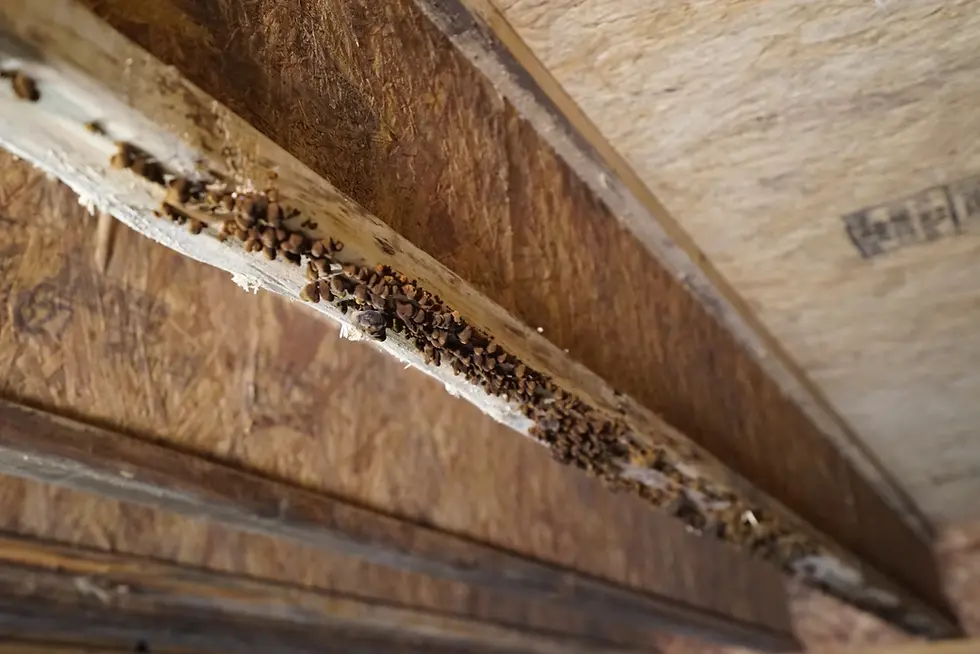
Crawl space wood rot is a serious issue that affects many homes across Pennsylvania, especially in areas like Pittsburgh, North Huntingdon, Irwin, and throughout Westmoreland County. Homeowners often discover the problem only after floors begin to feel soft, odors worsen, or structural damage becomes noticeable. By that point, wood rot may already be compromising critical support components beneath the home.
Wood rot develops when moisture remains in contact with wood for extended periods. Crawl spaces are particularly vulnerable because they are close to the soil, often poorly ventilated, and exposed to groundwater moisture. Pennsylvania’s climate and soil conditions make these areas prone to dampness year-round.
This guide explains what causes crawl space wood rot in PA homes, how to recognize early warning signs, and what steps help prevent long-term structural damage.
Why Crawl Spaces Are Prone to Wood Rot
Crawl spaces naturally create conditions that support moisture buildup.
Proximity to Soil Moisture
Crawl spaces sit directly above the ground. Moisture from the soil evaporates upward and collects in enclosed spaces.
Limited Airflow
Many crawl spaces lack adequate ventilation, allowing humid air to remain trapped.
Cooler Temperatures
Cooler crawl space temperatures cause moisture to condense on wood surfaces.
Older Construction Practices
Many older homes were built without proper vapor barriers or moisture control systems.
Primary Causes of Crawl Space Wood Rot
Several factors commonly contribute to wood rot in crawl spaces.
Excess Moisture From the Ground
Soil moisture is one of the most common sources of crawl space dampness.
Rising Moisture Vapor
Water vapor naturally rises from damp soil into the crawl space, especially after rain.
Clay Heavy Soil in Pennsylvania
Clay soil, common in zip clusters like 15642, 15137, and 15644, absorbs and holds water, increasing evaporation into crawl spaces.
Standing Water After Storms
Poor drainage allows water to collect beneath the home.
Poor Crawl Space Drainage
Drainage issues often go unnoticed.
Improper Grading Around the Home
Soil that slopes toward the foundation directs water beneath the crawl space.
Short or Disconnected Downspouts
Downspouts that discharge near the home increase soil saturation.
Clogged Exterior Drains
Blocked drains trap water near the foundation.
High Humidity and Poor Airflow
Humidity plays a major role in wood deterioration.
Trapped Moist Air
Without airflow, humid air remains in contact with wood framing.
Seasonal Humidity Spikes
Spring and summer humidity raise moisture levels inside crawl spaces.
Condensation on Wood Surfaces
Warm humid air meeting cooler surfaces causes condensation.
Plumbing Leaks and Condensation
Plumbing issues often contribute to hidden moisture.
Slow Leaks
Small leaks from pipes or fittings may go unnoticed for long periods.
Condensation on Cold Pipes
Uninsulated pipes drip moisture onto nearby wood.
Drain Line Issues
Drain leaks can saturate soil under the crawl space.
Flooding and Water Intrusion Events
Occasional flooding can cause lasting damage.
Heavy Rain or Snowmelt
Seasonal storms introduce large volumes of water beneath homes.
Poor Foundation Sealing
Gaps allow water to enter the crawl space during storms.
Inadequate Moisture Barriers
Missing barriers allow water to spread freely.
Signs Crawl Space Wood Rot Is Developing
Early detection helps limit damage.
Musty or Earthy Odors
Persistent odors often signal decaying wood.
Soft or Spongy Floors
Wood rot weakens floor joists and subflooring.
Sagging Floors
Structural supports lose strength as rot progresses.
Visible Mold or Fungal Growth
Mold often grows alongside wood rot.
Discolored or Crumbling Wood
Darkened or flaky wood indicates moisture damage.
Increased Pest Activity
Termites and insects are attracted to damp wood.
Why Crawl Space Wood Rot Is Dangerous
Wood rot affects both structure and indoor air quality.
Structural Weakening
Rot compromises beams, joists, and supports.
Spread of Damage
Rot spreads to nearby wood if moisture remains.
Mold Growth and Air Quality Issues
Spores travel upward into living spaces.
Higher Repair Costs
Advanced rot requires extensive structural replacement.
Reduced Home Value
Structural issues raise concerns during inspections.
Why Temporary Fixes Do Not Stop Wood Rot
Surface-level solutions rarely address the cause.
Spraying Fungicides Alone
This does not remove moisture or stop decay.
Drying the Crawl Space Temporarily
Moisture returns without drainage and airflow control.
Replacing Wood Without Moisture Control
New wood will rot again if conditions remain.
How to Stop Crawl Space Wood Rot Long Term
Permanent solutions focus on moisture management.
Control Ground Moisture
Reducing moisture beneath the home is critical.
Improve Exterior Drainage
Extend downspouts away from the home
Correct soil grading
Maintain exterior drains
Address Water Intrusion
When moisture consistently enters from outside, basement waterproofing solutions can help manage groundwater and protect crawl spaces connected to the foundation.
Improve Crawl Space Airflow
Air movement helps reduce humidity.
Homes with persistent crawl space moisture often benefit from home ventilation systems designed to balance airflow and reduce humidity buildup.
Insulate Cold Surfaces
Insulating pipes and ductwork reduces condensation.
Repair Structural Damage
If rot has already weakened supports, structural repairs may be required to restore safety and stability.
Problem to Solution
Problem: Crawl space smells musty
Solution: Reduce moisture and improve airflow.
Problem: Floors feel soft or sag
Solution: Repair damaged wood and control moisture.
Problem: Mold appears under the home
Solution: Improve ventilation and moisture management.
Problem: Wood rot keeps returning
Solution: Address drainage and install proper moisture control systems.
People Also Ask
What causes wood rot in crawl spaces?
Long-term exposure to moisture and humidity.
Is crawl space wood rot common in PA?
Yes, due to soil and climate conditions.
Can wood rot spread to the rest of the house?
Yes, if moisture remains uncontrolled.
Does ventilation help prevent wood rot?
Yes, when combined with moisture control.
FAQ
How long does it take for wood rot to develop?
It can begin within months under constant moisture.
Can rotten wood be repaired?
Yes, but moisture must be controlled first.
Is crawl space encapsulation necessary?
It depends on moisture conditions and home design.
When should I call a professional?
If odors, sagging floors, or visible rot appear.
Protect Your Home From Crawl Space Wood Rot
Crawl space wood rot is a serious issue that often starts quietly but leads to major structural damage if ignored. Moisture control, airflow, and early intervention are key to protecting your home.
A Better Choice Inc. provides long-term solutions that address crawl space moisture, ventilation, and structural damage. Call 1-800-343-2357 or fill out the online form to schedule a professional crawl space evaluation. We proudly serve Pittsburgh, North Huntingdon, Irwin, and Westmoreland County.


Comments