
Why Do Foundation Cracks Keep Reappearing?
- A Better Choice Inc.

- Feb 23
- 5 min read
AI Summary
Foundation cracks that reappear usually mean the root cause was never fixed.
Soil movement, moisture pressure, and seasonal changes drive recurring cracks.
Surface repairs often fail without drainage and stability solutions.
Long-term fixes focus on pressure relief and foundation support.

Many homeowners in Pittsburgh, North Huntingdon, Irwin, and across Westmoreland County become frustrated when foundation cracks return after being repaired. A crack may be filled or sealed, only to reopen months later or appear nearby. While it can feel like poor workmanship, recurring foundation cracks usually indicate that the underlying cause of the problem was never fully addressed.
Foundations are designed to support the weight of a home while resisting soil and water pressure. When those forces remain active, cracks will continue to form no matter how many times they are patched. Understanding why cracks keep coming back helps homeowners choose solutions that actually stop the problem instead of temporarily hiding it.
This guide explains the most common reasons foundation cracks reappear and what must be done to prevent them long-term.
Why Foundation Cracks Form in the First Place
Cracks develop when stress exceeds what foundation materials can handle.
Soil Movement Around the Home
Clay-heavy soil common in zip clusters like 15642, 15137, and 15644 expands when wet and shrinks when dry. This constant movement places stress on foundation walls.
Groundwater Pressure
Water buildup around the foundation creates pressure that pushes inward and upward on walls and floors.
Natural Settlement
Homes settle over time, especially during the first years after construction.
Freeze Thaw Cycles
Water enters small cracks, freezes, expands, and widens openings during winter.
Aging Materials
Older concrete and mortar are more porous and less flexible.
Why Cracks Reappear After Repairs
Cracks that return are usually a symptom of unresolved conditions.
Surface Repairs Do Not Address Pressure
Many repairs only treat the visible crack.
Crack Filling Alone Is Not Enough
Sealants and fillers stop water temporarily but do not stop movement.
Pressure Remains Outside the Foundation
Soil and water pressure continue pushing against the foundation.
New Cracks Form Nearby
Pressure often finds a new weak point.
Ongoing Soil Movement
Soil conditions rarely change on their own.
Seasonal Expansion and Contraction
Wet and dry cycles keep stressing the foundation.
Poor Drainage Keeps Soil Saturated
Water that stays near the foundation increases movement.
Uneven Soil Support
Some areas of the foundation settle more than others.
Groundwater Pressure Is Still Present
Water pressure is a major driver of recurring cracks.
Rising Water Table
Seasonal rain and snowmelt raise groundwater levels.
Hydrostatic Pressure Below the Slab
Water pushes upward through floors and joints.
Delayed Water Movement
Cracks may reopen days after rainfall as pressure builds.
Structural Stress Has Not Been Stabilized
Cracks often signal deeper structural issues.
Bowing or Leaning Walls
Wall movement causes cracks to reopen.
Uneven Floors or Framing Movement
Structural shifts place new stress on the foundation.
Load Changes Over Time
Additions or renovations may alter weight distribution.
Common Types of Reappearing Foundation Cracks
The crack pattern often reveals the cause.
Vertical Cracks
Often related to settlement or shrinkage.
When They Reappear
Soil movement continues
Drainage issues remain
Crack sealing was cosmetic only
Horizontal Cracks
Often, the most serious type.
Why They Return
Lateral soil pressure remains
Moisture is not controlled
Wall movement continues
Stair Step Cracks in Block Walls
Common in older homes.
Why They Reopen
Uneven pressure on block walls
Mortar joints weaken under moisture
Structural stress remains
Floor Cracks
Cracks in basement floors often reappear.
Common Causes
Soil movement below the slab
Rising groundwater pressure
Lack of vapor barriers
Warning Signs: Cracks Will Continue Returning
Certain signs suggest deeper problems.
Cracks That Grow Wider Over Time
Movement is ongoing.
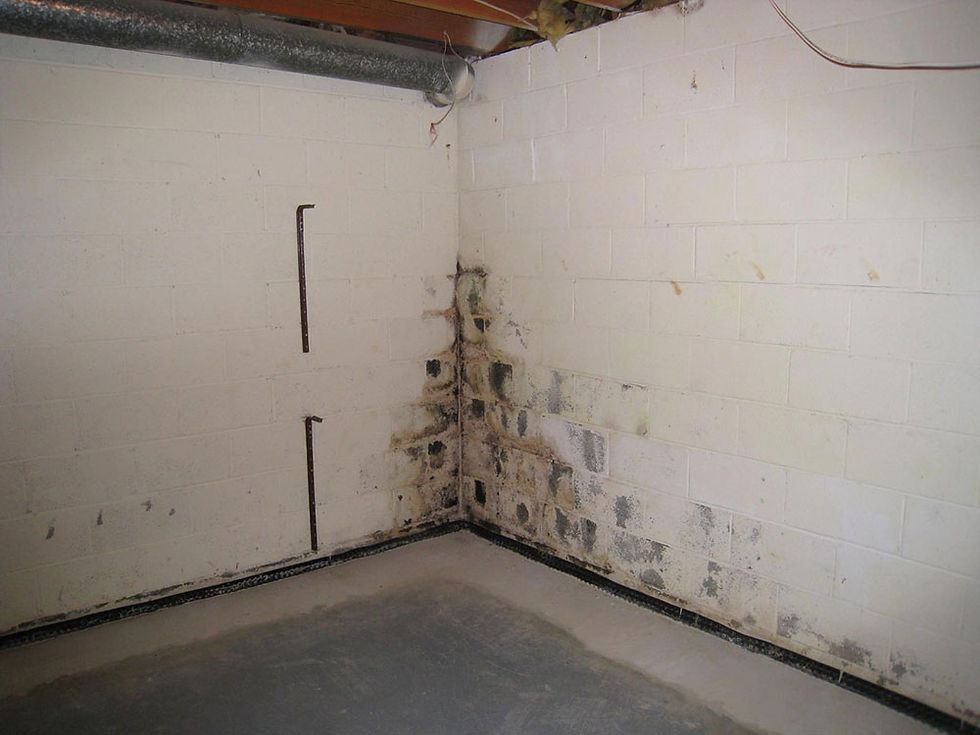
Water Seepage Through Cracks
Moisture increases pressure and damage.
New Cracks Appearing Nearby
Pressure is redistributing.
Bowing Basement Walls
Structural movement is active.
Doors and Windows Sticking
Foundation movement affects the structure above.
Musty Odors or High Humidity
Moisture is still present.
Why Ignoring Recurring Cracks Is Risky
Repeated cracking leads to more serious issues.
Structural Weakening
Repeated stress damages foundation materials.
Increased Water Intrusion
Cracks allow more moisture into the home.
Mold and Indoor Air Quality Problems
Moisture supports mold growth.
Higher Repair Costs
Early stabilization costs less than major reconstruction.
Reduced Home Value
Recurring foundation issues raise red flags during inspections.
Why DIY and Quick Fixes Fail
Temporary solutions do not stop movement.
Patching Without Drainage Control
Pressure remains outside the foundation.
Interior Repairs Only
Exterior water issues continue.
Waiting for Cracks to Get Worse
Damage progresses quietly.
How to Stop Foundation Cracks From Reappearing
Long-term solutions focus on cause, not appearance.
Control Water Around the Foundation
Water management is critical.
Improve Exterior Drainage
Extend downspouts away from the home
Keep gutters clean
Ensure soil slopes away from foundation walls
Reduce Soil Saturation
Limiting water absorption reduces pressure.
When moisture continues affecting foundation walls, basement waterproofing helps redirect groundwater and reduce stress on the foundation.
Stabilize the Foundation Structure
If cracks indicate movement, stabilization is required.
Address Wall Movement
Preventing further bowing stops cracks from reopening.
Reinforce Weak Areas
When walls or footings shift, structural repairs restore stability and prevent recurring damage.
Monitor and Maintain the Foundation
Ongoing observation helps prevent future issues.
Track Crack Changes
Monitor width and length over time.
Inspect After Storms
Heavy rain often triggers movement.
Address Small Issues Early
Minor adjustments prevent major damage.
Problem to Solution
Problem: Cracks reopen after sealing
Solution: Control water and soil pressure.
Problem: New cracks form nearby
Solution: Stabilize the foundation structure.
Problem: Cracks worsen after rain
Solution: Install basement waterproofing.
Problem: Walls bow inward
Solution: Complete structural repairs.
People Also Ask
Why do foundation cracks keep coming back?
Because the underlying pressure or movement was not fixed.
Can cracks be repaired permanently?
Yes, when the cause is addressed.
Are recurring cracks dangerous?
They can be if structural movement continues.
Is this common in Pennsylvania homes?
Yes, due to soil and climate conditions.
FAQ
Should I keep filling the cracks?
No. Repeated patching does not stop movement.
Do older homes crack more often?
Often, yes, due to aging materials and drainage.
Can landscaping changes help?
Yes. Proper grading reduces pressure.
When should I call a professional?
If cracks reappear or multiply.
Stop Foundation Cracks at the Source
Foundation cracks that keep reappearing are a clear sign that pressure, moisture, or structural movement is still affecting your home. Lasting repairs require more than surface fixes.
A Better Choice Inc. provides long-term solutions that stop recurring foundation cracks by addressing water pressure and structural stability. Call 1-800-343-2357 or fill out the online form to schedule a professional foundation evaluation. We proudly serve Pittsburgh, North Huntingdon, Irwin, and Westmoreland County.


Comments