
Basement Subfloor Options for Wet Basements in Western Pennsylvania

Key Takeaway
Choosing the right subfloor system for a wet basement starts with addressing the underlying moisture problem, not covering it up.
Subfloor panels with built-in air gaps allow moisture to escape beneath the surface, protecting your finished floor from damage.
Western Pennsylvania's heavy clay soils and freeze-thaw cycles make basement moisture a year-round concern that standard subfloors cannot survive.
A professional waterproofing assessment should always come before any basement finishing project to ensure your investment holds up long-term.

If you have ever pulled up a basement floor tile and found black mold, warped wood, or a damp concrete slab underneath, you already know the problem. Basement subfloor systems fail in wet basements because most homeowners install the floor first and address moisture second, or never at all. By the time the damage is visible, the cost of repairs has multiplied several times over.
That sequence gets reversed here. Before choosing any basement subfloor option, Western PA homeowners need an honest look at where moisture is actually coming from and how to stop it at the source. If you are dealing with a wet basement in North Huntingdon, PA, or a surrounding community, the right subfloor choice matters, but it is never a substitute for proper Basement Waterproofing. Getting the waterproofing right first is what makes every flooring decision downstream worth making.
What North Huntingdon, PA Homeowners Should Know About Wet Basements
Basement subfloor options for wet basements only perform as intended when installed over a dry or controlled moisture environment. In Western Pennsylvania, that environment is harder to achieve than in many other parts of the country. The region's heavy clay soils hold water against foundation walls long after a rainstorm passes, and that sustained pressure is a primary driver of basement seepage and bowing walls.
Seasonal freeze-thaw cycles compound the problem. When temperatures drop and rise repeatedly through a Pittsburgh-area winter, hairline cracks in foundation walls widen with each cycle. Water infiltrates those cracks, freezes, expands, and widens them further. Homeowners in Monroeville and Greensburg who dealt with small, hairline cracks a few years ago often find active leaks by the time they finally call for help. Understanding this cycle is essential before committing to any basement flooring system.
Subfloor Options That Can Handle a Damp Basement
Not every subfloor product is built for wet conditions. Standard plywood laid directly on concrete will absorb moisture, swell, and rot within a few seasons in a basement that has not been fully waterproofed. Here is what actually works in a below-grade environment:
Dimple mat systems create a drainage layer between the concrete slab and the subfloor, allowing any moisture that reaches the floor to drain away rather than saturate the material above.
Subfloor panels with molded plastic feet raise the walking surface slightly off the concrete and allow air to circulate underneath, which dramatically reduces moisture accumulation against the panel.
Engineered wood subfloor tiles combine a rigid wood composite top with a moisture-resistant plastic base and are far more stable than solid wood in environments with humidity fluctuation.
Rigid foam board insulation laid beneath a subfloor layer adds thermal value and acts as a vapor barrier when properly sealed at the seams.
Interlocking rubber or vinyl base panels work well in workshops or utility spaces where comfort matters less and moisture resistance matters most.
Why the Right Drainage System Changes Everything
Even the best moisture-resistant subfloor system will eventually fail if water is pooling on your slab after heavy rain. Choosing a subfloor that tolerates some dampness is a reasonable backup layer of protection, but it is not engineered to manage active water intrusion. For homeowners who have read our guide on Basement Flooding After Heavy Rain: Prevention Tips for Western PA, the connection between drainage and flooring performance is clear.
Interior Drainage and Sump Pump Systems
A properly installed interior drainage system channels water that enters through the foundation perimeter toward a sump pit before it ever reaches your floor. Sump pump installation is often the most cost-effective first step for Irwin and Murrysville homeowners who experience seasonal flooding but want to eventually finish their basement space. With water routed away consistently, even moisture-sensitive subfloor options become viable over time.
Vapor Barriers and Wall Sealing
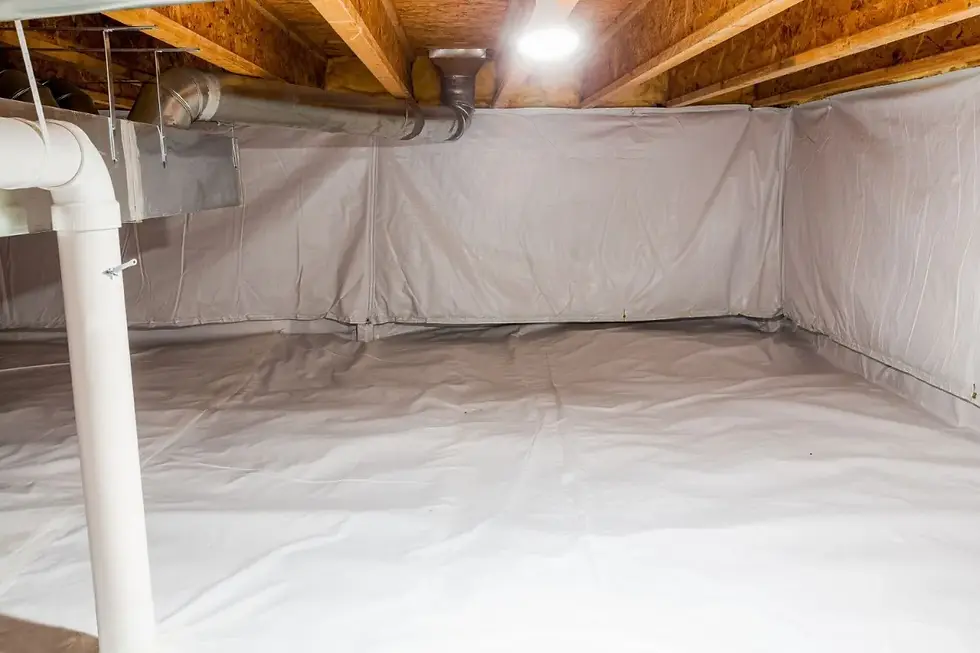
Water does not only come up through the slab. In Western PA basements, wall seepage is equally common, especially along the cove joint where the wall meets the floor. A continuous vapor barrier installed along the walls and under the subfloor system closes off this pathway. Without it, even a high-quality subfloor panel will absorb humidity from the walls and fail prematurely. Our team addresses these pathways as part of a complete Foundation Repair and waterproofing assessment.
Matching the Subfloor to Your Basement Goals
The right subfloor also depends on what you plan to do with the space. A finished living area with carpet or luxury vinyl plank needs a flat, stable, insulated base. A home gym or workshop tolerates more variation but still benefits from moisture control. Here is how the goals typically align:
Living spaces benefit most from dimple mat systems paired with insulated subfloor panels for comfort and thermal performance.
Utility and storage areas can often use simpler interlocking vinyl or rubber bases that are easy to remove and replace if flooding ever occurs.
Finished recreational rooms in communities like Trafford or Export benefit from engineered subfloor tiles that provide a solid feel underfoot while managing minor humidity fluctuation.
For more on basement finishing approaches and related waterproofing solutions, the resource library at Basement Subfloor Options for Wet Basements in Western Pennsylvania covers these topics in additional detail.
Cost, Timeline, and Practical Considerations
No two basements are the same, and costs vary considerably based on square footage, current moisture levels, the drainage improvements needed, and the subfloor system selected. A basement that requires full interior drainage installation before flooring begins will naturally involve more time and investment than one where waterproofing is already in place. We do not publish standard price ranges because accurate numbers require a site visit and a specific assessment of your situation.
What most Greensburg and Latrobe homeowners find is that addressing moisture before finishing saves significantly on repairs down the road. Installing a quality subfloor system over an untreated wet slab leads to mold remediation, flooring replacement, and sometimes structural repairs that cost far more than proactive waterproofing would have. The timeline for most combined waterproofing and subfloor projects ranges from a few days to about a week depending on scope, and most homes remain livable throughout the process.
People Also Ask
What is the best subfloor for a wet basement?
Subfloor panels with molded plastic feet or integrated dimple mat systems are generally the best options for wet basements because they prevent direct contact between the wood composite surface and the concrete slab. This air gap allows moisture to escape rather than saturate the material. These systems work best when paired with a professionally installed waterproofing solution that manages water at the source.
Do I need to waterproof my basement before installing a subfloor?
Yes, waterproofing before installing any subfloor system is strongly recommended, especially in Western Pennsylvania where clay soils and seasonal freeze-thaw cycles drive consistent moisture pressure against foundations. Installing flooring over an untreated wet slab leads to mold growth, material failure, and costly replacement. Addressing drainage and wall seepage first protects your entire flooring investment.
How long does a basement subfloor last in a damp environment?
A moisture-resistant subfloor system installed over a properly waterproofed slab can last for many years without significant deterioration. However, subfloor panels installed directly on a wet or untreated slab may show signs of mold or warping within one to three seasons. Regular inspection and a reliable sump pump system extend the life of any basement floor significantly.
Is it worth finishing a basement with a history of water problems?
Finishing a basement with a history of water intrusion is absolutely worth it once the underlying moisture issues have been professionally resolved. Leaving a wet basement unfinished costs you usable living space and allows moisture-related damage to spread to structural components over time. A proper waterproofing system followed by the right subfloor and finishing materials turns a liability into a valuable part of your home.
FAQ
Can I install a subfloor myself, or should I hire a professional?
Basic interlocking subfloor tiles are designed for DIY installation and can be laid without special tools. However, if your basement has active water intrusion, wall cracks, or a history of flooding, the waterproofing work that needs to come first should be handled by a professional. Installing flooring without resolving moisture issues will lead to failure regardless of how well the subfloor itself is installed.
How do I know if my basement has enough moisture to be a concern?
A simple plastic sheet test, taping a piece of plastic to the slab for 24 to 48 hours and checking for condensation underneath, can indicate whether moisture is wicking up through the concrete. Visible efflorescence, white mineral deposits on basement walls, musty odors, and damp spots after rain are all reliable indicators that professional evaluation is warranted before any flooring project begins.
What causes basement walls to crack and leak in Western Pennsylvania?
Western PA's clay-heavy soils absorb and hold water, creating significant lateral pressure against foundation walls. Seasonal temperature swings cause the soil and concrete to expand and contract repeatedly, widening existing cracks over time. These combined forces make foundation cracking a common problem throughout the region, from Pittsburgh suburbs to communities like Monroeville and Irwin.
Will a sump pump alone keep my basement dry enough for a finished floor?
A sump pump is a critical component of basement moisture management, but it addresses water that has already entered the structure. For a finished basement, sump pump installation works best as part of a broader system that includes interior drainage channels, vapor barriers, and sealed wall penetrations. That complete system is what creates the consistently dry environment that subfloor materials and finished flooring require.
Protect Your Basement From the Ground Up With A Better Choice, Inc.
Choosing the right subfloor for a wet basement is only a sound decision when it follows a proven plan for controlling moisture at the source. With nearly three decades of experience serving North Huntingdon, PA and communities throughout Western Pennsylvania, our team has helped hundreds of homeowners build dry, finished basements that hold up through every season. We understand the specific soil conditions, drainage challenges, and freeze-thaw pressures that make this region uniquely demanding, and we build our solutions around those realities.
If you are planning to finish your basement or you have noticed new cracks, seepage, or moisture buildup, now is the right time to get a professional assessment before any flooring work begins. Waiting through another wet season gives moisture more time to widen cracks, saturate your slab, and limit your options. Visit A Better Choice, Inc. or call 1-800-343-2357 today. Our team will walk you through exactly what your basement needs so you can make a confident, informed decision. Contact us for more information.



Comments