
How Can I Fix Damp Basement Corners Permanently?

AI Summary
Learn why damp basement corners are a common issue in Pittsburgh-area homes.
Understand how water intrusion, poor drainage, and rising groundwater cause moisture buildup.
Discover long-term solutions for keeping basement corners dry year-round.
See how basement waterproofing and structural repairs help fix recurring moisture problems permanently.

How Can I Fix Damp Basement Corners Permanently?
Many homeowners in Pittsburgh, North Huntingdon, Irwin, and across Westmoreland County deal with damp basement corners every time it rains or during certain seasons. You might notice moisture gathering where two walls meet, wet patches forming on the floor, or musty smells coming from the corner after storms. Damp corners can seem like a minor inconvenience, but they often signal underlying moisture problems that can lead to mold, structural issues, and long-term damage to your home.
Damp basement corners are especially common in Western Pennsylvania because the region has clay-heavy soil, frequent storms, freeze-thaw cycles, and high groundwater levels in spring. When moisture collects in the corners of a basement, it usually means water is entering through weak points in the foundation, drainage issues are present, or hydrostatic pressure is pushing moisture through the walls and floor.
This guide explains why damp basement corners develop, what warning signs to watch for, and how homeowners can fix the issue permanently.
Why Basement Corners Are Prone to Moisture
The corners of a basement are the areas where two walls meet the floor slab. These three surfaces create seams and joints that naturally become weak points over time. When pressure or moisture increases, water finds these gaps quickly.
Here are the most common reasons basement corners become damp.
1. Hydrostatic Pressure Pushing Water Indoors
When the soil around a home becomes saturated from rain, snowmelt, or high groundwater, pressure builds around the foundation. This pressure forces water through cracks at the edges of the walls or floor.
Basement corners are the first places where this happens because:
They have multiple joints
The concrete is slightly more vulnerable
Soil pressure concentrates at these points
Homes in zip codes like 15642, 15221, and 15644 experience this frequently due to clay-heavy soil.
2. Cracks in the Foundation
Even small cracks allow water to seep into the basement corners. Cracks form due to:
Freeze-thaw cycles
Soil shifting
Aging concrete
Structural movement
Long-term moisture exposure
Once water begins entering through a crack, the surrounding concrete weakens and absorbs even more moisture.
3. Poor Exterior Drainage
If water pools around the home or drains toward the basement walls, moisture naturally collects at the corners. Poor drainage includes:
Short downspouts
Overflowing gutters
Improper yard grading
Clogged exterior drains
When exterior drainage is poor, basement corners are the first areas to show dampness.
4. Floor-Wall Joint Leaks
The seam where the basement floor meets the wall, called the cove joint, is a common source of leaks. Water rises through the joint during storms when groundwater builds up below the house.
Cove joint leaks are a sign of rising groundwater levels, especially during spring.
5. Window Well Drainage Problems
If basement window wells fill with water, moisture can flow down to the basement corners inside. Window wells often overflow during heavy rain or when debris blocks their drains.
6. Seasonal Moisture Cycles
Spring and fall in Pittsburgh bring heavy rainfall and high humidity. During these months, basements often experience:
Condensation
Rising groundwater
Soil saturation
Damp wall surfaces
Corners usually become damp first because they accumulate more cold-air condensation.
7. Aging Foundations
Older homes in Western Pennsylvania often have block walls or unreinforced concrete foundations. As these materials age, they become more porous and more likely to let moisture inside.
Signs Damp Basement Corners Are a Serious Issue
Dampness in the basement corners is rarely harmless. It is almost always a sign of a larger issue. Homeowners should look for:
Discoloration on Walls or Floors
Brown, yellow, or dark stains indicate long-term moisture intrusion.
Efflorescence
White, powdery material on walls is a clear sign of water movement inside the concrete.
Musty or Moldy Smells
Corners with moisture are ideal environments for mold to grow and release odors.
Cracks Near Corners
Cracks at or near the corner often widen after storms or freeze-thaw cycles.
Mold or Mildew Growth
Black, white, or green patches indicate persistent moisture.
Puddling After Rain
Water accumulating in corners means pressure is forcing moisture into the home.
Why Damp Basement Corners Should Not Be Ignored
Even minor dampness can cause long-term problems.
Mold Growth
Mold develops quickly in damp areas and spreads throughout the basement.
Structural Weakening
Moisture weakens mortar joints, widens cracks, and contributes to wall movement.
Increased Humidity
Moisture in corners raises humidity in the basement, affecting air quality and promoting condensation.
Foundation Damage
Persistent water pressure can cause bowing, cracking, or settling of the foundation walls.
How to Fix Damp Basement Corners Permanently
Fixing damp corners permanently requires identifying and eliminating the source of moisture. Surface cleaning or temporary fixes will only delay the problem. Here are the most effective long-term solutions.
1. Improve Exterior Drainage
Many damp corner issues begin outside. Improving drainage helps reduce pressure on the foundation.
Steps include:
Extending downspouts at least six feet
Cleaning gutters regularly
Regrading the yard to slope away from the home
Clearing debris from exterior drains
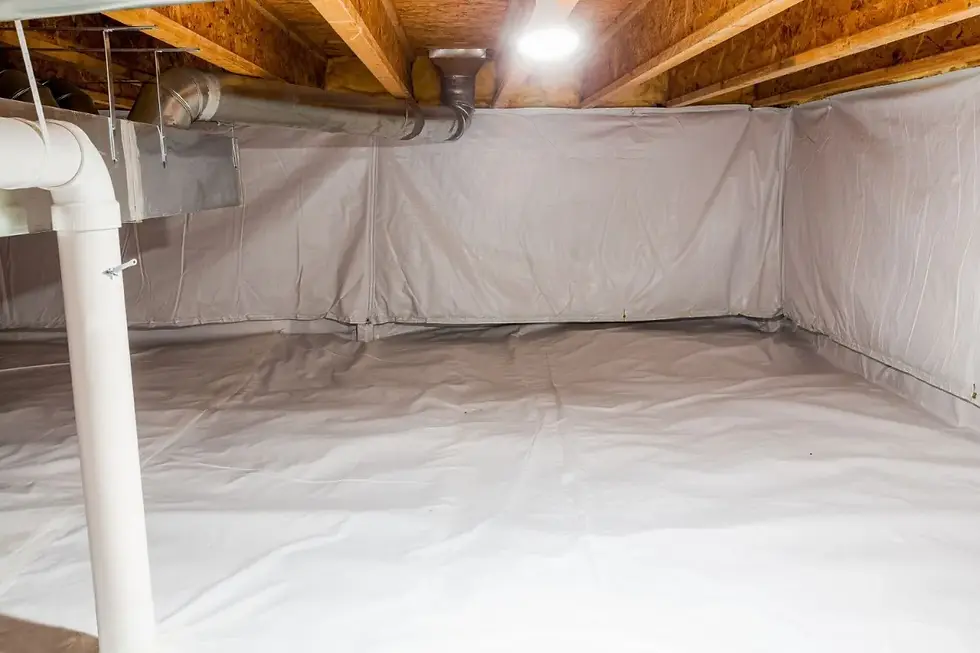
2. Install Proper Basement Waterproofing
If water is entering through cracks, cove joints, or wall pores, basement waterproofing helps prevent moisture from reaching the interior. This is one of the most effective long-term solutions for damp corners.
3. Seal Foundation Cracks
Cracks near the corner should be professionally sealed. This prevents water from entering and prevents structural weakening.
4. Add Interior Drainage Channels
Interior drainage systems collect groundwater that rises under the slab and direct it to a sump pump. This prevents floor-wall joint leaks and corner pooling.
5. Upgrade Sump Pump Systems
If rising groundwater causes dampness, a properly sized, well-maintained sump pump helps move water away from the foundation.
6. Correct Yard Grading
Regrading the yard ensures water flows away from the home instead of toward the corners of the basement.
7. Schedule a Foundation Inspection
If cracks, leaning walls, or shifting floors are visible, structural repairs may be needed to stabilize the foundation and prevent future moisture issues.
Problem to Solution: Helping Homeowners Act Early
Problem: Water enters the basement corners during storms
Solution: Install drainage improvements and basement waterproofing.
Problem: Corners show widening cracks
Solution: Schedule structural repairs to prevent movement.
Problem: Rising groundwater causes seepage
Solution: Add a sump pump or interior drainage system.
Problem: Condensation forms in humid seasons
Solution: Improve ventilation and reduce humidity levels.
People Also Ask
Why are basement corners always damp first?
Corners contain multiple seams, making them more vulnerable to moisture.
Will sealing cracks fix damp corners?
It helps, but drainage and waterproofing are often needed.
Can damp corners cause mold?
Yes. Mold thrives in the humid, stagnant air around damp corners.
Is waterproofing expensive?
Costs vary, but permanent solutions prevent long-term damage.
FAQ Section
Should I be worried about damp basement corners?
Yes. Damp corners usually indicate ongoing water intrusion.
Does a dehumidifier solve corner leaks?
It helps with humidity but does not stop water intrusion.
Can poor grading cause damp corners?
Absolutely. Poor grading directs water toward the foundation.
When should I call a professional?
If dampness appears repeatedly after storms or worsens over time.
Protect Your Basement from Persistent Moisture
Damp basement corners are a sign that water is entering your home or groundwater is rising beneath it. Whether the issue comes from poor drainage, cracks, or soil pressure, A Better Choice Inc. has the expertise to solve the problem permanently.
Call 1-800-343-2357 or fill out the online form to schedule your inspection. A Better Choice Inc. proudly serves Pittsburgh, North Huntingdon, Irwin, and Westmoreland County with trusted waterproofing and foundation repair services.



Comments