
How Can I Improve Drainage Around My Pittsburgh Home?

AI Summary
Poor drainage is one of the leading causes of basement and foundation problems in Pittsburgh homes.
Clay soil and heavy rainfall make water management especially important.
Small drainage improvements can prevent major structural damage.
Long-term solutions focus on redirecting water away from the foundation.

Proper drainage is one of the most important factors in protecting a home’s foundation and basement. In Pittsburgh, North Huntingdon, Irwin, and across Westmoreland County, heavy rainfall, rolling terrain, and clay-heavy soil make drainage problems especially common. When water is allowed to collect around a home, it increases pressure on foundation walls and raises the risk of leaks, cracks, and flooding.
Many homeowners focus on interior fixes after water problems appear, but the real solution often starts outside. Improving drainage around your home helps prevent water from reaching the foundation in the first place. Understanding how water moves across your property and where it collects allows you to make targeted improvements that provide long-term protection.
This guide explains why drainage matters, common drainage problems in Pittsburgh homes, and practical steps homeowners can take to improve water flow around their property.
Why Drainage Is So Important for Pittsburgh Homes
Drainage directly affects foundation health.
Heavy Rainfall Patterns
Western Pennsylvania experiences frequent and sometimes intense rainstorms that overwhelm poor drainage systems.
Clay Heavy Soil Conditions
Clay soil, common in zip clusters like 15642, 15137, and 15644, absorbs water slowly and holds it against foundation walls.
Hilly Terrain
Sloped lots can direct runoff toward homes if the grading is not correct.
Freeze Thaw Cycles
Water trapped near foundations freezes and expands, increasing structural stress.
Common Signs of Poor Drainage Around a Home
Drainage problems often reveal themselves through warning signs.
Puddles Near the Foundation
Standing water near foundation walls indicates runoff issues.
Basement Leaks or Seepage
Water entering after rain suggests exterior drainage problems.
Erosion in the Yard
Washed-out soil points to uncontrolled water flow.
Muddy or Soft Ground Near the Home
Soil that stays wet signals poor water movement.
Cracks in Foundation Walls
Water pressure increases the cracking risk.
Musty Basement Odors
Moisture from poor drainage raises indoor humidity.
How Water Moves Around Your Home
Understanding water flow helps target improvements.
Roof Runoff
Rainwater from the roof should be directed well away from the home.
Surface Water
Water flowing across the yard follows the path of least resistance.
Subsurface Water
Groundwater moves through soil toward foundation walls.
When these water sources converge near the foundation, problems develop.
Key Ways to Improve Drainage Around Your Home
Effective drainage improvements focus on redirecting water.
Extend Downspouts Away From the Foundation
Roof runoff is one of the largest water sources.
Why Downspout Placement Matters
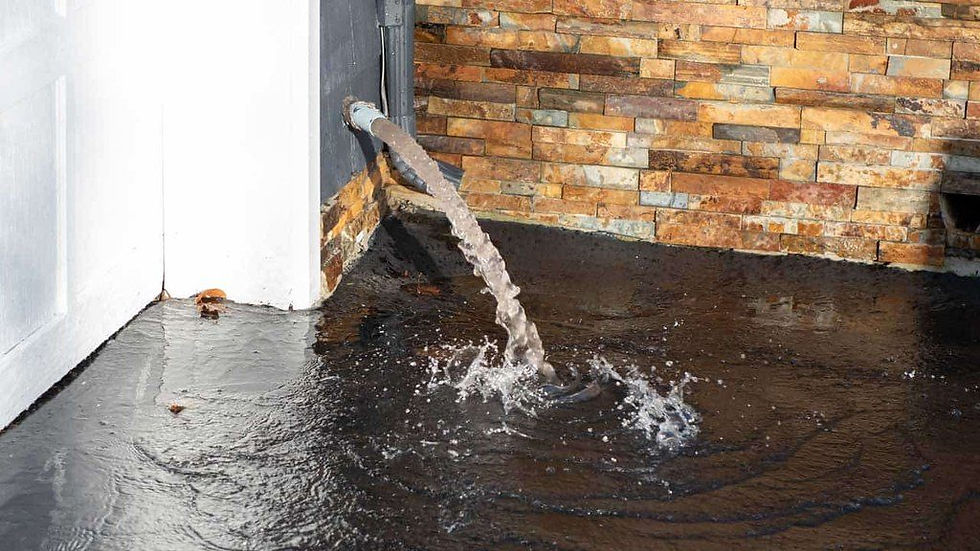
Short downspouts dump large volumes of water directly next to the foundation.
Best Practices
Extend downspouts several feet away from the home
Ensure extensions slope downhill
Keep discharge areas clear
Keep Gutters Clean and Functional
Gutters control the roof's water flow.
Clogged Gutters Cause Overflow
Overflowing gutters dump water near the foundation walls.
Seasonal Maintenance Is Critical
Clean gutters at least twice per year and after storms.
Check for Proper Pitch
Gutters should slope toward downspouts.
Improve Yard Grading
Grading controls surface water flow.
Soil Should Slope Away From the Home
A gentle slope directs water away from foundation walls.
Low Spots Collect Water
Fill depressions that trap runoff near the home.
Avoid Soil Contact With Siding
Maintain clearance to prevent moisture damage.
Manage Surface Water Flow
Redirecting runoff protects the foundation.
Install Swales or Shallow Channels
Swales guide water away from vulnerable areas.
Use Landscaping Strategically
Plants and mulch help absorb and slow runoff.
Avoid Overwatering Near the Foundation
Excess irrigation adds unnecessary moisture.
Address Window Well Drainage
Window wells are a common problem area.
Ensure Proper Drain Installation
Window well drains should connect to foundation drainage or dry wells.
Keep Window Wells Clear
Remove debris regularly.
Install Window Well Covers
Covers reduce water and debris buildup.
Improve Driveway and Walkway Drainage
Hard surfaces affect water flow.
Redirect Runoff Away From the Home
Ensure concrete slopes away from the foundation.
Seal Cracks in Pavement
Cracks allow water to seep toward the foundation.
Install Drain Channels if Needed
Channel drains capture runoff before it reaches the home.
When Exterior Drainage Is Not Enough
Some homes need additional protection.
High Groundwater Levels
Water pressure from below may still affect the foundation.
Persistent Basement Moisture
Ongoing seepage indicates subsurface water issues.
In these cases, basement waterproofing systems help manage groundwater and relieve pressure beneath the home.
Why Improving Drainage Prevents Structural Damage
Good drainage protects more than just the basement.
Reduces Foundation Pressure
Less water means less stress on walls and footings.
Limits Crack Formation
Lower pressure reduces cracking risk.
Prevents Mold and Moisture Issues
Dry foundations keep indoor humidity lower.
Protects Structural Supports
Moisture damages wood and metal supports over time.
Preserves Home Value
Proper drainage reduces inspection concerns.
Why Temporary Fixes Often Fail
Quick solutions rarely provide lasting protection.
Surface Patching Without Drainage Control
Cracks return if water pressure remains.
Ignoring Subsurface Water
Groundwater continues pushing upward.
One Area Fixes Do Not Solve Whole Property Issues
Drainage must be addressed holistically.
Problem to Solution
Problem: Water pools near the foundation
Solution: Improve grading and extend downspouts.
Problem: Basement leaks after rain
Solution: Redirect surface water and install basement waterproofing if needed.
Problem: Yard erosion occurs
Solution: Control runoff paths with grading and swales.
Problem: Window wells fill with water
Solution: Improve drainage and install covers.
People Also Ask
How far should downspouts extend?
At least several feet away from the foundation.
Does yard grading really help?
Yes. Proper grading is one of the most effective solutions.
Can drainage improvements stop basement leaks?
Often yes, especially when combined with waterproofing.
Is poor drainage common in Pittsburgh?
Yes, due to soil and rainfall patterns.
FAQ
Should I fix drainage before waterproofing?
Yes. Exterior drainage improvements are always the first step.
Can landscaping improve drainage?
Yes. Proper plants and grading help manage water.
Are French drains always necessary?
Not always. Many homes improve with simpler solutions.
When should I call a professional?
If drainage issues persist or basement water continues.
Protect Your Home With Better Drainage
Improving drainage around your Pittsburgh home is one of the most effective ways to prevent foundation damage, basement leaks, and long-term moisture problems. Small changes can make a big difference when water is properly redirected away from your home.
A Better Choice Inc. provides long-term solutions that protect foundations through proper drainage and moisture control. Call 1-800-343-2357 or fill out the online form to schedule a professional drainage and foundation evaluation. We proudly serve Pittsburgh, North Huntingdon, Irwin, and Westmoreland County.



Comments