
Sump Pump Installation: What Homeowners in Irwin and Greensburg Need to Know

AI Summary
Professional sump pump installation in Irwin and Greensburg requires proper sizing, placement, and backup systems to protect homes from flooding.
Submersible pumps work better in finished basements while pedestal pumps offer easier maintenance access for homeowners.
Installation costs typically range from $1,200 to $3,500 depending on pump type, pit preparation, and electrical requirements.
Regular testing and maintenance every six months ensures your sump pump system functions when heavy rains hit Western Pennsylvania.

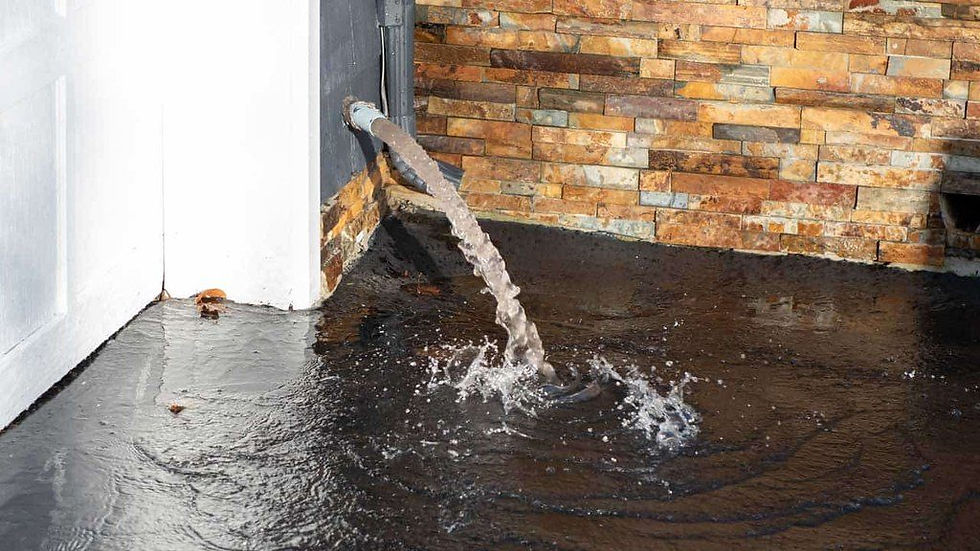
Heavy spring rains in Western Pennsylvania can dump over four inches of water in just a few hours, turning your peaceful basement into a flooded nightmare. If you live in Irwin or Greensburg, you have likely experienced that sinking feeling when you discover water creeping across your basement floor during a storm.
The good news is that a properly installed sump pump system can protect your home from costly water damage and give you peace of mind during severe weather. However, choosing the wrong pump or cutting corners on installation can leave your North Huntingdon area home vulnerable when you need protection most, which is why professional Basement Waterproofing services make all the difference.
Why Sump Pump Installation Matters for Western Pennsylvania Homeowners
Sump pump installation in Irwin and Greensburg becomes critical when you consider the unique challenges our region faces. The rolling hills and clay-heavy soil common throughout Westmoreland County can cause water to pool around foundation walls, creating hydrostatic pressure that forces moisture through even small cracks.
Local building codes and insurance requirements also play a role in sump pump decisions. Many insurance companies now require proof of basement water protection for full coverage, and newer homes in flood-prone areas must meet specific drainage standards that typically include sump pump systems.
Essential Components of Professional Sump Pump Installation
Proper sump pump installation involves much more than simply dropping a pump into a hole and plugging it in. Professional installation ensures every component works together to create a reliable water management system.
A properly sized sump pit that collects water from foundation drains and prevents pump cycling
Discharge piping that carries water at least ten feet away from your foundation
A check valve that prevents pumped water from flowing back into the pit
GFCI electrical connections that meet local codes and safety standards
Backup power options for continued protection during electrical outages
Choosing the Right Sump Pump Type for Your Home
The two main types of sump pumps serve different needs depending on your basement setup and water management requirements. Submersible pumps sit inside the sump pit and operate quietly underwater, making them ideal for finished basements where noise could be an issue.
Pedestal pumps mount above the pit with only the intake pipe submerged, which makes maintenance and repairs much easier to perform. These units typically last longer because the motor stays dry, but they generate more noise during operation.
Submersible Pump Benefits
Submersible units excel in homes where basement space is at a premium or where the sump pit location might interfere with daily activities. The sealed motor design prevents debris from clogging internal components, and the underwater operation keeps noise levels minimal during cycling.
Most submersible pumps also handle solids better than pedestal models, which means less maintenance if your drainage system occasionally carries small debris into the pit.
Pedestal Pump Advantages
Pedestal pumps offer superior longevity and easier troubleshooting since all mechanical components remain accessible above the pit. The elevated motor design typically provides stronger pumping capacity, which benefits homes with high water tables or frequent flooding concerns.
These units cost less initially and replacement parts are more readily available, making them a practical choice for budget-conscious homeowners who do not mind occasional noise during operation.
Professional Installation Process and Site Preparation
Professional sump pump installation begins with proper pit excavation and drainage assessment to ensure your system handles expected water volumes. The pit must be deep enough to prevent frequent cycling while allowing adequate water collection from foundation drains and natural groundwater flow.
Electrical work requires a dedicated GFCI circuit to meet safety codes, and discharge pipe installation must account for proper slope and freeze protection during winter months. Many homeowners underestimate the complexity involved in connecting existing drainage systems, which is where experience with Foundation Repair and waterproofing projects becomes valuable.
Cost Factors and Installation Timeline
Sump pump installation costs vary based on several factors including pump type, electrical requirements, and site preparation needs. Basic pedestal pump installation typically starts around $1,200, while submersible systems with backup features can reach $3,500 or more.
Most professional installations take one to two days depending on pit excavation requirements and electrical work complexity. Homes needing new drainage connections or extensive basement preparation may require additional time, but experienced contractors can provide accurate timelines after site assessment.
People Also Ask
How much does sump pump installation cost in Irwin and Greensburg?
Professional sump pump installation typically costs between $1,200 and $3,500 depending on pump type and site requirements. Basic pedestal pumps cost less initially, while submersible systems with battery backup features require higher investment but provide better long-term protection.
What size sump pump do I need for my basement?
Most residential basements need pumps rated between 1/3 and 3/4 horsepower depending on water volume and vertical lift requirements. Professional assessment considers your lot drainage, basement size, and local rainfall patterns to determine proper pump capacity for reliable protection.
How long does sump pump installation take?
Professional sump pump installation typically takes one to two days for most homes. Simple replacements in existing pits can be completed in a few hours, while new installations requiring pit excavation and electrical work need more time for proper completion.
Do I need a backup sump pump system?
Backup systems provide critical protection during power outages when storms are most likely to cause flooding. Battery backup pumps or water-powered systems ensure continued protection when your primary pump cannot operate due to electrical issues.
FAQ
Should I install a sump pump myself or hire professionals?
Professional installation ensures proper electrical connections, adequate pit sizing, and code compliance that protects your insurance coverage. DIY installations often have sizing errors, electrical safety issues, or drainage problems that can cause system failure when protection is most needed.
How often should I test my sump pump after installation?
Test your sump pump every three to six months by pouring water into the pit until the float switch activates. Regular testing identifies potential problems before heavy rains arrive, and annual professional maintenance keeps all components functioning properly.
What happens if my sump pump fails during a storm?
Sump pump failure during heavy rain can cause significant basement flooding and property damage within hours. This is why backup systems and regular maintenance are essential, and why many homeowners choose professional monitoring services for added peace of mind.
Can I connect my sump pump to my septic system?
Never connect sump pumps to septic systems as the excess water can overwhelm your drain field and cause system failure. Discharge water must flow to approved drainage areas at least ten feet from your foundation, following local municipal requirements.
Trust A Better Choice, Inc. for Professional Sump Pump Installation
When basement flooding threatens your North Huntingdon area home, you need a sump pump system installed correctly the first time. Our experienced team understands the unique drainage challenges Western Pennsylvania homeowners face, from clay soil conditions to severe weather patterns that can overwhelm inadequate systems.
With years of experience serving Irwin, Greensburg, and surrounding communities, we know which pump types work best for different foundation styles and water management needs. Do not wait until the next heavy rain puts your home at risk when professional installation can provide the protection you need. Understanding The Process of Basement Waterproofing: What to Expect can help you see how sump pumps fit into comprehensive moisture protection, just as learning about Wall Anchors vs. Fortress Stabilization Straps: Which is Best for Your Foundation? helps you understand structural protection options.
Visit A Better Choice, Inc. or call 724-863-9696 today. Our professional installation services protect your home investment with reliable sump pump systems designed for Western Pennsylvania weather. Contact us for more information.



Comments