
How Can I Stop Mold From Growing on Concrete Walls?

AI Summary
Mold grows on concrete walls when moisture and poor airflow are present.
Pennsylvania basements are especially prone due to humidity and soil conditions.
Cleaning mold alone does not stop regrowth if moisture remains.
Long-term solutions focus on moisture control, airflow, and drainage.
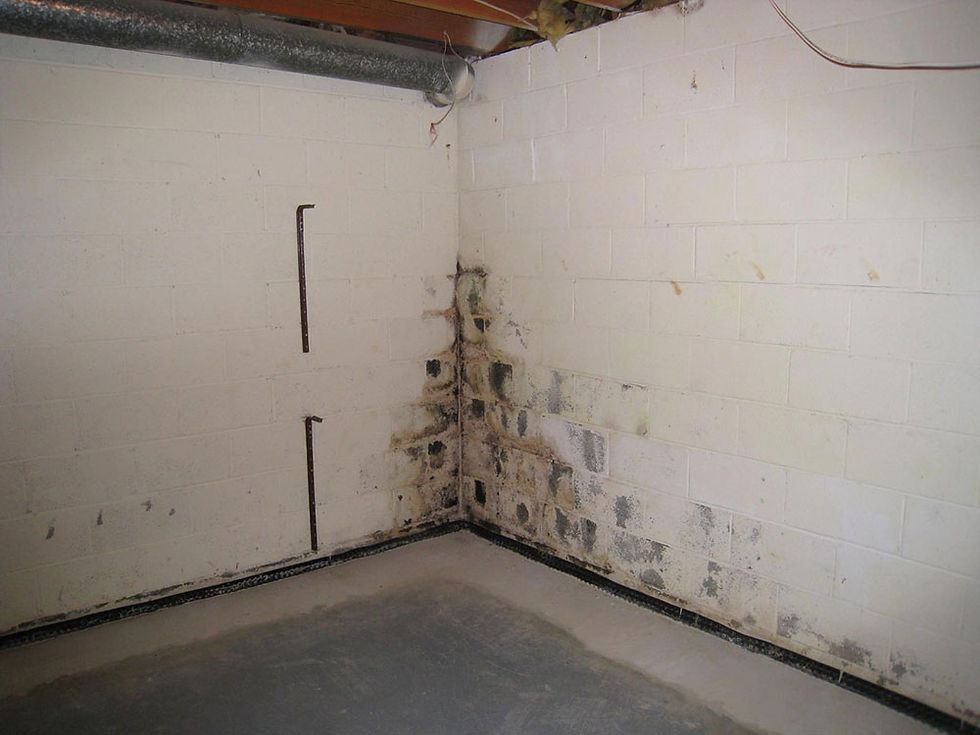
Mold growth on concrete basement walls is a common concern for homeowners in Pittsburgh, North Huntingdon, Irwin, and across Westmoreland County. Concrete may seem solid and resistant, but it is porous and can hold moisture beneath the surface. When moisture combines with limited airflow, mold can grow and spread quickly.
Many homeowners repeatedly clean visible mold only to see it return weeks or months later. This happens because mold growth on concrete is almost always a symptom of an underlying moisture problem rather than a surface issue. Understanding why mold grows on concrete walls and how to stop it permanently helps protect both the home and indoor air quality.
This guide explains what causes mold on concrete walls, why it keeps coming back, and how to stop it safely and effectively.
Why Mold Grows on Concrete Walls
Mold needs three things to grow: moisture, organic material, and time.
Concrete Holds Moisture
Concrete absorbs moisture from the surrounding soil and indoor air. Even when walls appear dry, moisture can exist beneath the surface.
Organic Material on Concrete Surfaces
Dust, dirt, and residue provide enough organic material for mold to feed on.
Limited Airflow in Basements
Basements often have stagnant air that allows moisture to linger on wall surfaces.
Cool Temperatures
Cool concrete walls encourage condensation when warmer air enters the basement.
Common Sources of Moisture Behind Mold Growth
Identifying moisture sources is critical to stopping mold.
Groundwater Pressure Through Foundation Walls
Groundwater pressure pushes moisture through porous concrete.
Clay Heavy Soil in Western Pennsylvania
Clay soil common in zip clusters like 15642, 15137, and 15644 retains water and keeps foundation walls damp for long periods.
Moisture Migration Through Walls
Water does not need to appear as liquid to cause mold. Moisture vapor is enough.
Condensation on Cool Concrete Walls
Condensation is a frequent cause of mold.
Warm Humid Air Meets Cool Walls
Humidity in the air condenses on cooler concrete surfaces.
Seasonal Humidity Spikes
Summer and spring humidity increase the condensation risk.
Poor Air Circulation
Without airflow, moisture stays trapped on walls.
Minor Water Intrusion
Small leaks contribute to ongoing dampness.
Hairline Foundation Cracks
Cracks allow moisture to seep into walls slowly.
Wall Floor Joint Seepage
The seam where walls meet the floor is a common moisture entry point.
Poor Exterior Drainage
Water pooling near the foundation increases moisture pressure.
Why Cleaning Mold Alone Does Not Work
Surface cleaning treats symptoms, not causes.
Mold Roots Remain in Concrete
Even when visible mold is removed, spores and roots remain if moisture persists.
Moisture Continues Feeding Growth
Without moisture control, mold returns quickly.
Bleach Is Often Ineffective
Bleach may discolor mold, but it does not penetrate concrete deeply.
Warning Signs: Mold Problems Are Worsening
Mold growth often spreads if untreated.
Musty or Earthy Odors
Persistent odors signal hidden mold.
Dark or Fuzzy Wall Growth
Visible mold colonies may appear in patches.
Discoloration or Staining
Concrete may darken where moisture remains.
Mold Returning After Cleaning
Repeated regrowth indicates an unresolved moisture source.
Increased Humidity Levels
Humidity above 60 percent supports mold growth.
Health and Home Risks of Mold on Concrete Walls
Mold affects more than just appearance.
Poor Indoor Air Quality
Spores circulate through the home.
Allergies and Respiratory Symptoms
Mold exposure can trigger symptoms in sensitive individuals.
Damage to Basement Finishes
Drywall and insulation near mold become contaminated.
Structural Material Deterioration
Moisture weakens framing and supports over time.
Reduced Home Value
Mold concerns raise red flags during inspections.
How to Stop Mold Growth on Concrete Walls Long Term
Permanent solutions focus on moisture and airflow control.
Control Moisture at the Foundation
Stopping moisture entry is essential.
Improve Exterior Drainage
Extend downspouts away from the home
Keep gutters clean
Ensure soil slopes away from foundation walls
Manage Groundwater Pressure
When moisture consistently enters through walls, basement waterproofing systems help redirect groundwater and keep walls dry.
Improve Basement Airflow
Air movement prevents condensation and moisture buildup.
Homes with persistent mold issues often benefit from home ventilation systems designed to balance airflow and reduce humidity levels.
Avoid Trapping Moist Air
Keep storage and furniture away from the basement walls.
Improve Circulation
Fans and duct adjustments help move air.
Reduce Indoor Humidity
Lower humidity limits mold growth.
Use Dehumidifiers Correctly
Dehumidifiers work best after moisture entry is controlled.
Monitor Humidity Levels
Aim to keep humidity below 50 percent.
Seal Moisture Entry Points
Sealing reduces additional moisture sources.
Seal Cracks and Gaps
Crack sealing limits moisture intrusion.
Maintain Window Wells
Ensure proper drainage around basement windows.
Address Structural Moisture Issues
If cracks widen or walls show movement, structural repairs may be needed to prevent worsening moisture problems.
Problem to Solution
Problem: Mold keeps returning after cleaning
Solution: Control moisture and improve airflow.
Problem: Mold grows in the same wall areas
Solution: Install basement waterproofing to stop moisture entry.
Problem: Condensation forms daily
Solution: Improve ventilation and reduce humidity.
Problem: Musty odors persist
Solution: Eliminate moisture sources and increase air circulation.
People Also Ask
Can mold grow on concrete?
Yes. Concrete absorbs moisture and supports mold growth.
Does mold mean my basement is leaking?
Not always, but moisture is present.
Will paint stop mold growth?
Paint alone does not stop moisture.
Is mold common in Pennsylvania basements?
Yes, due to humidity and soil conditions.
FAQ
Should I clean the mold myself?
Small areas can be cleaned, but moisture must be addressed.
Can mold grow behind finished walls?
Yes. Mold often spreads unseen.
Are dehumidifiers enough to stop mold?
They help, but do not stop water intrusion.
When should I call a professional?
If mold returns or spreads despite cleaning.
Stop Mold Growth at the Source
Mold on concrete walls is a sign that moisture is present and needs to be addressed. Cleaning alone is not enough. Long-term mold prevention requires controlling moisture, improving airflow, and protecting the foundation.
A Better Choice Inc. provides long-term solutions that stop mold at the source and protect basements from moisture-related damage. Call 1-800-343-2357 or fill out the online form to schedule a professional basement evaluation. We proudly serve Pittsburgh, North Huntingdon, Irwin, and Westmoreland County.



Comments