
How Do I Protect My Foundation During Heavy Storms?

AI Summary
Heavy storms place intense pressure on foundations through water buildup and soil movement.
Western Pennsylvania soil conditions increase storm-related foundation risks.
Early preparation reduces cracking, leaks, and long-term structural damage.
Long-term protection focuses on drainage, moisture control, and foundation stability.

Heavy storms are a major concern for homeowners throughout Pittsburgh, North Huntingdon, Irwin, and Westmoreland County. Intense rainfall, saturated soil, and rapid water movement place enormous stress on foundations. While storms are unavoidable, foundation damage does not have to be.
Many foundation problems that appear after storms are the result of water being allowed to collect around the home over time. When soil becomes oversaturated, pressure builds against foundation walls and beneath basement floors. Understanding how storms affect foundations and what steps reduce risk can help homeowners protect their property before damage occurs.
This guide explains how heavy storms impact foundations and what homeowners can do to safeguard their homes.
How Heavy Storms Affect Foundations
Storms introduce large volumes of water in a short period of time.
Rapid Soil Saturation
When rain falls faster than soil can absorb and drain it, water saturates the ground around the foundation.
Increased Hydrostatic Pressure
As soil fills with water, groundwater pressure pushes inward against foundation walls and upward beneath basement floors.
Soil Expansion and Movement
Clay-heavy soil common in zip clusters like 15642, 15137, and 15644 expands when wet. This movement stresses foundation walls and footings.
Water Seeking Weak Points
Water naturally moves toward cracks, joints, and porous areas in the foundation.
Why Western Pennsylvania Foundations Are More Vulnerable
Local conditions amplify storm damage risks.
Clay Heavy Soil
Clay retains water longer than other soil types, keeping pressure high even after storms end.
Frequent Heavy Rainfall
Storms often occur back-to-back, preventing soil from drying out.
Freeze Thaw Cycles
Cracks formed in winter allow more water to enter during spring and summer storms.
Older Construction
Many homes were built without modern drainage or waterproofing systems.
Early Signs Storms Are Affecting Your Foundation
Foundations often show warning signs after heavy rain.
New or Widening Cracks
Cracks that appear or grow after storms indicate pressure changes.
Water Seepage in the Basement
Moisture entering after rain suggests drainage or pressure issues.
Puddles Near Foundation Walls
Standing water around the home signals poor runoff control.
Bowing or Leaning Basement Walls
Soil pressure can push walls inward.
Sticking Doors and Windows
Structural movement affects alignment.
Musty Odors or Increased Humidity
Moisture buildup often follows storm events.
Why Protecting the Foundation Matters
Ignoring storm-related risks can lead to serious consequences.
Structural Damage
Repeated pressure weakens foundation materials.
Increased Water Intrusion
Cracks allow water to enter more easily during future storms.
Mold Growth
Moisture supports mold and poor air quality.
Higher Repair Costs
Preventive measures cost far less than structural repairs.
Reduced Property Value
Foundation issues raise concerns during inspections.
How to Protect Your Foundation During Heavy Storms
Effective protection focuses on water control and pressure reduction.
Improve Exterior Drainage
Managing water outside the home is the first line of defense.
Extend Downspouts Away From the Home
Downspouts should discharge water several feet away from the foundation.
Keep Gutters Clean
Clear gutters allow roof runoff to flow properly during storms.
Maintain Proper Yard Grading
Soil should slope away from foundation walls to prevent pooling.
Clear Exterior Drains
Ensure drains and swales are not blocked by debris.
Seal and Maintain Foundation Entry Points
Stopping water before it enters reduces damage.
Seal Visible Cracks
Crack sealing helps prevent water intrusion.
Check Utility Penetrations
Seal gaps around pipes and cables.
Maintain Window Wells
Ensure basement window wells drain properly.
Manage Groundwater Pressure
Storms often raise groundwater levels significantly.
Monitor Sump Pump Performance
Test pumps before storm season begins.
Install Backup Power
Battery backups protect against outages during storms.
Ensure Discharge Lines Are Clear
Blocked lines force water back toward the foundation.
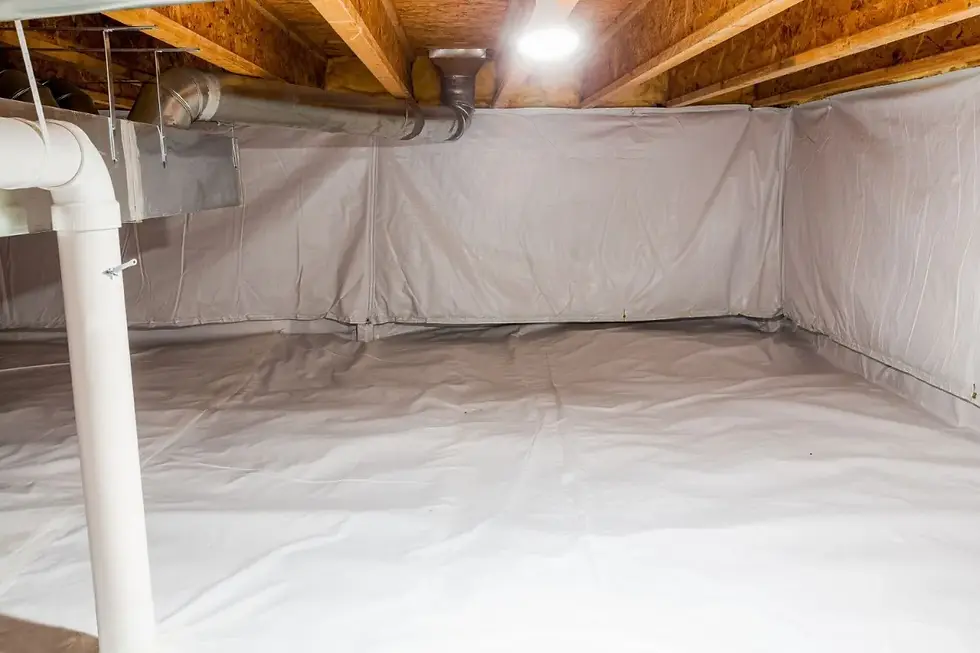
When groundwater pressure remains high, basement waterproofing helps redirect water and reduce stress on foundation walls.
Strengthen Foundation Stability
If storms have already caused movement, additional steps may be needed.
Monitor Wall Movement
Track cracks and wall alignment after storms.
Address Structural Weaknesses
If walls bow or cracks widen, structural repairs may be necessary to stabilize the foundation safely.
Reduce Soil Saturation Around the Home
Limiting water absorption reduces pressure.
Improve Drainage Paths
Ensure runoff flows away from the foundation.
Avoid Overwatering Landscaping
Excess irrigation adds unnecessary moisture.
Maintain Downspout Extensions
Check extensions after storms to ensure they remain in place.
Prepare Before Storm Season
Proactive preparation makes a major difference.
Inspect the Foundation Regularly
Look for new cracks or moisture after storms.
Check Drainage Systems
Inspect gutters, downspouts, and drains each season.
Monitor Basement Humidity
Rising humidity often signals moisture intrusion.
Address Small Issues Early
Minor repairs prevent major damage later.
Problem to Solution
Problem: Water enters the basement during storms
Solution: Improve drainage and manage groundwater pressure.
Problem: Cracks worsen after heavy rain
Solution: Seal cracks and install basement waterproofing.
Problem: Basement walls bow inward
Solution: Reduce soil pressure and complete structural repairs.
Problem: Puddles form near the foundation
Solution: Correct grading and downspout placement.
People Also Ask
Can heavy storms damage foundations?
Yes, especially when drainage is poor.
Is foundation damage common after storms?
Yes, in areas with clay soil and heavy rain.
Does drainage really protect foundations?
Yes. Water control is the most effective prevention.
Should I worry after one storm?
Repeated exposure increases risk, but early signs matter.
FAQ
How often should I inspect my foundation?
After major storms and at least once per season.
Can landscaping changes help protect foundations?
Yes. Proper grading and drainage reduce pressure.
Do sump pumps prevent all foundation damage?
They help manage groundwater but work best with drainage systems.
When should I call a professional?
If cracks widen, water enters, or walls shift after storms.
Protect Your Foundation Before the Next Storm
Heavy storms put foundations under extreme stress, but damage is not inevitable. Managing water, controlling soil pressure, and addressing early warning signs help protect your home long term.
A Better Choice Inc. provides long-term solutions that protect foundations from storm-related moisture and structural stress. Call 1-800-343-2357 or fill out the online form to schedule a professional foundation evaluation. We proudly serve Pittsburgh, North Huntingdon, Irwin, and Westmoreland County.



Comments