
How Can I Stop Mold From Spreading Behind Walls?

AI Summary
Mold behind walls spreads due to hidden moisture and poor airflow.
Western Pennsylvania homes are especially vulnerable after leaks or flooding.
Early signs help stop mold before major damage occurs.
Long-term solutions focus on moisture control, ventilation, and structural protection.

Mold growing behind walls is one of the most concerning problems homeowners face because it often spreads silently. Many homeowners in Pittsburgh, North Huntingdon, Irwin, and across Westmoreland County do not realize mold is present until odors worsen, health symptoms appear, or visible damage surfaces. By the time mold is discovered, it may already be affecting insulation, framing, and indoor air quality.
Mold behind walls thrives when moisture becomes trapped in enclosed spaces. Leaks, high humidity, and poor airflow allow mold spores to grow undetected. Stopping mold spread requires more than surface cleaning. It requires addressing the conditions that allow mold to survive in the first place.
This guide explains why mold spreads behind walls, how to recognize early warning signs, and what homeowners can do to stop mold before it causes serious damage.
Why Mold Spreads Behind Walls So Easily
Mold only needs a few key conditions to grow, and wall cavities provide them naturally.
Hidden Moisture Sources
Water often enters walls through:
Foundation cracks
Basement leaks
Roof or window leaks
Plumbing issues
Condensation buildup
Even small amounts of moisture can support mold growth when trapped behind drywall.
Limited Airflow
Wall cavities have little to no air movement. Without airflow, moisture lingers and creates ideal conditions for mold.
Organic Building Materials
Drywall, wood studs, insulation, and paper backing provide a food source for mold spores.
Delayed Detection
Mold behind walls can spread for months before becoming visible.
Common Causes of Mold Behind Walls
Understanding what causes mold helps prevent it from spreading.
Basement or Foundation Leaks
Moisture entering through basement walls often travels upward into wall cavities.
High Indoor Humidity
Homes with humidity levels above 60 percent allow moisture to collect behind walls.
Poor Ventilation
Bathrooms, basements, and laundry areas without proper ventilation trap moisture.
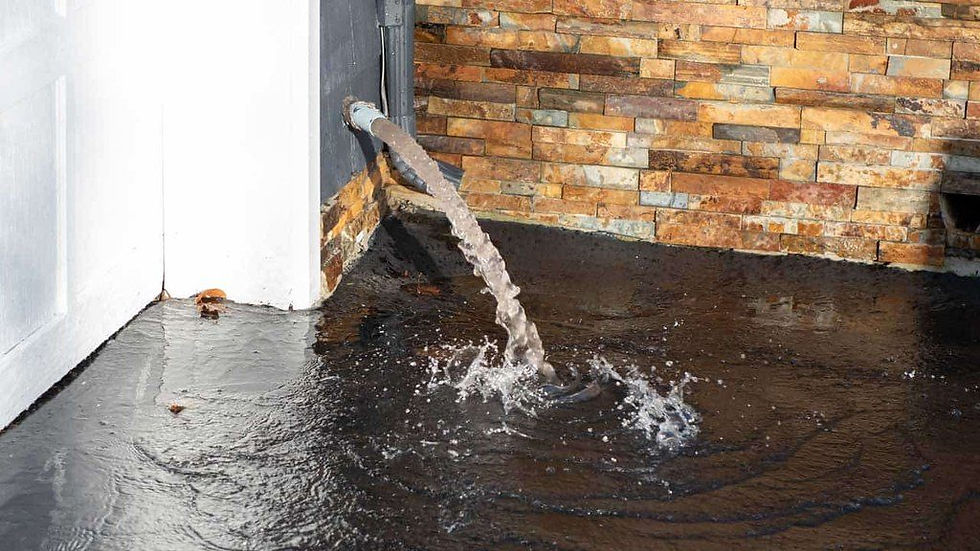
Flooding or Water Intrusion
Even after visible water is cleaned, moisture can remain behind walls.
Plumbing Leaks
Slow leaks inside walls often go unnoticed until mold spreads.
Condensation From Temperature Differences
Warm indoor air meeting cool wall surfaces creates condensation inside cavities.
Early Warning Signs Mold Is Spreading Behind Walls
Catching mold early helps limit damage.
Persistent Musty or Earthy Odors
Smells that linger often indicate hidden mold growth.
Discoloration or Staining on Walls
Yellow, brown, or dark stains may signal moisture behind drywall.
Bubbling or Peeling Paint
Moisture pushes paint away from the wall surface.
Soft or Warped Drywall
Drywall weakened by moisture may feel soft to the touch.
Increased Allergy Symptoms
Sneezing, coughing, or headaches may worsen indoors.
Mold Returning After Cleaning
Surface mold that returns quickly often originates behind walls.
Why Mold Behind Walls Should Not Be Ignored
Hidden mold can cause serious long-term problems.
Health Concerns
Mold spores circulate through the home and impact indoor air quality.
Structural Damage
Mold feeds on wood and drywall, weakening framing over time.
Spread to Other Areas
Mold behind walls can spread to ceilings, floors, and adjacent rooms.
Reduced Home Value
Mold issues raise red flags during inspections and resale.
Higher Repair Costs
The longer the mold spreads, the more extensive the repairs become.
Why Surface Cleaning Does Not Stop Mold Spread
Many homeowners attempt to clean visible mold without addressing the source.
Moisture Remains Behind Walls
Cleaning does not remove trapped moisture.
Mold Roots Stay Embedded
Mold penetrates porous materials and continues growing unseen.
Humidity Levels Stay High
Without moisture control, mold quickly returns.
Structural Materials Remain Affected
Drywall and insulation may already be contaminated.
How to Stop Mold From Spreading Behind Walls
Permanent solutions focus on moisture control, airflow, and prevention.
Identify and Stop the Moisture Source
This is the most important step.
Inspect for Water Intrusion
Check basements, foundations, windows, and roofs for leaks.
Repair Plumbing Issues
Fix leaks inside walls immediately.
Monitor Humidity Levels
Keep indoor humidity below 50 percent.
If moisture enters through foundation walls or floors, basement waterproofing helps stop water before it reaches wall cavities.
Improve Airflow Throughout the Home
Better airflow helps moisture evaporate instead of becoming trapped.
Improve Basement and Crawl Space Airflow
Moisture often rises from below the home.
Use Ventilation in Moisture-Prone Areas
Bathrooms, kitchens, and laundry areas need proper exhaust systems.
Avoid Blocking Air Movement
Do not place furniture or storage tightly against walls.
Homes with persistent humidity issues often benefit from home ventilation systems designed to control airflow and moisture balance.
Remove Mold Safely and Thoroughly
Mold removal should be done carefully to avoid spreading spores.
Contain Affected Areas
Prevent spores from spreading during cleanup.
Remove Contaminated Materials
Drywall and insulation may need replacement if heavily affected.
Clean Structural Components
Wood framing should be cleaned and dried properly.
Prevent Mold From Returning
Once mold is removed, prevention is key.
Control Basement Moisture
Basements are a primary moisture source in many homes.
Maintain Proper Drainage
Keep water away from the foundation with proper grading and downspouts.
Seal Cracks and Gaps
Prevent moisture from entering walls.
Monitor Seasonal Humidity Changes
Humidity often spikes during summer and after storms.
Inspect After Heavy Rain or Flooding
Early detection prevents hidden growth.
Problem to Solution
Problem: Musty smells persist after cleaning
Solution: Address hidden moisture and improve airflow.
Problem: Mold keeps returning in the same area
Solution: Identify leaks and install basement waterproofing if needed.
Problem: Walls show bubbling or stains
Solution: Remove the moisture source and repair damaged materials.
Problem: Allergy symptoms worsen indoors
Solution: Improve ventilation and control humidity.
People Also Ask
Can mold really grow behind walls?
Yes. Wall cavities provide ideal conditions for hidden mold growth.
How fast does mold spread behind walls?
Mold can begin spreading within days when moisture is present.
Does painting over mold stop it?
No. Mold continues growing behind the surface.
Is hidden mold dangerous?
Yes. It affects air quality and health.
FAQ
Should I remove drywall if mold is behind it?
Often, yes, to fully remove contaminated materials.
Can dehumidifiers stop mold growth?
They help, but do not stop water intrusion.
Is mold common in Pittsburgh homes?
Yes, due to humidity and moisture conditions.
When should I call a professional?
If mold returns, odors persist, or moisture is ongoing.
Stop Mold Before It Damages Your Home
Mold spreading behind walls is a sign that moisture and airflow are not properly controlled. Addressing the issue early protects your home’s structure and indoor air quality while preventing costly repairs.
A Better Choice Inc. provides long-term solutions that control moisture, improve airflow, and stop mold at the source. Call 1-800-343-2357 or fill out the online form to schedule a professional home evaluation. We proudly serve Pittsburgh, North Huntingdon, Irwin, and Westmoreland County.



Comments