
How Can I Tell If Water Is Coming From Outside?

AI Summary
Water entering from outside often leaves specific clues inside basements and crawl spaces.
Western Pennsylvania soil and rainfall make exterior water intrusion common.
Identifying the source early helps prevent mold and structural damage.
Long-term solutions focus on drainage, sealing, and moisture control.

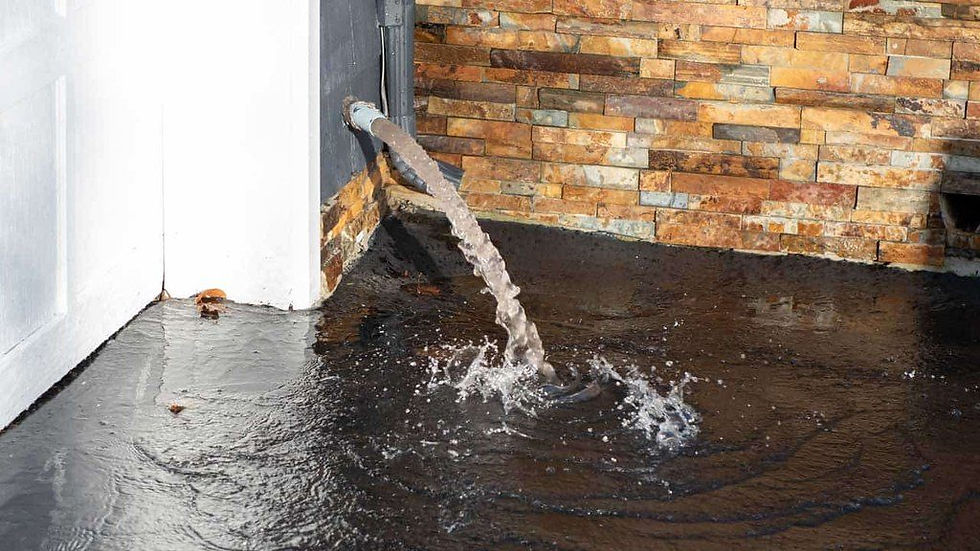
When water appears in a basement, crawl space, or lower level, one of the first questions homeowners ask is whether the water is coming from outside or from an internal source. This is an important distinction because exterior water intrusion usually points to drainage, soil, or foundation issues that can worsen over time if left unaddressed.
Homeowners throughout Pittsburgh, North Huntingdon, Irwin, and Westmoreland County frequently deal with exterior water intrusion due to heavy rainfall, clay-heavy soil, and seasonal groundwater changes. Knowing how to identify the signs of outside water entry allows homeowners to take action before moisture causes mold, odors, or structural damage.
This guide explains how to tell if water is coming from outside, where to look for clues, and what steps to take to help stop the problem long term.
Why Exterior Water Intrusion Is Common in Western Pennsylvania
Several regional factors make outside water entry a frequent issue.
Heavy Rainfall and Snowmelt
Western Pennsylvania receives significant rainfall throughout the year. Spring snowmelt also adds moisture to already saturated soil, increasing pressure around foundations.
Clay Heavy Soil
Clay soil absorbs water and holds it against foundation walls. When saturated, it expands and pushes moisture toward the home.
Freeze and Thaw Cycles
Seasonal temperature changes create cracks and gaps in foundation walls, allowing water to enter during wet periods.
Older Home Construction
Many homes in Irwin, North Huntingdon, and surrounding communities were built decades ago with materials more vulnerable to moisture intrusion.
Clear Signs Water Is Coming From Outside
Exterior water intrusion leaves patterns that differ from plumbing leaks or condensation.
Water Appears After Rainstorms
If water shows up only after heavy rain or snowmelt, it is likely entering from outside. Plumbing leaks usually occur regardless of the weather.
Moisture Along Basement Walls
Water stains, dampness, or discoloration on foundation walls often indicate moisture passing through the wall from the surrounding soil.
Wet Floor Wall Joints
Water appearing where the floor meets the wall is a strong sign of groundwater pressure pushing moisture inside.
Puddles Near the Foundation Indoors
Pooling water along basement edges often points to exterior drainage issues.
Efflorescence on Walls
White chalky residue on the basement walls indicates water moving through masonry and evaporating inside.
Damp Corners
Basement corners collect moisture from multiple directions and are common entry points for outside water.
Odors That Worsen After Rain
Musty or earthy smells that intensify after storms often come from moisture entering from outside.
How to Rule Out Interior Water Sources
Before assuming water is coming from outside, homeowners should check for internal causes.
Inspect Plumbing Lines
Look for leaks around water heaters, pipes, washing machines, and utility connections.
Check for Condensation
Condensation forms evenly on cool surfaces and pipes, not in specific areas or after rain.
Monitor Water Usage
If moisture appears when water fixtures are not being used, the source is likely external.
Look for Staining Patterns
Plumbing leaks often leave localized stains, while exterior water intrusion spreads along walls or joints.
Exterior Areas That Commonly Cause Water Entry
Certain exterior conditions make water intrusion more likely.
Downspouts Draining Too Close to the Home
Short or disconnected downspouts dump water directly next to the foundation.
Clogged or Overflowing Gutters
When gutters overflow, water falls near the basement walls and saturates the soil.
Poor Yard Grading
If the yard slopes toward the home, rainwater flows directly to the foundation.
Blocked Exterior Drains
Exterior drainage systems can clog with debris, causing water to back up toward the home.
Cracked Foundation Walls
Even small cracks allow water to seep inside during heavy rain.
Window Well Overflow
Basement window wells that fill with water allow moisture to leak through the window frames.
Warning Signs: Exterior Water Intrusion Is Getting Worse
Early signs can turn into major problems if ignored.
Increasing Frequency of Wetness
Water appearing after smaller storms suggests worsening drainage or foundation issues.
Spreading Moisture Areas
New damp spots indicate water is finding additional entry points.
Mold Growth Near Walls or Corners
Moisture from outside creates ideal conditions for mold.
Peeling Paint or Bubbling Walls
Water pressure pushes moisture behind finishes, causing them to fail.
Cracks That Widen Over Time
Exterior pressure causes cracks to grow and allow more water inside.
Why Exterior Water Entry Should Not Be Ignored
Exterior water intrusion can lead to serious long-term damage.
Foundation Deterioration
Water weakens concrete and mortar over time.
Structural Stress
Hydrostatic pressure can cause walls to bow or shift.
Mold and Air Quality Issues
Moisture entering from outside supports mold growth that spreads indoors.
Damage to Finished Spaces
Drywall, flooring, and insulation can be destroyed by recurring water intrusion.
Increased Repair Costs
Early drainage fixes cost far less than major foundation repairs.
How to Confirm Water Is Coming From Outside
Homeowners can use a few practical steps to confirm the source.
Observe During Rainstorms
Check the basement during or shortly after rainfall to see where water appears.
Use a Hose Test
Spraying exterior areas in stages can help identify entry points.
Track Moisture Patterns
Note where water appears and whether it matches exterior conditions.
Check Soil Saturation
Waterlogged soil near the foundation indicates poor drainage.
How to Stop Outside Water From Entering Long Term
Permanent solutions focus on managing water before it reaches the foundation.
Improve Exterior Drainage
This is the first and most important step.
Extend downspouts away from the home
Clean gutters regularly
Correct yard grading
Install drainage systems
Seal Foundation Cracks
Sealing cracks prevents water from passing through the walls.
Address Groundwater Pressure
If water consistently enters through walls or floor joints, basement waterproofing helps redirect moisture away from the foundation.
Repair Structural Weak Points
If cracks or movement allow water inside, structural repairs may be needed to stabilize the foundation.
Maintain Window Wells
Install covers and ensure proper drainage to prevent overflow.
Control Interior Humidity
Reducing humidity helps prevent condensation that can mask exterior leaks.
Problem to Solution
Problem: Water appears only after rain
Solution: Improve exterior drainage and foundation sealing.
Problem: Damp walls and corners
Solution: Address groundwater pressure and install basement waterproofing.
Problem: Cracks allow moisture inside
Solution: Seal cracks and evaluate for structural repairs.
Problem: Musty odors worsen during storms
Solution: Eliminate moisture entry from outside.
People Also Ask
How can I tell if water is coming from outside?
Water that appears after rain and along walls is usually external.
Is exterior water intrusion common in Pittsburgh?
Yes. Soil and rainfall make it very common.
Can water enter through concrete walls?
Yes. Concrete is porous and allows moisture through under pressure.
Will sealing cracks stop all leaks?
Sealing helps, but drainage issues must also be corrected.
FAQ
Should I call a professional for water intrusion?
Yes, if water appears repeatedly or worsens over time.
Can landscaping cause basement leaks?
Improper grading and drainage can direct water toward the home.
Is waterproofing necessary?
In many cases, yes, especially with recurring exterior water entry.
Does water intrusion always mean foundation damage?
Not always, but it increases the risk if left untreated.
Stop Outside Water Before It Causes Damage
If water is entering your home from outside, it is a sign that drainage or foundation protection needs attention. Identifying the source early helps prevent mold, structural damage, and costly repairs.
A Better Choice Inc. provides long-term solutions that stop water before it reaches your foundation. Call 1-800-343-2357 or fill out the online form to schedule a professional evaluation. We proudly serve Pittsburgh, North Huntingdon, Irwin, and Westmoreland County.



Comments