
How Do Pittsburgh’s Soils Impact Foundation Damage?

When it comes to foundation health, the soil beneath your home plays just as big of a role as the weather above it. Homeowners in Pittsburgh and surrounding areas like Monroeville often deal with unique soil conditions that can create serious foundation issues over time. Understanding how these soils behave can help you spot problems early and protect your home’s stability.

The Types of Soil Found in Pittsburgh
Western Pennsylvania is known for having a mix of soil types, many of which are not ideal for foundation support.
Clay-rich soil: Clay holds water like a sponge, swelling when wet and shrinking when dry. These constant shifts put extreme pressure on foundation walls.
Loamy soil: Loam is a mix of sand, silt, and clay. While more stable than clay, it still absorbs water and can shift under heavy rainfall.
Sandy soil: Less common in Pittsburgh, sandy soil drains quickly but may not provide enough support, leading to settling problems.
How Expansive Clay Causes Damage
One of the leading causes of foundation cracks in Pittsburgh homes is expansive clay soil. In rainy months, clay swells and pushes against the walls. During drier times, it contracts, leaving gaps that destabilize the foundation. Over time, this expansion and contraction cycle can result in both vertical and horizontal cracking.
Drainage Problems and Soil Saturation
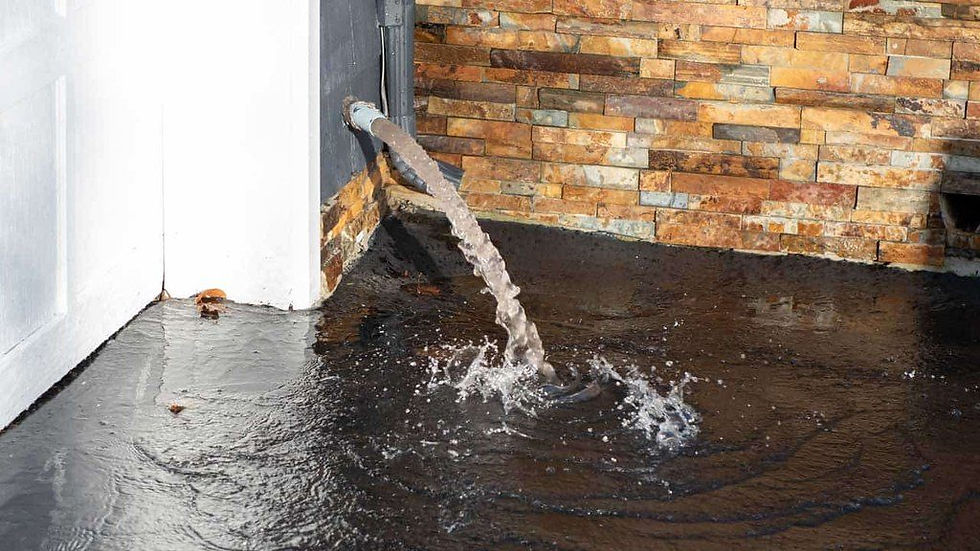
Soil in the Pittsburgh area often becomes oversaturated due to heavy rainfall and poor drainage systems. When soil holds too much water, hydrostatic pressure builds against basement walls, causing them to bow or crack. Homes in lower-lying areas are especially vulnerable.
Seasonal Weather and Soil Movement
Pittsburgh’s climate adds another challenge. Winters bring freezing temperatures, which cause water in the soil to expand. As the freeze-thaw cycle repeats, it creates constant stress on foundations. This seasonal soil movement often leads to cracks, leaks, and uneven settling in basements.
Soil Settlement Over Time
Even if your home was built on properly compacted soil, natural settlement occurs over decades. In older Pittsburgh neighborhoods, soil erosion and shifting are common causes of sloping floors and wall cracks. Monroeville and other nearby communities see similar problems due to soil compaction breakdown.
Landscaping and Tree Roots
The soil around your home isn’t only impacted by weather. Large trees planted too close can dry out the soil through root absorption. When the soil shrinks, gaps form under the foundation, causing it to settle unevenly. In clay-heavy areas, this can worsen existing cracks.
Protecting Your Foundation Against Soil-Related Damage
The good news is that soil-related damage can often be prevented with the right solutions. Waterproofing systems, proper drainage, and regular inspections can greatly reduce the risk. Companies like A Better Choice Inc. specialize in identifying soil-related foundation problems and designing custom solutions to keep homes safe and dry.
When to Take Action
If you notice cracks in your walls, uneven floors, or water seepage in your basement, don’t ignore it. These are common warning signs of soil-related foundation damage. Addressing them early can save thousands in future repair costs.
Call for a Free Inspection Today
Worried about how Pittsburgh’s soil might be affecting your home’s foundation? Call 1-800-343-2357 or fill out the online form to schedule a free inspection with A Better Choice Inc. Our team proudly serves homeowners in Pittsburgh, Monroeville, and nearby areas with expert foundation repair and waterproofing solutions.



Comments