
How Do You Waterproof a Basement from the Inside?

Key Takeaway
Interior basement waterproofing redirects water that enters through foundation walls and floors before it can cause serious damage to your home.
Freeze-thaw cycles common in Western Pennsylvania actively widen hairline cracks into active leaks over just a few winters.
A complete interior system typically combines drainage channels, a sump pump, and wall membranes working together rather than relying on a single solution.
Costs vary based on the size of your basement, the severity of water intrusion, and the methods required, so a professional inspection is the best starting point.

Your basement floor is wet again. Maybe it happens every spring when the ground thaws, or maybe last week's heavy rain left a puddle creeping in from the corner of your foundation wall. Either way, you know something is wrong, and you know it is only going to get worse if you ignore it.
That frustration is exactly what pushes homeowners toward internet searches at midnight, looking for real answers. The good news is that interior basement waterproofing is a proven, effective approach that addresses water intrusion from the inside rather than requiring you to excavate around your entire home. Homeowners across Western Pennsylvania, from Monroeville to Greensburg and everywhere in between, have used this method to reclaim dry, usable basements. If you want to understand how the process works before calling anyone, our Basement Waterproofing service page is a solid place to start.
Why This Matters for North Huntingdon, PA Residents
Interior basement waterproofing is especially relevant in our region because Western Pennsylvania's climate creates conditions that relentlessly attack foundation walls. The ground around your home expands when it freezes and contracts when it thaws, and that cycle repeats dozens of times each winter. Pittsburgh-area building code requires foundation footings to sit below the 36-inch frost line for exactly this reason. When footings fall short of that depth, or when drainage around the home fails over time, freeze-thaw heave cracks walls and slabs within just a few winters.
North Huntingdon, PA sits in the heart of this climate zone, and many of the homes here were built during eras when waterproofing standards were far less rigorous. Clay-heavy soil in much of Westmoreland County holds moisture against foundation walls rather than draining it away. That combination of soil type, freeze-thaw stress, and aging construction makes wet basements one of the most common calls we receive.
How Interior Basement Waterproofing Actually Works
Rather than stopping water before it reaches your foundation, interior waterproofing intercepts water after it enters the wall or floor assembly and channels it away harmlessly. Think of it as managing the water rather than waging a losing battle to keep every drop out through aging concrete. Here is what a complete interior system typically involves:
A drainage channel is installed along the interior perimeter of the basement floor, collecting water that seeps in through wall-floor joints or through the walls themselves.
That channel routes water to a sump pit located in a low point of the basement floor.
A sump pump then ejects the collected water away from the foundation and toward a proper discharge point.
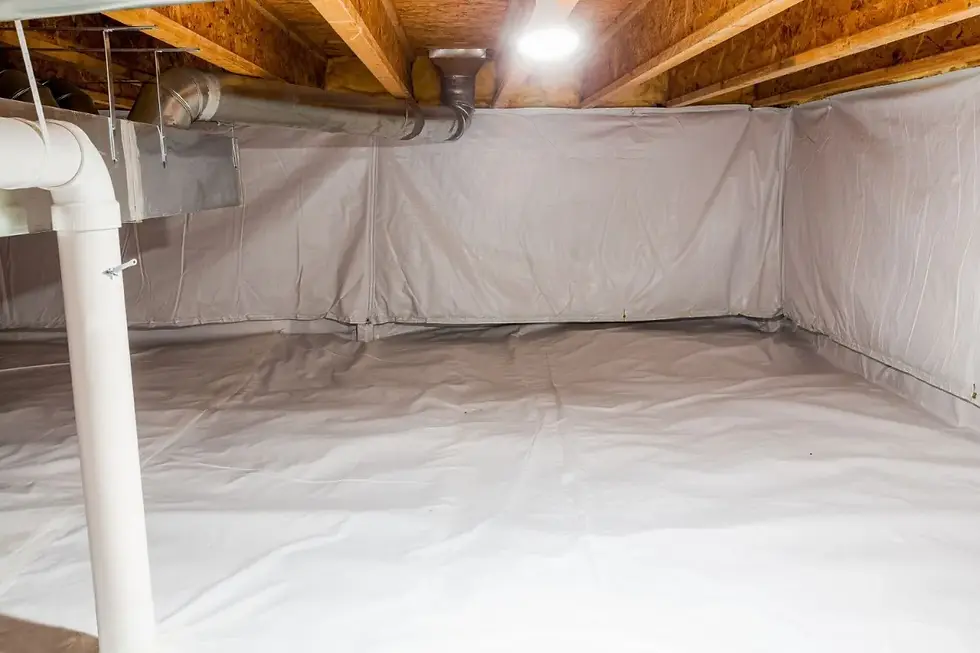
Wall membranes or dimple mats may be applied to direct wall seepage downward into the drainage channel rather than letting it pool on your floor.
Crack injection with polyurethane or epoxy seals active foundation crack leaks and stops water from entering through specific breach points.
For a detailed walkthrough of what installation day looks like, The Process of Basement Waterproofing: What to Expect covers each phase from start to finish.
Understanding Foundation Cracks and What They Signal
Not every crack in a basement wall means the same thing. A thin, vertical hairline crack may simply reflect normal concrete curing or minor settling. A horizontal crack, on the other hand, often indicates lateral soil pressure pushing against the wall, which is a more serious structural concern. In that case, Foundation Repair may be needed alongside or before any waterproofing work.
Before any waterproofing work begins, an experienced contractor should evaluate your cracks to determine whether they are cosmetic, actively leaking, or structurally significant. Treating a structural problem as a simple waterproofing job will not protect your home. A proper assessment separates the two.
When Crack Injection Is the Right Fix
For cracks that are stable but actively allowing water in, crack injection is often the right starting point. A technician injects polyurethane foam or epoxy resin directly into the crack under pressure. The material expands to fill voids and cures into a flexible or rigid seal depending on the product used. This approach works well for isolated leaks in poured concrete walls and can often be completed in a single visit.
When a Full Drainage System Is Needed
If water is entering in multiple locations, wicking through the entire wall, or pooling across a wide section of your floor, a full interior drainage system is the more effective answer. Homes in Irwin and surrounding areas that have dealt with recurring seasonal flooding often reach this point. A drainage channel paired with a properly sized sump pump provides ongoing protection rather than a one-time patch. If you have already dealt with standing water and want context on the recovery process, How to Dry Out a Flooded Basement in Pittsburgh PA covers that phase in detail.
Sump Pump Installation: A Critical Piece of the System
A drainage channel without a reliable sump pump is like a gutter without a downspout. The sump pump is the engine of your interior waterproofing system, and its capacity, quality, and battery backup capability all matter. A pump that cannot keep up during a heavy spring storm or that fails during a power outage will leave you with the same wet floor you started with.
Battery backup systems are strongly recommended for Western PA homeowners. Power outages and heavy rain tend to arrive together, which is precisely when your pump needs to keep running. Staying on top of routine maintenance makes a real difference in reliability. Sump Pump Maintenance Tips for Western Pennsylvania Homeowners is a useful reference for keeping your system in peak condition. A contractor reviewing your basement can also help you determine the right pump size and backup configuration based on your home's specific drainage load.
Cost, Timeline, and What to Expect
Interior waterproofing projects vary considerably in scope and cost depending on your basement size, the number of active leaks, the condition of your existing foundation, and the specific methods required. There is no single price that applies to every home in Greensburg or every row house in Pittsburgh, which is why a professional inspection and quote is the only reliable way to understand what your project will cost.
A few practical things to keep in mind as you plan:
Most interior drainage installations can be completed in one to two days for a typical residential basement.
The work is disruptive but contained. Contractors saw along the perimeter of the floor and remove a narrow strip of concrete to install the channel beneath.
You will need to clear the perimeter of the basement before work begins.
A quality installation includes a warranty, so ask specifically what is covered and for how long.
People Also Ask
What is the most effective way to waterproof a basement from the inside?
The most effective interior approach combines a perimeter drainage channel, a sump pump with battery backup, and crack injection for any active wall leaks. No single product alone handles every source of water intrusion. A professional inspection helps determine which combination of methods your specific basement needs.
How long does interior basement waterproofing last?
A professionally installed interior drainage system typically lasts for decades when properly maintained. Sump pumps have mechanical components that should be tested annually and replaced every five to ten years depending on usage. The drainage channel itself, once installed correctly, does not degrade or require replacement under normal conditions.
Is interior basement waterproofing worth it?
For most homeowners dealing with recurring wet basements, interior waterproofing delivers reliable, long-term protection that far outweighs the cost of ongoing water damage, mold remediation, and lost usable space. It also protects your home's value and provides peace of mind during every heavy rain season.
Do I need a sump pump if I already have basement waterproofing?
In most interior waterproofing systems, a sump pump is a required component rather than an optional upgrade. The drainage channel collects water and routes it to the sump pit, but the pump is what physically moves that water out of your home. Without a functioning pump, collected water has nowhere to go.
FAQ
Will interior waterproofing fix structural cracks in my foundation?
Interior waterproofing stops water from entering through cracks but does not repair the structural integrity of a compromised wall. If your foundation shows signs of bowing, shifting, or significant horizontal cracking, a structural assessment and foundation repair should be completed alongside any waterproofing work.
Can I waterproof my basement myself using store-bought products?
DIY waterproofing paints and sealants can slow minor surface moisture but are not effective against active hydrostatic pressure or through-wall leaks. They tend to peel and fail within a few seasons. A professional system addresses the source and path of water intrusion rather than simply coating the surface.
How do I know if my basement has hydrostatic pressure issues?
Signs include water seeping through the wall-floor joint, cracks that appear to have water stains around them, efflorescence (white mineral deposits) on walls, and recurring wet spots in the same location after every rain event. A contractor can assess whether hydrostatic pressure is the primary driver.
How often should a sump pump be serviced?
You should test your sump pump at least once a year, ideally before the spring rainy season, by pouring water into the pit and confirming it activates and discharges properly. Pumps should also be inspected for debris in the pit and checked for unusual noise or slow cycling, which can indicate wear.
Protect Your Home with Trusted Local Expertise
A wet basement is not just an inconvenience. It is a warning that water is working against your foundation every time it rains or the ground freezes. Left unaddressed, the damage compounds over years into mold, structural compromise, and a home that is harder to sell and more expensive to repair. The right time to act is before the next storm season hits, not after.
With nearly three decades of experience serving North Huntingdon, PA homeowners and communities across Western Pennsylvania, A Better Choice, Inc. has helped hundreds of families stop the cycle of wet basements and damaged foundations. Our team understands the specific soil conditions, frost depths, and building challenges that make this region unique, and we bring that knowledge to every inspection and installation.
Visit A Better Choice, Inc. or call 1-800-343-2357 today. A dry basement protects your home's structure, improves your air quality, and gives you usable space back. Contact us for more information.



Comments