
What Causes Doors to Stick During Humid Weather?

AI Summary
Doors often stick during humid weather due to moisture absorption and air pressure changes.
High humidity in Western Pennsylvania homes commonly originates from basements and crawl spaces.
Sticking doors can signal a moisture imbalance or structural movement.
Long-term solutions focus on moisture control, airflow, and foundation stability.

Many homeowners notice that doors that open and close smoothly during cooler months suddenly begin sticking once humidity rises. This is a common complaint across Pittsburgh, North Huntingdon, Irwin, and Westmoreland County, especially during warm and humid seasons. While a sticking door may seem like a minor inconvenience, it often points to underlying moisture issues within the home.
Humidity affects how building materials behave. When moisture levels increase, wood absorbs water, expands, and changes shape. At the same time, excess humidity can signal deeper moisture problems in basements, crawl spaces, or foundations that impact the entire structure. Understanding why doors stick during humid weather helps homeowners identify whether the issue is cosmetic or a warning sign of a larger concern.
This guide explains the most common causes of sticking doors, how humidity plays a role, and what steps homeowners can take to prevent recurring problems.
How Humidity Affects Homes
Humidity refers to the amount of moisture present in the air. When humidity levels rise, that moisture interacts with building materials throughout the home.
Moisture Absorption in Wood
Wood is a natural material that absorbs moisture from the air. As humidity increases, wood swells slightly. This expansion can affect:
Door panels
Door frames
Trim and jambs
Flooring near doorways
Even small changes can cause doors to rub against frames or fail to latch properly.
Seasonal Humidity in Western Pennsylvania
Homes in zip clusters like 15642, 15137, and 15644 experience humid summers due to frequent rain, warm temperatures, and moist soil conditions. Basements and crawl spaces often contribute to rising indoor humidity.
Air Pressure Changes
Humidity can also affect air pressure within the home, influencing how doors fit and move within their frames.
Common Reasons Doors Stick During Humid Weather
Sticking doors usually result from a combination of factors rather than a single cause.
Swelling Door Frames
Door frames expand when exposed to humid air. This is especially common in older homes with wooden frames.
Moisture Rising From Basements
Excess moisture in basements rises through the home, increasing humidity on upper floors. This often occurs when:
Groundwater pressure is high
Drainage around the foundation is poor
Basement humidity remains above safe levels
Poor Indoor Airflow
Limited airflow allows humid air to become trapped inside the home, worsening swelling in doors and frames.
Uneven Foundation Movement
Humidity and moisture can affect the soil beneath the home. As soil expands, it may cause slight foundation movement that alters door alignment.
Seasonal Wood Expansion
Doors made from solid wood are particularly sensitive to seasonal moisture changes.
Older Home Construction
Many older Pittsburgh homes were built with materials that respond more dramatically to humidity changes.
Signs Sticking Doors May Signal a Bigger Problem
Not all sticking doors are harmless. Certain warning signs suggest deeper issues.
Multiple Doors Stick at the Same Time
If several doors throughout the home begin sticking, humidity or structural movement may be affecting the entire structure.
Doors Stick More After Rain
Doors that stick after storms often point to moisture entering from outside.
New Gaps Around Doors
Shifting frames can create visible gaps or uneven spacing.
Cracks in Walls Near Door Frames
Cracks may indicate movement related to moisture or foundation stress.
Musty Odors in the Home
Odors suggest excess humidity, often originating from basements or crawl spaces.
Doors That Stick and Then Release Suddenly
This can signal ongoing movement or pressure changes within the structure.
Why Humidity Causes Structural Shifts
Humidity affects more than just doors.
Soil Expansion Under the Foundation
Clay-heavy soil common in Western Pennsylvania expands when wet, pushing against foundation walls and altering alignment.
Moisture Weakening Structural Materials
Excess moisture weakens wood framing and support structures over time.
Cumulative Seasonal Effects
Repeated humid seasons cause gradual changes that build up year after year.
Why Sticking Doors Should Not Be Ignored
Ignoring the issue can lead to larger problems.
Increased Wear on Doors and Frames
Constant friction damages finishes and hardware.
Foundation Movement May Worsen
Minor shifts can become more pronounced if moisture issues continue.
Higher Indoor Humidity Risks
Humidity supports mold growth and poor air quality.
Reduced Energy Efficiency
Poor door alignment allows air leaks that raise energy costs.
Lower Home Value
Structural and moisture issues raise concerns during inspections.
How to Identify the Source of the Problem
Determining whether the issue is surface-level or structural is key.
Check Basement Humidity Levels
High basement humidity often affects the entire home.
Observe Timing and Weather Patterns
Note whether doors stick during humid weather or after rain.
Inspect Door Frames and Jambs
Look for swelling, warping, or visible moisture damage.
Monitor Foundation Cracks
Track whether cracks near doorways widen over time.
Check Indoor Airflow
Poor ventilation allows humidity to linger.
How to Fix and Prevent Sticking Doors Long Term
Effective solutions address both humidity and structural stability.
Control Indoor Humidity
Reducing humidity helps doors return to their normal size.
Use dehumidifiers strategically
Improve airflow throughout the home
Avoid opening windows during humid weather
Address Basement Moisture
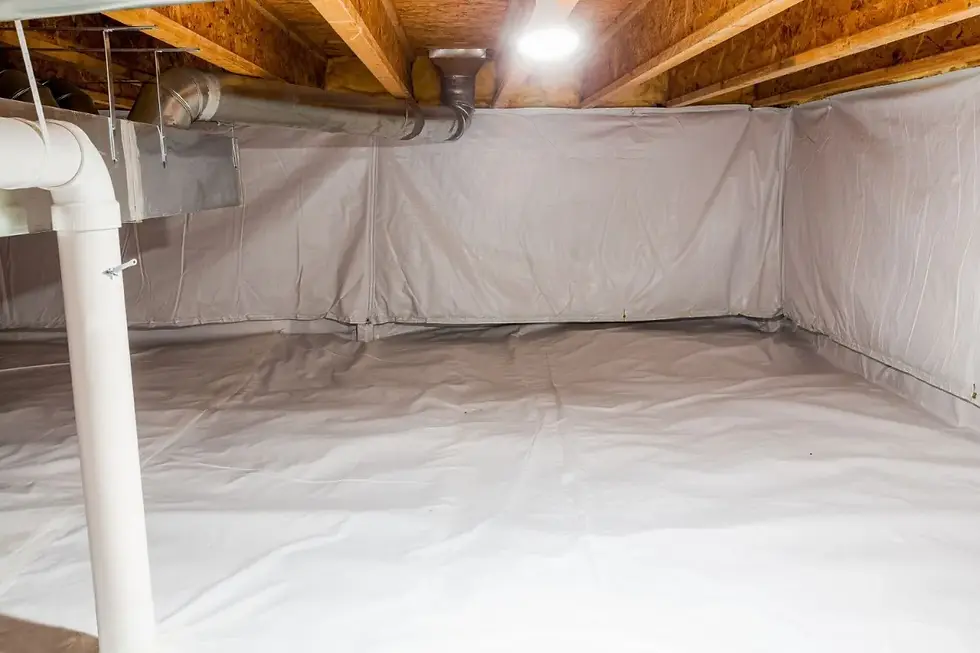
If humidity originates below the home, basement waterproofing helps control moisture and prevent it from rising into living spaces.
Improve Drainage Around the Home
Keeping water away from the foundation reduces soil expansion.
Extend downspouts
Clean gutters
Correct yard grading
Improve Ventilation
Balanced airflow helps stabilize humidity levels and reduce swelling.
Repair Door Alignment
Once humidity is controlled, doors can be adjusted or trimmed if needed.
Evaluate Structural Movement
If doors continue sticking despite humidity control, structural repairs may be necessary to correct underlying alignment issues.
Problem to Solution
Problem: Doors stick during humid weather
Solution: Reduce indoor humidity and improve airflow.
Problem: Doors stick after heavy rain
Solution: Control basement moisture and improve drainage.
Problem: Multiple doors affected
Solution: Evaluate moisture levels and structural alignment.
Problem: Cracks appear near door frames
Solution: Inspect for foundation movement and stabilize the structure.
People Also Ask
Can humidity really make doors stick?
Yes. Wood absorbs moisture and expands.
Why do doors stick more in summer?
Higher humidity causes materials to swell.
Are sticking doors a foundation problem?
Sometimes, especially if multiple doors are affected.
Will trimming the door fix the issue?
Only temporarily if humidity remains high.
FAQ
Should I worry about one sticking door?
One door may be minor, but repeated issues suggest humidity problems.
Can dehumidifiers stop doors from sticking?
They help, but moisture sources must also be addressed.
Is this common in Pittsburgh homes?
Yes. Climate and soil conditions make it common.
When should I call a professional?
If doors stick persistently or cracks appear nearby.
Restore Comfort and Stability to Your Home
Sticking doors during humid weather are often the result of excess moisture and airflow imbalance. While the issue may seem small, it can point to deeper moisture or structural concerns that should be addressed early.
A Better Choice Inc. provides long-term solutions that manage humidity, moisture intrusion, and structural stability. Call 1-800-343-2357 or fill out the online form to schedule a professional home evaluation. We proudly serve Pittsburgh, North Huntingdon, Irwin, and Westmoreland County.



Comments