
What Causes Foundation Sinking in Pittsburgh Homes?

AI Summary
Learn the most common causes of foundation sinking in Pittsburgh and surrounding Western PA homes.
Understand how soil conditions, water pressure, erosion, and structural issues lead to sinking or settling.
Discover the warning signs that your foundation may be failing.
See when homeowners should schedule structural repairs or basement waterproofing for long-term protection.

What Causes Foundation Sinking in Pittsburgh Homes?
Foundation sinking is a serious concern for homeowners in Pittsburgh, North Huntingdon, Irwin, and throughout Westmoreland County. Western Pennsylvania’s soil composition, heavy rainfall, freeze-thaw cycles, and older home foundations make this region particularly vulnerable to settlement issues. When foundations begin to sink, even slightly, it can lead to structural instability, cracks, water intrusion, and long-term home damage if left untreated.
Understanding the causes of foundation sinking helps homeowners protect their homes early, before costly repairs become unavoidable. This guide breaks down the most common reasons foundations sink in this region, the signs that your home may be shifting, and what long-term solutions can stabilize and protect your structure.
Why Foundations Sink in Pittsburgh and Western PA
1. Clay-Heavy Soil Expansion and Contraction
Much of Western Pennsylvania is built on clay-rich soil. Clay expands when wet and shrinks when dry. This movement is known as soil heaving, and it places significant stress on the foundation.
During heavy rain, the clay expands and pushes upward. During dry periods, it contracts and settles. Repeated cycles cause the foundation to shift and sink irregularly.
Clay-heavy neighborhoods in the 15221, 15642, and 15644 zip clusters are especially prone to this issue.
2. Poor Drainage and Water Accumulation
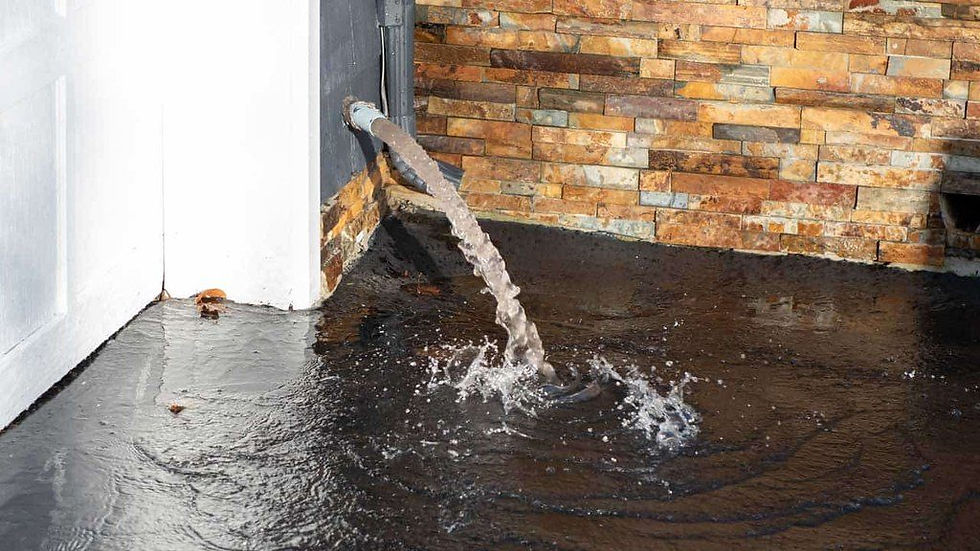
Water is the biggest enemy of a stable foundation. When rainwater is not properly redirected away from the home, it collects around the base of the structure. This creates hydrostatic pressure, which weakens the soil supporting the foundation.
Common drainage problems include:
Gutters overflowing
Downspouts placed too close to the home
Grading that slopes toward the structure
Poorly functioning drains or window wells
Over time, water washes out soil beneath the foundation and causes sinking on one or more sides.
3. Soil Erosion
Soil erosion is extremely common in hilly Pittsburgh neighborhoods and low-lying areas near creeks or slopes. Water runoff removes soil from underneath the foundation, leading to uneven sinking.
Erosion is especially dangerous because it can happen quietly underground before homeowners notice surface symptoms.
4. Poor Compaction During Construction
Many older homes in Pittsburgh and Westmoreland County were built decades ago when compaction standards were less strict. If the soil beneath the foundation was not compacted properly, the structure may slowly sink over time as the soil shifts.
Newer homes can also experience settling if builders placed foundations on fill dirt instead of natural soil.
5. Leaking Pipes or Underground Water Problems
Water leaking from underground plumbing lines can saturate the soil beneath the foundation, washing it away over time.
This often happens when:
Sewer lines leak
Main water lines crack
Drain tiles collapse
Old clay pipes deteriorate
The constant moisture weakens the soil until sections of the foundation begin to drop.
6. High Water Table Levels
Some areas in Western PA have naturally high water tables. When groundwater levels rise, they place pressure against basement walls and wash out supporting soil.
This is especially common in:
Low-lying neighborhoods
Homes built near streams
Older homes with shallow foundations
High water tables often require basement waterproofing combined with soil stabilization solutions.
7. Tree Root Interference
Large tree roots grow toward moisture. Roots can push into the soil beneath the foundation, creating voids or displacing soil. When the soil loosens or shifts because of root growth, foundations sink or crack.
8. Freeze-Thaw Cycles
Western Pennsylvania experiences strong freeze-thaw cycles each winter. When water in the soil freezes, it expands and pushes upward against the foundation. When it thaws, the soil contracts.
This repeated movement causes long-term settling.
Early Warning Signs of Foundation Sinking
Homeowners should watch for these indicators:
Interior Signs
Cracks in drywall
Doors or windows are sticking
Uneven floors
Gaps between the wall and the ceiling
Bowed or sloping floors
Exterior Signs
Stair-step cracks in brick or block walls
Separation between walls and porches
Leaning chimneys
Gaps around window frames
Basement Signs
Cracks in foundation walls
Water seepage after rain
Tilting or bowing walls
Moisture stains
These symptoms usually worsen over time and signal the need for structural repairs.
How Foundation Sinking Leads to Long-Term Damage
If not corrected, foundation sinking causes:
Structural instability
Worsening wall cracks
Water intrusion
Mold growth
Basement wall bowing
Damage to plumbing and flooring
Loss of home value
Early intervention is always less expensive than waiting for severe structural failure.
How A Better Choice Inc. Fixes Foundation Sinking
Depending on the cause, one or more solutions may be recommended.
1. Structural Repairs
If walls are bowing, cracking, or shifting, professional structural repairs stabilize the foundation. This may include reinforcement, wall stabilization, or foundation leveling.
2. Basement Waterproofing
When sinking is caused or worsened by poor drainage, basement waterproofing systems protect the foundation from further water-related soil movement. This reduces hydrostatic pressure and protects the structure long-term.
3. Drainage and Grading Corrections
Redirecting water away from the home prevents soil erosion and water saturation. This may include extending downspouts, regrading the yard, or improving exterior drainage paths.
4. Crawl Space or Basement Ventilation
High humidity or repeated condensation can contribute to weak soils and moisture intrusion. Upgraded home ventilation systems help reduce moisture levels inside the home.
Problem to Solution: Helping Homeowners Act Early
Problem: Your basement walls show new cracks
Solution: Schedule structural repairs to stabilize the foundation and prevent further sinking.
Problem: Water appears during heavy rain
Solution: Install basement waterproofing to control hydrostatic pressure.
Problem: Floors feel uneven or sloped
Solution: Inspection and foundation reinforcement can level and secure the structure.
Problem: Soil erosion is visible near the home
Solution: Improve grading and drainage to protect the foundation long-term.
People Also Ask
What is the most common cause of foundation sinking?
Water-related soil movement is the leading cause in Pittsburgh homes.
Can foundation sinking be stopped?
Yes. Professional structural work and drainage improvements can stabilize the home.
Will foundation cracks get worse over time?
Yes. Cracks typically widen as the structure continues to sink or shift.
Does insurance cover foundation sinking?
Most policies do not apply unless it is caused by a sudden and accidental event.
FAQ Section
How long do structural repairs last?
Quality foundation repairs offer long-term stabilization when paired with proper drainage.
Is a sinking foundation dangerous?
Yes. It can lead to serious structural damage if not corrected.
Can waterproofing stop foundation settling?
Waterproofing prevents soil saturation, which helps reduce sinking.
When should I call a professional?
Any time you notice new cracks, uneven floors, or moisture in the basement.
Protect Your Foundation with Long-Term Solutions
Foundation sinking is a serious issue that requires professional evaluation. Whether your home shows early signs of settling or major structural shifts, A Better Choice Inc. provides reliable solutions that protect your home for the long term.
Call 1-800-343-2357 or fill out the online form to schedule your inspection. A Better Choice Inc. proudly serves Pittsburgh, North Huntingdon, Irwin, and Westmoreland County with trusted waterproofing and foundation services.



Comments