
What Makes Floor Joists Sag Above Wet Basements?

AI Summary
Sagging floor joists are often caused by prolonged moisture exposure from wet basements.
Western Pennsylvania soil and weather conditions increase the risk of wood weakening.
Early warning signs help prevent serious structural damage.
Long-term solutions focus on moisture control and structural stabilization.

Sagging floors are a serious concern for homeowners, especially when they develop above a basement that frequently feels damp or wet. Many homeowners in Pittsburgh, North Huntingdon, Irwin, and throughout Westmoreland County notice uneven floors, bouncy areas, or dips that seem to worsen over time. In many cases, the root cause is excessive moisture coming from the basement below.
Floor joists are designed to support the weight of your home, furniture, and daily activities. When these structural components are exposed to moisture for long periods, they can weaken, lose strength, and begin to sag. Understanding why this happens and how to stop it early is critical for protecting your home’s structure and safety.
This guide explains what causes floor joists to sag above wet basements, the warning signs to watch for, and what long-term steps homeowners can take to prevent further damage.
How Floor Joists Support Your Home
Before exploring the causes of sagging, it helps to understand how floor joists function.
What Floor Joists Do
Floor joists are horizontal beams that run across the basement ceiling and support the floors above. They distribute weight evenly across foundation walls and support beams.
Why Joists Are Vulnerable to Moisture
Most floor joists are made of wood. While strong and durable when dry, wood is vulnerable to:
Moisture absorption
Rot and decay
Mold growth
Loss of structural strength
When basements stay damp, moisture rises and surrounds these joists, slowly breaking them down.
Why Wet Basements Lead to Sagging Floor Joists
Wet basements create conditions that weaken floor joists over time.
Constant Moisture Exposure
When basements remain damp, moisture is continuously absorbed into wooden joists. This causes the wood fibers to swell, soften, and lose rigidity.
Homes in zip clusters like 15642, 15137, and 15644 are especially prone due to clay-heavy soil that holds moisture against foundation walls.
High Basement Humidity
Even without visible water, high humidity allows moisture to settle on joists. Over time, this persistent dampness weakens the wood.
Mold and Wood Rot
Moist environments promote mold growth and wood rot. Rot breaks down the internal structure of the wood, reducing its ability to carry weight.
Water Intrusion Through Foundation Walls
Cracks, porous concrete, or poor drainage allow water to enter the basement. Moisture then migrates upward toward the floor framing.
Condensation on Joists
Warm air from the home above meets cooler basement air, causing condensation to form directly on the joists. This repeated wetting accelerates deterioration.
Poor Ventilation
Basements with limited airflow trap moisture. Without proper air circulation, joists remain damp for long periods.
Leaking Plumbing Lines
Pipes running near joists may drip slowly over time. These leaks often go unnoticed but cause localized rot and sagging.
Early Warning Signs: Floor Joists Are Sagging
Catching joist problems early can prevent major repairs.
Uneven or Sloping Floors
Floors may slope slightly or feel uneven underfoot.
Bouncy or Soft Spots
Areas that flex when walked on often indicate weakened joists.
Cracks in Interior Walls or Ceilings
Sagging joists cause stress on walls above, leading to cracks.
Doors That No Longer Close Properly
Shifting floors can misalign door frames.
Visible Wood Damage in the Basement
Joists may appear darkened, warped, cracked, or moldy.
Musty Smells Near the Basement Ceiling
Odors often indicate moisture and mold affecting joists.
Gaps Between Floor and Baseboards
As floors sag, gaps may appear where floors meet walls.
Why Sagging Floor Joists Should Not Be Ignored
Ignoring sagging joists can lead to serious structural issues.
Progressive Structural Weakening
As joists continue to absorb moisture, they lose strength and sag further.
Increased Risk of Collapse
Severely weakened joists may fail under heavy loads.
Damage to Finished Floors Above
Hardwood, tile, and flooring materials can crack or separate.
Mold Spread
Mold on joists can spread to subfloors and wall cavities.
Reduced Home Value
Structural concerns raise red flags during home inspections.
Higher Repair Costs Over Time
Early repairs are far less expensive than major structural reconstruction.
What Causes Moisture to Reach Floor Joists
Understanding the source of moisture is key to stopping the problem.
Poor Exterior Drainage
Water pooling near the foundation increases moisture inside the basement.
Short or Clogged Downspouts
Improper water discharge keeps the soil saturated near the home.
Cracks in Foundation Walls
Cracks allow water and vapor into the basement environment.
Rising Groundwater
Groundwater pressure pushes moisture through basement floors and walls.
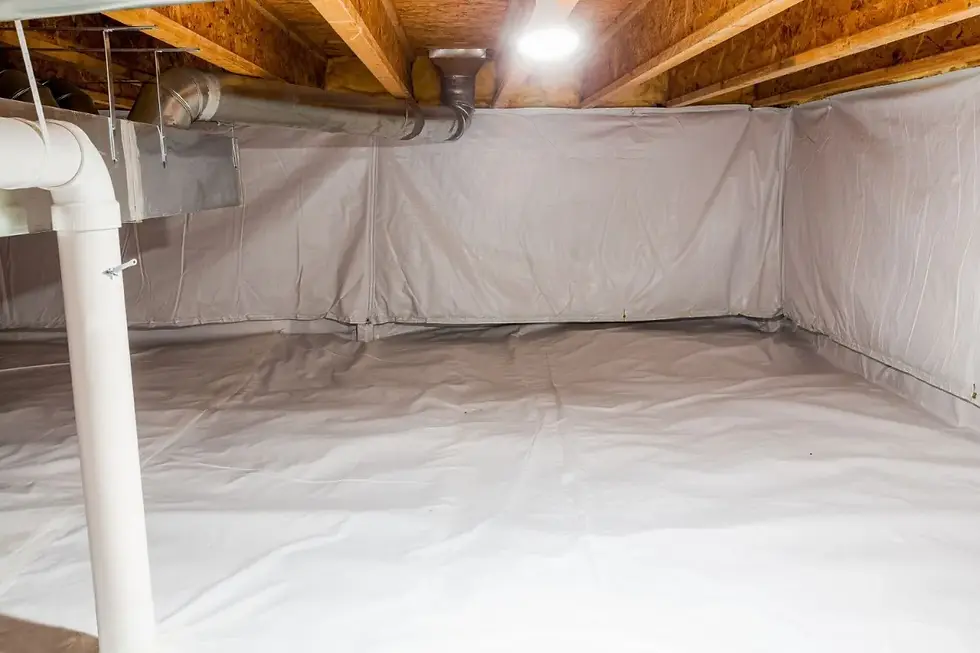
Missing or Damaged Vapor Barriers
Without a barrier, moisture from the soil rises freely into the basement.
Seasonal Weather Patterns
Spring rains, summer humidity, and winter thaw cycles all contribute to damp basements in Western Pennsylvania.
How to Prevent Floor Joists From Sagging Further
Stopping joist sagging requires addressing both moisture and structural support.
Reduce Basement Moisture Levels
Lowering moisture is the most important first step.
Improve exterior drainage
Extend downspouts away from the foundation
Seal foundation cracks
Control groundwater entry
In many cases, basement waterproofing is necessary to prevent ongoing moisture exposure.
Improve Basement Airflow
Better airflow helps dry out joists and prevent condensation.
Remove clutter blocking air movement
Improve circulation
Reduce indoor humidity
Repair or Replace Damaged Joists
Joists that have already weakened may need reinforcement or replacement. This often falls under structural repairs to restore proper load support.
Address Mold and Rot Safely
Mold and rot must be removed using proper containment to prevent spreading.
Fix Plumbing Leaks
Repair any leaking pipes or condensation issues near joists.
Install Proper Support Systems
Additional beams or supports may be required to prevent further sagging.
Problem to Solution
Problem: Floors feel bouncy or uneven
Solution: Inspect joists and address moisture exposure.
Problem: Joists show rot or mold
Solution: Reduce moisture and complete structural repairs.
Problem: Basement stays damp year-round
Solution: Improve drainage and install basement waterproofing.
Problem: Cracks appear in the walls above
Solution: Stabilize joists before damage spreads.
People Also Ask
Can wet basements really cause sagging floors?
Yes. Moisture weakens wood joists over time.
Are sagging joists dangerous?
They can be if left untreated, especially under heavy loads.
Does a dehumidifier fix joist problems?
It helps reduce humidity but does not stop water intrusion.
How long does it take for joists to rot?
Rot can begin within months if moisture remains constant.
FAQ
Can sagging joists be fixed?
Yes, especially when addressed early.
Should I worry if the floors only sag slightly?
Even minor sagging can indicate early structural damage.
Is this problem common in Pittsburgh homes?
Yes. Moisture and soil conditions make it common.
When should I call a professional?
If floors feel uneven, bouncy, or if joists show visible damage.
Protect Your Floors and Structural Integrity
Sagging floor joists are a clear sign that moisture from a wet basement is affecting your home’s structure. Addressing the problem early helps prevent further damage, safety risks, and costly repairs.
A Better Choice Inc. provides long-term solutions that control moisture and stabilize structural components. Call 1-800-343-2357 or fill out the online form to schedule a professional basement and structural evaluation. We proudly serve Pittsburgh, North Huntingdon, Irwin, and Westmoreland County.



Comments