
Why Are There Puddles Along My Basement Perimeter?

AI Summary
Puddles along basement walls usually indicate groundwater pressure or exterior drainage issues.
Western Pennsylvania soil and rainfall make perimeter water intrusion common.
These puddles are early warning signs of larger moisture problems.
Long-term solutions focus on drainage control and foundation protection.

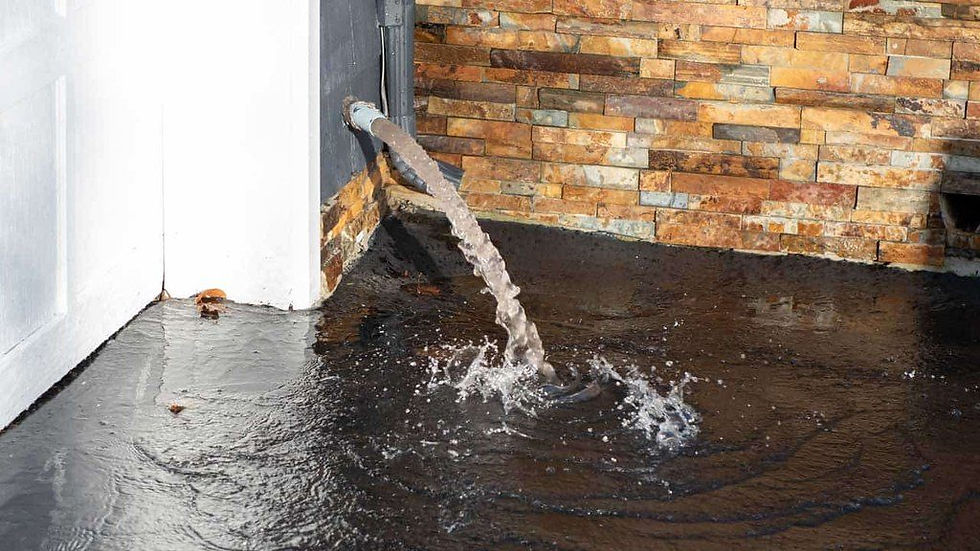
Finding puddles of water along the edges of your basement floor can be alarming. Many homeowners in Pittsburgh, North Huntingdon, Irwin, and throughout Westmoreland County notice water collecting where basement walls meet the floor, even when there is no visible leak from above. These perimeter puddles are rarely random and often point to specific moisture problems beneath or around the foundation.
Basement perimeter puddles are usually caused by groundwater pressure, poor drainage, or moisture moving through foundation materials. While the water may seem minor at first, it often signals conditions that can lead to mold growth, structural damage, and recurring basement flooding if not addressed.
This guide explains why puddles form along basement perimeters, how to identify the source, and what homeowners can do to stop the problem permanently.
What Basement Perimeter Puddles Mean
Water along the basement perimeter typically follows predictable patterns.
Water Appears at Wall Floor Joints
The seam where basement walls meet the floor is one of the weakest points in the foundation. When groundwater pressure rises, water is often forced through this joint.
Moisture After Rain or Snowmelt
If puddles appear after heavy rain or spring snowmelt, the source is almost always outside the home.
Repeating Water Patterns
Puddles that appear in the same locations indicate consistent pressure or entry points rather than random spills or leaks.
Why Basement Perimeter Puddles Are Common in Western Pennsylvania
Several regional factors increase the likelihood of this issue.
Clay Heavy Soil
Clay soil common in zip clusters like 15642, 15137, and 15644 absorbs water and holds it against foundation walls. This keeps pressure high around the basement.
Poor Natural Drainage
Clay soil drains slowly, allowing water to remain in contact with the foundation long after storms pass.
Rising Groundwater Levels
Seasonal groundwater rises during wet months, pushing water toward basement walls and floors.
Freeze Thaw Damage
Cracks formed during winter allow water to enter more easily once temperatures rise.
Common Causes of Perimeter Puddles
Several issues can cause water to collect along basement edges.
Hydrostatic Pressure
Hydrostatic pressure occurs when saturated soil pushes water toward the foundation. When pressure becomes high enough, water is forced through wall-floor joints and small cracks.
Poor Exterior Drainage
Water pooling around the foundation increases pressure inside the basement. Common drainage problems include:
Short or disconnected downspouts
Clogged gutters
Improper yard grading
Blocked exterior drains
Cracks in Foundation Walls or Floors
Even hairline cracks allow water to seep inside during heavy rain.
Porous Foundation Materials
Concrete and block walls naturally absorb moisture and allow vapor to pass through.
Blocked or Failing Drain Systems
Older homes may have clogged or deteriorated drainage systems that no longer redirect groundwater effectively.
Window Well Overflow
Basement window wells that fill with water allow moisture to leak along the perimeter areas.
How to Tell If Puddles Are Coming From Outside
Identifying the source helps determine the right solution.
Timing With Weather
Water that appears only after rain or snowmelt almost always comes from outside.
Location of Water
Perimeter puddles usually indicate groundwater pressure rather than plumbing leaks.
Lack of Plumbing Activity
If water appears when fixtures are not in use, the source is external.
Damp Walls or Efflorescence
White residue or dampness on walls near puddles signals moisture movement through masonry.
Why Perimeter Puddles Should Not Be Ignored
Even small puddles can lead to serious problems.
Mold Growth
Standing water increases humidity and creates ideal conditions for mold.
Damage to Flooring and Walls
Water can soak into drywall, flooring, and insulation.
Structural Stress
Repeated moisture exposure weakens foundation materials over time.
Increased Flooding Risk
Perimeter puddles often precede larger flooding events.
Poor Indoor Air Quality
Basement moisture affects air quality throughout the home.
Why Cleanup Alone Is Not Enough
Many homeowners try to manage puddles by drying the area, but this does not fix the cause.
Water Will Return
If groundwater pressure remains, puddles will continue to form.
Moisture Remains Behind Walls
Even when puddles dry, moisture may still be present inside foundation materials.
Hidden Damage Can Continue
Mold and material deterioration can occur out of sight.
How to Stop Basement Perimeter Puddles Long Term
Permanent solutions focus on relieving pressure and redirecting water.
Improve Exterior Drainage
Reducing water around the foundation is the first step.
Extend downspouts away from the home
Clean gutters regularly
Regrade the soil to slope away
Clear exterior drainage systems
Seal Cracks and Entry Points
Crack sealing helps reduce the amount of water entering the basement.
Address Groundwater Pressure
When water consistently pushes through wall-floor joints, basement waterproofing systems help capture and redirect groundwater before it reaches the basement floor.
Improve Interior Drainage
Interior drainage systems guide water toward controlled discharge points.
Monitor Sump Pump Performance
Ensure pumps are working properly and have backup power if needed.
Stabilize Foundation Weaknesses
If cracks widen or walls shift under pressure, structural repairs may be required to protect the foundation and prevent further moisture intrusion.
Problem to Solution
Problem: Puddles form after heavy rain
Solution: Improve drainage and relieve groundwater pressure.
Problem: Water appears along the basement edges
Solution: Install basement waterproofing to redirect water.
Problem: Cracks near puddles widen over time
Solution: Evaluate for structural repairs.
Problem: Musty odors increase
Solution: Reduce moisture and improve airflow.
People Also Ask
Why does water collect only at the basement edges?
Groundwater pressure forces water through the wall and floor joints.
Are perimeter puddles a sign of foundation failure?
They indicate moisture pressure, but not always failure.
Can perimeter puddles lead to flooding?
Yes. They often worsen if left untreated.
Does sealing cracks stop puddles?
It helps but does not relieve pressure on its own.
FAQ
Are basement perimeter puddles normal?
Common, but not normal, to ignore.
Can landscaping changes help?
Yes. Proper grading reduces water pressure.
Should I worry if puddles dry quickly?
Yes. Recurring moisture still indicates a problem.
When should I call a professional?
If puddles return after storms or spread to new areas.
Stop Basement Perimeter Puddles Before Damage Spreads
Puddles along your basement perimeter are a warning sign that water pressure is building around your foundation. Addressing the issue early helps prevent mold growth, structural damage, and future flooding.
A Better Choice Inc. provides long-term solutions that control groundwater and protect foundations from moisture damage. Call 1-800-343-2357 or fill out the online form to schedule a professional basement evaluation. We proudly serve Pittsburgh, North Huntingdon, Irwin, and Westmoreland County.



Comments