
Why Do Pittsburgh Basements Crack Every Winter?

AI Summary
Learn why basement walls and floors in Pittsburgh homes often crack during the winter months.
Understand how freeze-thaw cycles, soil expansion, and moisture buildup create pressure on foundation walls.
Discover the early warning signs homeowners should watch for as temperatures drop.
See how long-term solutions, such as structural repairs or waterproofing, can prevent recurring winter cracks.
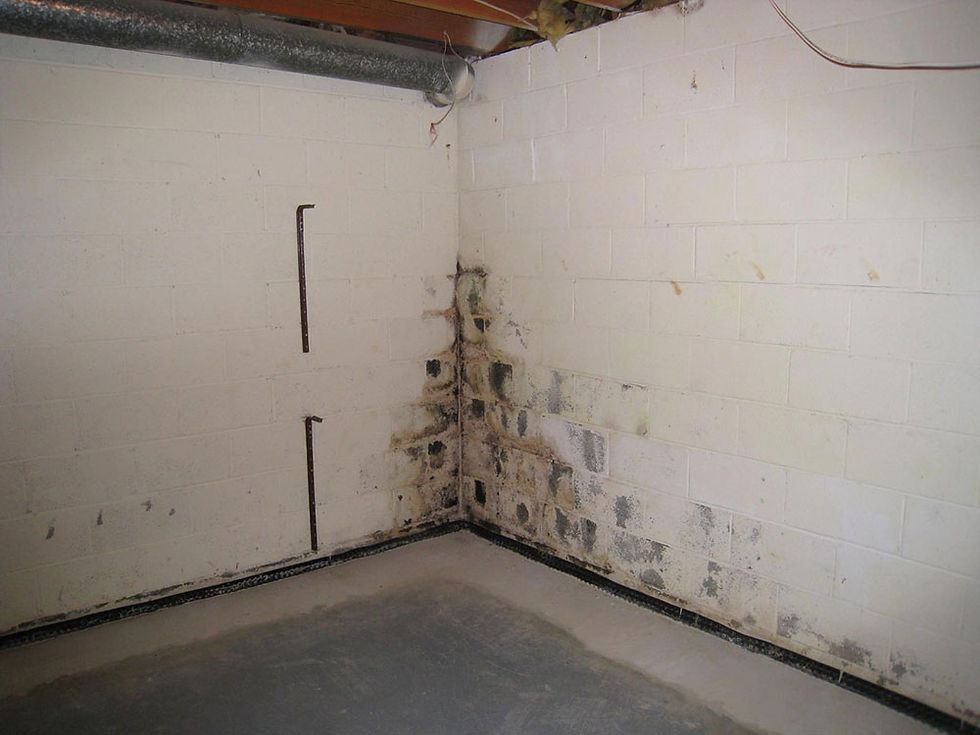
Why Do Pittsburgh Basements Crack Every Winter?
If your basement walls or floors develop new cracks every winter or old cracks grow larger when temperatures drop, you are not alone. Homeowners throughout Pittsburgh, North Huntingdon, Irwin, and Westmoreland County experience seasonal foundation cracking due to the region’s unique climate, soil composition, and moisture patterns. Winter brings a combination of freezing temperatures, soil expansion, and moisture changes that put significant stress on foundation walls.
While some small cracks may seem harmless at first, repeated cracking every winter is a sign that your foundation is under pressure. Over time, these cracks can lead to water intrusion, bowed walls, structural weakening, and long-term damage. Understanding why basements crack in winter is the first step toward protecting your home from ongoing seasonal issues.
This guide explains the causes behind winter basement cracks, the signs homeowners should watch for, and what long-term solutions help prevent damage year after year.
Why Basements Crack More Often in Winter
Pittsburgh’s climate and soil conditions create the perfect environment for winter foundation cracking. Here are the primary factors.
1. Freeze-Thaw Cycles
Winter temperatures in Western Pennsylvania frequently rise above and fall below freezing. Moisture inside the soil and foundation walls expands when frozen and contracts when thawed.
This expansion and contraction cycle causes:
New cracks to form
Existing cracks are to widen
Pressure against the basement walls
Soil shifting beneath the home
Repeated freeze-thaw cycles place stress on even strong concrete foundations.
2. Expanding Clay-Heavy Soil
Soil in neighborhoods within 15642, 15137, and surrounding zip clusters contains a high amount of clay. Clay absorbs water during warmer months, and when winter arrives, the moisture inside the soil freezes and expands.
As the soil expands, it exerts pressure against the basement walls. This pressure can:
Push walls inward
Create horizontal or diagonal cracks
Widen existing cracks
Cause long-term wall movement
In severe cases, the wall may bow or lean inward.
3. Hydrostatic Pressure Build-Up
Even in winter, rain and melting snow saturate the soil around the foundation. When water becomes trapped in the soil and freezes, it expands and increases pressure against the basement walls.
Hydrostatic pressure is one of the biggest contributors to recurring winter cracks.
4. Cold Weather Contraction of Concrete
Concrete naturally shrinks as temperatures drop. When the foundation contracts while the surrounding soil expands, the opposing forces create tension that leads to cracking.
The shift is subtle, but it happens every winter and gradually weakens the structure.
5. Groundwater Rising During Thaws
During warm spells or mid-winter rains, thawing snow creates excess groundwater. If your basement has cracks or weak spots, groundwater can seep in. In spring, this can lead to moisture issues that may require basement waterproofing.
6. Poor Drainage Around the Home
Improper drainage increases the amount of water that freezes near the foundation. This raises the soil’s moisture content, making freeze-thaw expansion even more intense.
Common drainage problems include:
Short downspouts
Clogged gutters
Negative yard grading
Blocked exterior drains
These issues force water to gather close to the basement walls.
7. Older Foundation Materials
Homes in Pittsburgh built with block walls or older concrete mixes are more vulnerable to winter cracking. Over time, these materials become more porous and more sensitive to freeze-thaw pressure.
8. Seasonal Humidity Changes
Winter air is dry, but moisture trapped inside the basement can freeze within cracks and joints. Homes with limited airflow may need better home ventilation systems to control indoor humidity and prevent moisture accumulation.
Early Warning Signs of Winter Foundation Cracking
Homeowners should monitor their basements closely during winter. Early signs of trouble include:
Horizontal Cracks
These cracks are often created by soil pressure pushing inward on foundation walls. They are more concerning than vertical cracks.
Diagonal Cracks at Corners
These often form near basement windows or wall corners when soil expands during freezing.
Cracks That Grow Wider in Winter
If cracks widen during cold months and shrink during warmer weather, freeze-thaw cycles are likely the cause.
Water Seepage During Thaws
Moisture appearing along cracks or floor joints after melting snow indicates structural gaps and pressure issues.
Bowing or Bulging Walls
If a wall curves inward during winter, it is reacting to expanding soil.
Cold Drafts or Musty Smells
Air moving through cracks allows cold air and moisture to enter the basement.
Popping Sounds in the Foundation
Small noises can indicate cracking or shifting during temperature changes.
Why You Should Not Ignore Winter Basement Cracks
Even small cracks can lead to significant problems over time.
Structural Weakening
Repeated cracking weakens the foundation, allowing soil pressure to cause more damage year after year.
Water Intrusion
Cracks allow water into the basement during winter thaws and spring rains.
Mold Growth
Moisture entering through cracks can create mold issues.
Reduced Property Value
Structural cracks, especially recurring seasonal ones, lower a home’s value and raise red flags for buyers.
Bowing Walls
If soil pressure is strong enough, the wall may begin to lean inward. This requires immediate attention.
How to Prevent Basement Cracks During Winter
Preventing winter basement cracks involves reducing soil pressure, improving drainage, and strengthening the foundation.
1. Improve Exterior Drainage
Better drainage keeps water away from the foundation, reducing freeze-related pressure.
This includes:
Extending downspouts
Cleaning gutters
Improving yard grading
Adding drainage systems
2. Seal Cracks Before Winter
Cracks sealed in the fall are less likely to widen during winter.
3. Install Proper Basement Waterproofing
If your basement leaks or absorbs moisture through walls or floors, waterproofing helps prevent water from reaching the foundation during freezes.
4. Reduce Hydrostatic Pressure
Installing drains or sump pumps helps prevent water from accumulating in the soil and freezing under pressure.
5. Stabilize the Foundation
Homes with bowing walls or severe cracks may need structural repairs to prevent winter movement.
6. Manage Indoor Basement Humidity
Reducing humidity prevents moisture from freezing inside cracks. Some homes benefit from improved home ventilation systems.
7. Address Soil Conditions
Clay-heavy soils often need drainage upgrades to prevent expansion.
Problem to Solution: Helping Homeowners Act Early
Problem: Winter cracks keep reappearing
Solution: Seal cracks and improve drainage before temperatures drop.
Problem: Walls bow or lean during cold weather
Solution: Schedule structural repairs before damage worsens.
Problem: Moisture enters during thaws
Solution: Install basement waterproofing for long-term protection.
Problem: Soil expands and cracks the foundation
Solution: Add exterior or interior drainage systems.
People Also Ask
Why do cracks get worse in winter?
Freezing water in the soil expands and increases pressure on foundation walls.
Are winter cracks dangerous?
They can be. Worsening cracks indicate structural strain.
Do concrete slabs expand or shrink in winter?
Concrete shrinks in cold temperatures, which can widen cracks.
Can waterproofing help prevent winter cracks?
Yes. Waterproofing helps reduce moisture in the soil, lowering freeze-related pressure.
FAQ Section
Should I repair cracks in winter?
Minor repairs can be done, but larger structural work is best handled during warmer months.
Are vertical cracks less serious?
Vertical cracks may be less concerning, but widening or shifting cracks need inspection.
What if cracks return every winter?
Recurring cracks indicate a foundation pressure issue that requires long-term correction.
When should I call a professional?
If cracks widen, water appears, or walls begin to shift.
Protect Your Basement Through Pittsburgh Winters
Winter cracking is a common problem in Western Pennsylvania, but it should never be ignored. Whether your basement walls are developing new cracks, widening cracks, or showing early signs of movement, A Better Choice Inc. can help identify the cause and prevent long-term structural damage.
Call 1-800-343-2357 or fill out the online form to schedule a professional foundation assessment. A Better Choice Inc. proudly serves Pittsburgh, North Huntingdon, Irwin, and Westmoreland County with trusted waterproofing and foundation repair services.



Comments