
Why Does My Basement Leak Only in Spring Months?

AI Summary
Learn why basements leak more often during the spring months in Western PA.
Understand how snowmelt, rising groundwater, and heavy spring rain overwhelm older foundations.
Discover what seasonal moisture signs reveal about your home’s drainage and foundation condition.
See when homeowners may need basement waterproofing or structural repairs.

Why Does My Basement Leak Only in the Spring Months?
Many homeowners in Pittsburgh, North Huntingdon, Irwin, and throughout Westmoreland County notice that their basement leaks appear mostly in the spring. Months may pass without a single drop of water entering the home, but once the weather warms, the basement floor, walls, or corners begin getting damp again. Some homeowners notice small puddles, while others experience seepage, musty smells, or increased humidity during April, May, and early June.
Spring basement leaks are incredibly common in Western Pennsylvania. The region’s weather patterns, clay-heavy soil, groundwater activity, and freeze-thaw cycles all combine to create the perfect storm for water intrusion during these months. A basement that leaks only in spring is usually reacting to environmental pressures that change with the season.
This guide explains why seasonal basement leaks happen, what conditions make spring months especially risky, and how homeowners can prevent moisture from damaging their homes long-term.
Why Basements Leak During Spring
There are several unique environmental factors that come together in spring, especially in zip clusters like 15642, 15644, 15137, and 15221. These factors create higher moisture levels around the foundation than at any other time of the year.
1. Melting Snow Increases Ground Saturation
Spring temperatures melt the snow and ice that built up during winter. All of that water collects in the soil surrounding the home. Clay-rich soil absorbs water slowly, which causes the ground to remain saturated for long periods.
When soil becomes oversaturated, water pushes against basement walls and finds its way inside through:
Cracks
Mortar joints
Floor-wall seams
Window wells
This rise in moisture pressure makes spring the peak season for leaks.
2. Heavy Spring Rainfall
Western PA receives significant rainfall during the spring months. These storms often overlap with melting snow, doubling the amount of moisture around the home. When the soil cannot absorb the rainwater fast enough, moisture seeps toward the foundation.
Many older homes in Pittsburgh and Westmoreland County were built before modern drainage standards, making them especially vulnerable in spring.
3. Rising Groundwater Levels
As the soil warms and snowmelt mixes with ongoing rainfall, groundwater levels rise. When the groundwater reaches the height of the basement floor, leaks appear even if the foundation has no major cracks.
This is how many homeowners get surprised by leaks only in spring.
4. Freeze-Thaw Damage from Winter
Winter weather causes small cracks in foundations to expand through repeated freezing and thawing. The cracks may be too small to leak during winter, but once spring rains arrive, water easily enters through these weakened areas.
Homeowners often report new leaks in the exact locations where cracks changed over the winter.
5. Poor Exterior Drainage Revealed by Spring Weather
During spring, homeowners first begin using gutters and drainage systems after months of winter inactivity. Gutters may be:
Clogged with leaves
Cracked from ice
Pulled loose
Full of winter debris
If downspouts release water too close to the house, moisture pools and begins seeping inside.
6. Soil Expansion Around the Foundation
Clay-heavy soil expands when saturated. This expansion increases pressure against the basement walls, a condition called hydrostatic pressure. When the pressure becomes too high, water forces its way inside through even the smallest gaps.
Homes in neighborhoods with dense clay soil commonly experience leaks only during rainy spring months.
7. Window Wells Overflowing
Winter snow and spring rain can accumulate in basement window wells. When window wells overflow, water pushes through the window frame or the surrounding concrete.
8. Condensation and Humidity Increases
In spring, humidity rises while basement walls remain cold from winter. This combination causes condensation on walls and floors, creating the appearance of leaks even when no physical water source is visible.
This is a common issue in basements with poor airflow that may benefit from home ventilation systems.
Signs Your Spring Basement Leak Is a Foundation Issue
Seasonal leaks can indicate a deeper issue with the structure or drainage system.
Watch for:
Water stains that spread during each spring storm
Cracks that widen after winter
Efflorescence (white powder) on concrete
Bowed or bulging walls
Musty or damp smells that return annually
Puddles forming where two walls meet
Moisture creeping up from the floor
If structural movement is present, structural repairs may be necessary to stabilize the foundation.
Why You Should Not Ignore Spring Basement Leaks
Even if leaks occur only for a few months, they can still cause significant long-term damage.
Ongoing Structural Weakening
Moisture erodes mortar joints, expands cracks, and increases inward pressure on the foundation.
Mold Growth During Humid Months
Spring leaks create the perfect conditions for mold to grow once summer humidity arrives.
Damage to Stored Items and Flooring
Cardboard boxes, furniture, insulation, and carpeting absorb moisture easily.
Reduced Home Value
A leaking basement, even seasonally, can reduce resale price and make selling more difficult.
Long-Term Foundation Movement
Continuous hydrostatic pressure during spring can cause walls to settle or bow.
How to Prevent Spring Basement Leaks
The best prevention method depends on the exact source of the water. Here are the most effective solutions for Western PA homes.
1. Improve Exterior Drainage
Correcting drainage often stops spring leaks entirely. This includes:
Extending downspouts
Cleaning gutters
Regrading soil away from the foundation
Clearing debris around the home
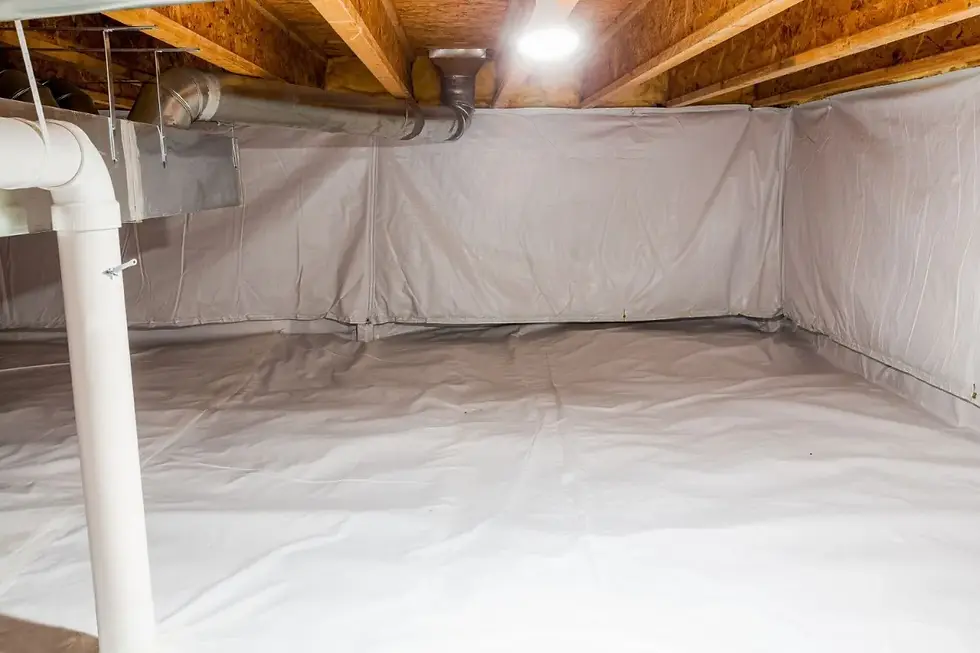
2. Install or Upgrade Basement Waterproofing
If water consistently enters through walls or floors during spring, basement waterproofing provides long-term protection. Waterproofing helps redirect water away from the foundation and prevents seepage.
3. Seal Foundation Cracks
Foundation cracks created by winter freeze-thaw cycles should be sealed before snowmelt begins.
4. Add a French Drain or Yard Drainage System
Homes in low-lying or clay-heavy areas often need a French drain to manage water buildup around the foundation.
5. Maintain Sump Pump Systems
Spring storms overwhelm many sump pumps. Ensure the pump is:
Clean
Functional
Properly sized
Equipped with a backup system
6. Install or Upgrade Ventilation
If condensation is causing spring moisture, better airflow from home ventilation systems helps reduce humidity.
7. Schedule a Foundation Inspection
If leaks appear alongside cracks, shifting walls, or uneven floors, the home may need structural repairs to prevent further movement.
Problem to Solution: Helping Homeowners Act Early
Problem: Basement leaks appear every spring
Solution: Add basement waterproofing to block seasonal moisture.
Problem: Cracks widened after winter
Solution: Evaluate the home for structural repairs and seal the affected areas.
Problem: Condensation increases as temperatures rise
Solution: Improve airflow with upgraded home ventilation systems.
Problem: Water pools around the home
Solution: Correct drainage and add proper runoff systems.
People Also Ask
Why does my basement leak only in certain months?
Seasonal changes in moisture, rainfall, and groundwater influence leak patterns.
Is it normal for basements to leak after snowmelt?
Yes, but it is a sign that water is not draining properly.
Does winter cause foundation cracks?
Yes. Freeze-thaw cycles create cracks that leak in spring.
Will summer dry out the basement?
Moisture may evaporate, but the source of the leak remains.
FAQ Section
Should I waterproof my basement if it leaks only in spring?
Yes. Seasonal leaks still indicate structural or drainage problems.
Can spring leaks cause mold?
Absolutely. Moisture in spring often leads to summer mold growth.
Is gutter cleaning enough to fix spring leaks?
Sometimes, but often, drainage improvements or waterproofing are needed.
When should I call a professional?
If leaks happen annually or worsen over time.
Stop Spring Basement Leaks for Good
Seasonal moisture in spring is a clear sign that water is entering your home from outside pressure, drainage problems, or foundation weaknesses. A Better Choice Inc. provides long-term solutions that stop seasonal leaks and protect your home year after year.
Call 1-800-343-2357 or fill out the online form to schedule your free inspection. A Better Choice Inc. proudly serves Pittsburgh, North Huntingdon, Irwin, and Westmoreland County with trusted waterproofing and foundation solutions.



Comments