
Does a Crawl Space Need a Sump Pump?

A crawl space needs a sump pump when liquid water collects in it, such as puddles after rain, a wet floor in spring, or a crawl space dug lower than the yard outside. A crawl space that is only damp or humid usually needs moisture control, not a pump. The Department of Energy's Building America Solution Center advises installing a crawl space sump pump in the low-lying areas of the crawl space floor so it can carry away any water that accumulates, and it pairs that with fixing outside drainage first.
The building code already treats a low crawl space in wet ground as a drainage problem. The International Residential Code, Section R408.6, lets the crawl space floor sit at the bottom of the footings, but where there is evidence the groundwater table can rise to within 6 inches of the finished floor at the building perimeter, or surface water does not readily drain from the site, the grade in the under-floor space must be as high as the outside finished grade unless an approved drainage system is provided. That is the 2012 IRC wording, and InterNACHI's guide to the 2024 IRC describes the same rule. Below, we cover when a pump is the right call, when it is not, how it fits with a vapor barrier or encapsulation, and what to fix outside first.

What is a crawl space sump pump?
A crawl space sump pump is a pump set in a pit at the lowest point of a crawl space that switches on when water fills the pit and pushes it out of the house through a discharge line. It removes liquid water but does not dry humid air or stop water vapor from rising out of bare soil.
The DOE Building America Solution Center describes the typical setup for an existing crawlspace:
A plastic pit 2 to 3 feet deep, perforated with holes drilled in the bottom
A gasketed, tight-fitting lid
Discharge to daylight or a drywell, away from the foundation
When does a crawl space need a sump pump?
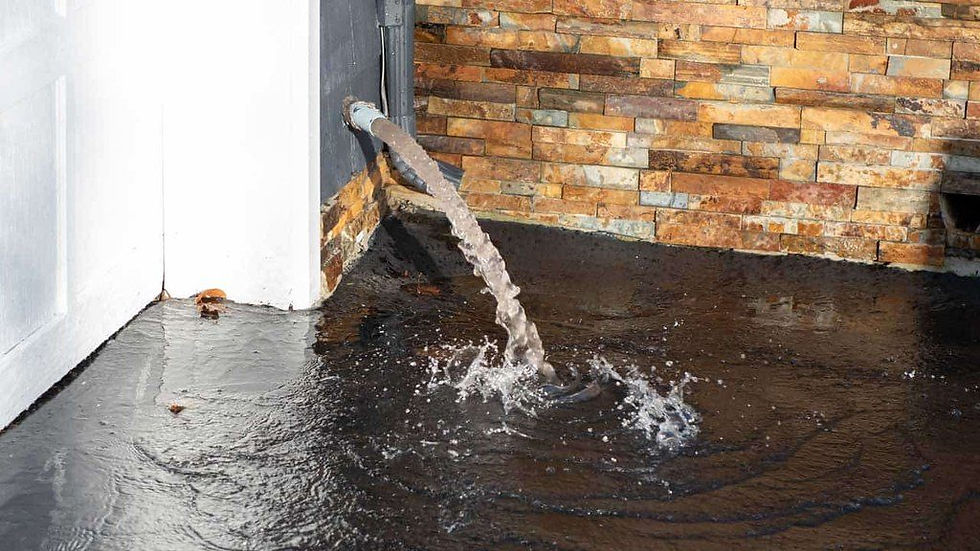
Standing water in a crawl space is the clearest sign. If you can see puddles, a wet vapor barrier with water pooled on top, or mud where the soil should be dry, water is getting in faster than it can drain away.
A pump is usually worth considering when:
Water stands in the crawl space for days after rain or snowmelt.
The crawl space floor sits lower than the soil outside, so water flows in from the sides.
The water table rises in wet seasons and pushes up through the floor.
You plan to seal or encapsulate the crawl space and want a way to remove any water that still gets in.
Point 2 is exactly the case R408.6 addresses. When the inside floor is lower than the outside grade and the site holds water, the code calls for either raising the inside grade or providing an approved drainage system. A sump pit tied to drainage is one common way to provide that drainage, though your municipality's building department decides what it approves.
Western Pennsylvania weather keeps this question alive. NOAA's 1991 to 2020 climate normals for Pittsburgh International Airport show 39.61 inches of precipitation and 44.1 inches of snowfall a year, so crawl spaces here see plenty of spring melt and rain.
When a crawl space does not need a sump pump
Many crawl space problems are about moisture in the air and soil, not flowing water. Musty smells, condensation on ductwork, damp insulation or mold on floor joists can all happen in a crawl space that never has a puddle. A pump cannot help there, because there is no water in the pit for it to move.
For a dry but damp crawl space, the fixes usually involve the ground cover, air sealing, and humidity control. Our post on the signs of moisture in your crawl space walks through what to look for, and how crawl space moisture damages a home over time, explaining why it matters even without standing water.
How does a sump pump fit with a vapor barrier or encapsulation?
A vapor barrier covers the soil so moisture cannot rise into the crawl space. A sump pump removes liquid water that gets under or on top of that barrier. In a wet crawl space, the two work together.
The IRC's unvented crawl space option, Section R408.3, calls for exposed earth to be covered with a continuous Class I vapor retarder, with joints overlapped 6 inches and sealed or taped, and edges run at least 6 inches up the stem wall and attached and sealed. That is the 2012 IRC wording. The DOE Building America Solution Center recommends 6 mil or thicker polyethylene covering the whole floor, running up the walls and piers 8 to 12 inches or preferably to the exterior ground level, with seams overlapped 6 to 12 inches and taped.
If water collects under a sealed liner, it has nowhere to go. That is why wet crawl spaces often get a pit and pump before, or along with, a liner. To compare approaches, see whether you should vent or encapsulate your crawl space and what crawl space encapsulation is and why Western PA homeowners use it.
Seal the sump lid
The Building America Solution Center says a sump pit should have an airtight cover for indoor air quality, because an open sump can let soil gases into the home, including radon, water vapor, herbicides, and termiticides. It recommends a tight-fitting, gasketed cover that is mechanically fastened.
Should you fix exterior drainage before adding a pump?
In most cases, yes. The DOE Building America Solution Center says water drainage and moisture problems in and around the crawlspace must be dealt with before sealing work, including regrading the ground so it slopes away from the house and making sure gutters and downspouts carry rainwater away from the foundation.
Its downspout guidance gives specific targets:
Discharge downspouts at least 5 feet from the foundation, or underground at least 10 feet away
Slope the ground away at least 1/2 inch per foot for the first 10 feet
Where the pump sends its water matters too. The Solution Center warns that depositing sump outflow next to the foundation simply recycles water in and out through the foundation drainage. It says the outflow should go to a storm sewer, if your municipality permits it, or to a dry well away from the foundation. Check with your township or borough before tying into any sewer.
If the crawl space dries out after gutters, downspouts and grading are fixed, you may not need a pump at all. If water still rises from below or seeps in from the sides, a pump is the next step.
What code rules apply to crawl space drainage in Pennsylvania?
Pennsylvania adopted the 2021 International Codes effective January 1, 2026, as reported by the law firm Cohen Seglias. The IRC's Section R408 covers the under-floor space, including ventilation, unvented crawl spaces, removal of debris and finished grade. Section R408.5, in the 2012 text, requires the under-floor grade to be cleaned of all vegetation and organic material.
How these sections apply to an existing home, and whether a sump, drain or regrading project needs a permit, can vary by municipality. Call your local code office before work begins, and use a contractor who can explain what the job requires.
FAQ
Should a crawl space have a sump pump?
Only if liquid water collects there. A crawl space that floods or holds puddles after rain benefits from a pump, while one that is simply humid needs moisture control instead.
What causes standing water in a crawl space?
Common sources are roof water from short downspouts, ground that slopes toward the house, a rising water table, and a crawl space floor set lower than the outside grade. Plumbing leaks can also cause it, so check pipes before assuming it is groundwater.
What size sump pump do I need for a crawl space?
Size it to how fast water collects and how high the pump must lift it to the discharge point. Manufacturer performance tables show flow at each height of lift, and that number matters more than horsepower.
Where should the sump pit go in a crawl space?
At the lowest point. The DOE Building America Solution Center recommends placing sump pumps in the low-lying areas of the crawlspace floor where water accumulates.
Can I put a vapor barrier over standing water?
Covering water traps it. Deal with the source and remove the water first, then install the barrier, with a pit and pump if water keeps returning.
Does a crawl space sump pump need a cover?
Yes. The Building America Solution Center recommends an airtight, gasketed, mechanically fastened cover to keep soil gases and moisture out of the house.
Where should a crawl space sump pump discharge?
Away from the foundation, to daylight, a dry well, or a storm sewer only where your municipality allows it. Water dumped beside the house tends to come right back in.
Talk to A Better Choice, Inc. About Water Under Your Home
A Better Choice, Inc. has helped more than 26,000 customers in the Greater Pittsburgh area since 1996. We fix wet basements and improve ventilation through our basement waterproofing and home ventilation systems services, and a free inspection is a good way to find out where the water is coming from and what your options are.
Visit A Better Choice, Inc. or call 1-800-343-2357 today. Contact us for more information.



Comments