
How Can I Prevent Water From Pooling in My Yard?

AI Summary
Learn why water pools in Western PA yards and how it leads to foundation issues, soggy soil, and drainage problems.
Understand common causes such as poor grading, clay soil, and gutter runoff.
Discover early warning signs that your home may be at risk from pooling water.
See when to consider basement waterproofing or structural repairs for full protection.

How Can I Prevent Water From Pooling in My Yard?
Yard pooling is a common issue in Pittsburgh, North Huntingdon, Irwin, and many neighborhoods throughout Westmoreland County. Heavy rainfall, clay-heavy soil, uneven grading, and aging drainage systems all contribute to standing water that lingers long after storms. At first, pooling water may look like a simple inconvenience, but it can cause serious long-term problems for your home and foundation.
When water collects near the home, it saturates the soil and creates pressure against foundation walls. Over time, this can lead to basement leaks, mold growth, foundation cracks, and sinking or shifting structures. Yard drainage problems are especially common in Western Pennsylvania due to the region’s high rainfall, hilly terrain, and dense clay soil that drains slowly. Homes across zip clusters like 15642, 15644, 15221, and 15137 experience these issues frequently.
This guide explains why water pools in your yard and how to fix it with long-term, practical solutions that protect both your home and your property.
Why Water Pools in Western PA Yards
Several factors contribute to water pooling. In many cases, more than one problem is present.
1. Poor Grading Around the Home
Yards should slope away from the foundation to carry water downhill. However, many older homes have flat or negative grading that directs water toward the structure instead of away from it. Over time, soil settles and creates dips where water accumulates.
Poor grading often leads to:
Basement seepage
Water stains on foundation walls
Long-term soil saturation
If pooling water leads to moisture intrusion, basement waterproofing may be necessary.
2. Clay-Heavy Soil
Much of Western Pennsylvania has clay-rich soil that absorbs water slowly but holds onto it for long periods. When storms arrive, the soil becomes oversaturated quickly and cannot drain efficiently, causing water to pool.
Clay-heavy soil also increases hydrostatic pressure, which places stress on basement walls.
3. Clogged or Poorly Placed Downspouts
Downspouts that empty near the house deposit large amounts of water directly into the soil surrounding the foundation. If gutters overflow or become clogged, water spills over the edges and saturates the ground.
Signs include:
Erosion near the home
Wet mulch beds
Water pooling under downspout extensions
4. Low-Lying Areas in the Yard
Some yards have natural depressions where water collects. These areas become swampy and slow to dry after storms.
5. Compacted Soil
Over time, foot traffic, lawn equipment, or heavy clay compresses the soil. Compacted soil drains poorly and encourages standing water.
6. Failing or Missing Drainage Systems
Older Pittsburgh homes often lack French drains, swales, or proper runoff channels. Without these systems, stormwater has nowhere to go and collects near the home.
7. High Water Table Levels
Certain neighborhoods experience rising groundwater during rainy seasons. This causes water to pool on the surface, especially in flat areas or near streams and low-lying land.
Signs That Pooling Water Is Affecting Your Home
Water in the yard does not stay outside. It often finds a way to impact the home.
Watch for:
Wet basement walls
Water seeping in after storms
Musty smells inside the home
Mold or mildew
Cracks in the foundation
Soil erosion near the house
Sump pump running constantly
If pooling water leads to foundation issues, structural repairs may eventually be needed.
Why Preventing Pooling Water Is Essential
Standing water is not just an eyesore. It can cause long-term damage, including:
Moisture Intrusion
Saturated soil pushes water against basement walls, increasing the risk of leaks.
Foundation Weakening
Hydrostatic pressure stresses block and concrete walls, which may crack or bow inward.
Mold Growth
Moisture near the home can migrate into basements, crawl spaces, or wall cavities.
Yard Damage
Plants, grass, and landscaping struggle to survive in persistently wet soil.
Pest Attraction
Mosquitoes, termites, and rodents thrive in damp environments.
How to Prevent Water From Pooling in Your Yard
Fixing drainage issues requires identifying the cause and applying the correct solution. Below are the most effective approaches for Western PA homes.
1. Improve Grading Around the Foundation
Ensuring the ground slopes away from the home is one of the most important steps. Homeowners should aim for a slope of at least six inches over ten feet. This directs water away from the foundation and prevents soil saturation.
2. Extend Downspouts
Downspout extensions help move water away from the home’s base. Extensions should carry water at least 6 to 10 feet from the foundation.
3. Clean and Maintain Gutters
Clogged gutters overflow and dump water near the foundation. Cleaning gutters two to four times a year helps prevent pooling and protects the basement walls.
4. Add French Drains
French drains collect and redirect water underground. These systems work well in clay-heavy areas where water collects frequently.
5. Install a Swale
A swale is a shallow channel that redirects water from low areas to proper drainage paths. It is one of the most effective solutions for yards with uneven terrain.
6. Aerate Compacted Soil
Aeration loosens compacted soil, improving drainage and allowing water to soak into the ground more evenly.
7. Create a Rain Garden
Rain gardens help hold and absorb stormwater naturally. They work especially well in flat or low-lying areas prone to pooling.
8. Waterproof the Basement
If water pooling affects your basement or crawl space, basement waterproofing may be required to stop moisture from entering.
9. Install a Yard Drainage System
Catch basins, underground piping, and channel drains help remove excess water and carry it to a safe discharge point.
10. Improve Ventilation in Damp Crawl Spaces
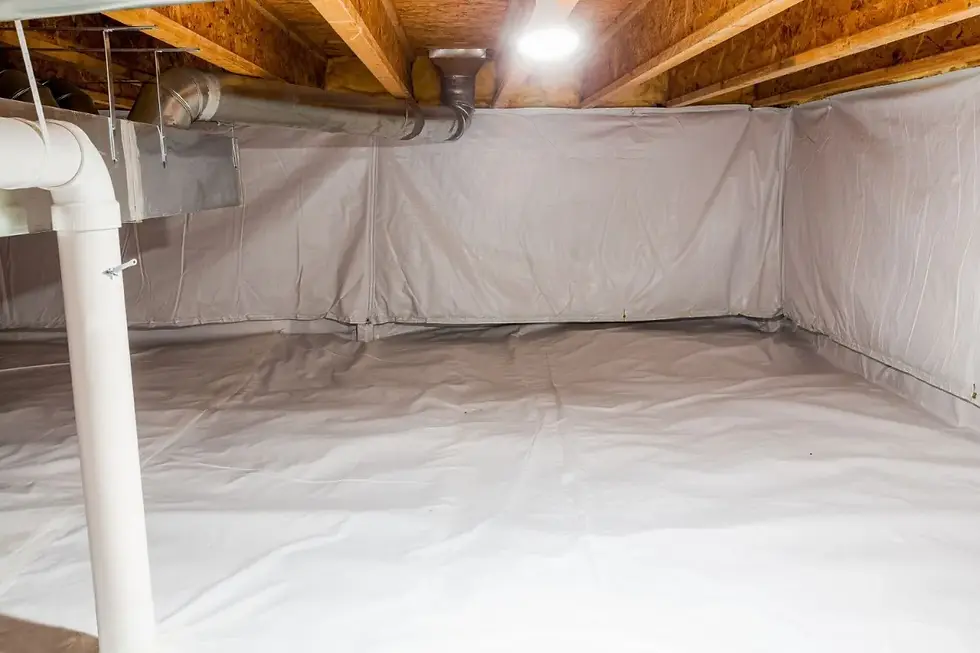
If yard pooling causes humidity or moisture beneath the home, adding or upgrading home ventilation systems helps keep air flowing and prevents mold growth.
Problem to Solution: Helping Homeowners Act Early
Problem: Water collects near the foundation during storms
Solution: Improve grading and install drainage systems.
Problem: Moisture enters the basement
Solution: Add basement waterproofing for long-term protection.
Problem: Humidity rises indoors after storms
Solution: Upgrade home ventilation systems to control moisture.
Problem: Cracks appear in the basement walls
Solution: Schedule structural repairs to stabilize the foundation.
People Also Ask
Why is my yard always wet after rain?
Poor drainage, clay soil, and improper grading are the most common causes.
Will standing water damage my foundation?
Yes. Pooling water increases hydrostatic pressure and can cause cracks.
Can I fix drainage issues myself?
Minor fixes are possible, but major drainage problems need professional solutions.
Does waterproofing stop yard pooling?
No, but it prevents water from entering the home while drainage is corrected.
FAQ Section
How long do drainage improvements last?
Well-installed systems can last decades with minimal maintenance.
When should I call a professional?
Any time water collects near your foundation or repeatedly enters the basement.
Can downspout extensions solve yard pooling?
They help, but are not a full solution for low-lying or clay-heavy yards.
Is pooling water dangerous?
Yes. It can damage your foundation and attract pests.
Protect Your Home with Long-Term Drainage Solutions
Water pooling in your yard is a sign that your drainage system needs attention. Whether the issue is caused by clay-heavy soil, poor grading, or failing drains, A Better Choice Inc. provides long-term solutions that protect your yard, basement, and foundation.
Call 1-800-343-2357 or fill out the online form to schedule your inspection. A Better Choice Inc. proudly serves Pittsburgh, North Huntingdon, Irwin, and Westmoreland County with trusted waterproofing and foundation services.



Comments