
What Is a French Drain and Does Your Basement Need One?

Key Takeaway
A French drain is a gravel-filled trench system designed to redirect groundwater away from your foundation before it can enter your basement.
Western PA's freeze-thaw cycles can widen small foundation cracks into active leaks, making proper drainage critical for homeowners in the region.
French drains work best when paired with other waterproofing measures like sump pumps and vapor barriers for complete basement protection.
A professional inspection is the only reliable way to determine whether a French drain or another waterproofing solution is right for your home.

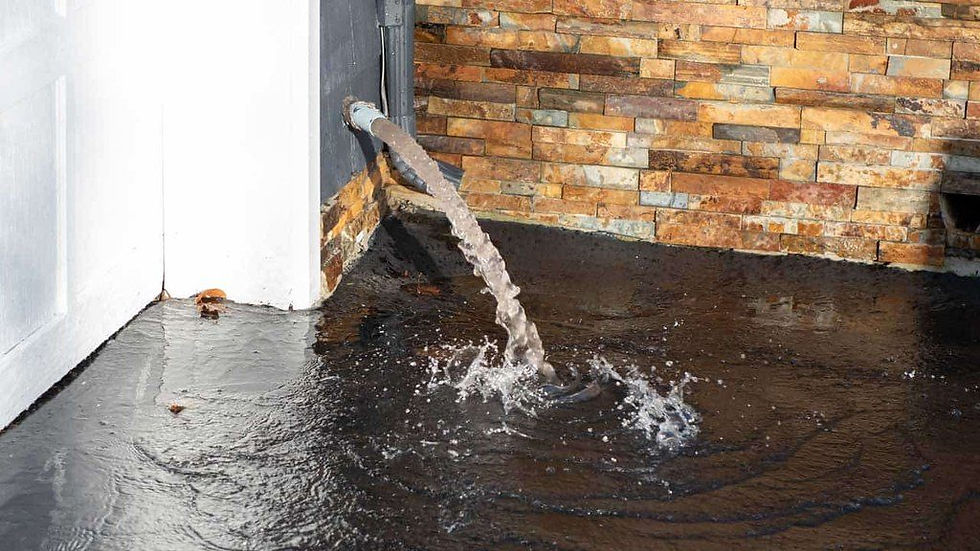
You walk downstairs on a rainy April morning and find water pooling along the base of your basement wall. The carpet squishes underfoot, the air smells like mildew, and you have no idea how long the moisture has been seeping in. If this sounds familiar, you are not alone. Wet basements are one of the most common and costly problems facing homeowners across Western Pennsylvania, and in many cases, the water follows a predictable path directly through the soil around your foundation.
The problem rarely fixes itself, and ignoring it only gives water more time to weaken your foundation, damage your belongings, and encourage mold growth. If you have been searching for a lasting solution, options like French drains and other basement waterproofing systems are worth understanding in full. Homeowners throughout North Huntingdon, PA and the surrounding communities have trusted these systems for decades, and knowing how they work can help you make a confident, informed decision.
What a French Drain Does for a Wet Basement
French drains are a time-tested waterproofing approach to managing groundwater before it finds its way through your walls or floor. At its core, a French drain is a trench filled with gravel and a perforated pipe that collects water moving through the soil and channels it away from your foundation. Depending on your home's layout, the system can be installed along the exterior perimeter of your foundation, along the interior perimeter of your basement floor, or both.
The goal is to intercept water at its source rather than waiting for it to appear inside your living space. An interior French drain, sometimes called a perimeter drain, is installed beneath your basement floor and routes collected water to a sump pump that discharges it safely away from the house. An exterior system intercepts surface and subsurface water before it ever reaches the foundation wall. Both approaches solve a real problem, but the right choice depends on your soil, your grading, and how water is currently entering your home.
Interior vs. Exterior French Drains: Understanding Your Options
When a waterproofing specialist evaluates your basement, one of the first decisions involves whether an interior or exterior system makes more sense for your situation.
Interior French drains are less disruptive to install, work in all seasons, and are often the most practical solution for existing homes with finished or semi-finished basements.
Exterior French drains offer excellent protection when installed during new construction or major renovation, but digging down to the foundation footing on an existing home requires significant excavation.
Combined systems pair an interior drain with a sump pump and sometimes a vapor barrier, addressing both active leaks and humidity to protect your basement year-round.
In Greensburg, Irwin, and other communities across Western Pennsylvania, many older homes were built before modern waterproofing standards were widely adopted. That makes an interior perimeter drain paired with reliable sump pump installation one of the most common and effective solutions for keeping basements dry without a full exterior excavation. For a closer look at what the full installation process involves, The Process of Basement Waterproofing: What to Expect walks through each stage in detail.
Signs Your Basement May Need a French Drain
Not every damp basement requires a French drain, but several warning signs suggest your home's drainage is failing and that a more permanent solution is overdue.
Watch for these indicators:
Water stains, rust marks, or white mineral deposits along the base of your walls
Standing water or wet spots on your basement floor after heavy rain
Cracks in your foundation walls or floor, especially horizontal or stair-step cracks
A persistent musty odor even when the basement appears dry
Efflorescence, the chalky white residue left behind as water evaporates through concrete
Western PA's winter weather compounds these issues significantly. Pittsburgh-area building codes require foundation footings to sit below the 36-inch frost line, and when older foundations fall short of that depth, the repeated freeze-thaw cycles each winter push and pull at the concrete, widening hairline cracks into active leaks over several seasons. If your home sits in Monroeville, Murrysville, or any nearby community with clay-heavy soil, hydrostatic pressure builds quickly after heavy rains and snowmelt, making proper drainage even more critical.
Foundation repair may also be necessary alongside waterproofing, which is why a thorough inspection matters. Learn more about Foundation Repair options if you are also noticing structural concerns. And if you have already dealt with a flooded lower level, Basement Flooding After Heavy Rain: Prevention Tips for Western PA can help you understand what steps to take while you plan a long-term fix.
Costs, Timelines, and What to Expect
Pricing for a French drain system varies based on several factors, including the size of your basement, whether you need interior or exterior installation, the condition of your existing foundation, and whether additional repairs are needed. Because every home presents a unique set of conditions, the only way to get an accurate estimate is through a professional on-site evaluation.
Interior French drain installation is typically completed in one to two days for most residential basements, causing minimal disruption to your home. Exterior work takes longer due to excavation requirements. The investment is meaningful, but it protects your home's structural integrity and resale value in a region where wet basements are a recurring reality.
French drain basement waterproofing is not a one-size-fits-all product. The materials, depth, and drainage routing all depend on your specific foundation type, soil conditions, and water entry points, which is exactly why a professional assessment matters before any work begins.
Why North Huntingdon, PA Homeowners Trust A Better Choice, Inc.
Serving Western Pennsylvania homeowners since 1996, the team at A Better Choice, Inc. has evaluated and resolved thousands of wet basement situations across the region, from North Huntingdon and Irwin to Pittsburgh and Greensburg. As a family-owned business with nearly three decades of hands-on experience, our technicians understand the specific soil conditions, seasonal pressure patterns, and foundation types common to this area, and they know which solutions actually hold up over time.
Every recommendation starts with a thorough inspection, not a sales pitch. Our team identifies where water is entering, what is driving it there, and which combination of drainage, waterproofing, and repair solutions will deliver reliable results for your specific home.
People Also Ask
How do I know if I need a French drain or a sump pump?
These two systems often work together rather than as alternatives. A French drain collects and routes water toward a low point, while a sump pump removes that collected water from your home. Many Western PA basements benefit from both working as a combined system rather than relying on one alone.
How long does a French drain last?
A properly installed interior French drain typically lasts 30 to 50 years with minimal maintenance. The perforated pipe can become clogged with silt or root intrusion over time, so periodic inspection is worthwhile. Professional installation using quality materials significantly extends the life of the system.
Is a French drain worth the investment for a basement?
For homes with recurring water intrusion, a French drain is one of the most cost-effective long-term solutions available. It protects your foundation, prevents mold growth, and preserves your home's resale value. The cost of installation is generally far lower than the cost of repeated flood damage, remediation, and foundation repair.
Can a French drain be installed in an existing finished basement?
Yes, interior French drains can be installed in finished basements, though the process requires removing a section of the concrete floor along the perimeter. A professional crew can complete this work efficiently, and the floor is restored after installation. Most homeowners find the disruption manageable given the long-term protection gained.
FAQ
Do I need to maintain a French drain after it is installed?
Interior French drain systems require very little routine maintenance. It is a good idea to have the system inspected periodically and to ensure your sump pump is tested regularly, especially before the wet spring season. Your installer can walk you through any specific maintenance steps for your system.
Will a French drain solve all of my basement water problems?
A French drain addresses groundwater and hydrostatic pressure, which are among the most common causes of wet basements in Western PA. However, if water is entering through above-grade cracks or improper grading, additional repairs may be needed. A full inspection helps identify every water entry point so the solution is comprehensive.
How disruptive is the installation process?
Interior French drain installation typically takes one to two days for a standard residential basement. The crew removes a narrow section of concrete along the perimeter, installs the drainage system, and restores the floor. Most homeowners can remain in the house throughout the process with minimal interference to daily routines.
Does a French drain help with humidity and musty odors in the basement?
By removing standing water and reducing moisture infiltration through the walls and floor, a French drain significantly reduces the conditions that cause musty odors and high humidity. Pairing the drain with a vapor barrier or dehumidifier provides even more complete humidity control for finished or frequently used basement spaces.
Ready to Stop Fighting a Wet Basement? Let's Talk.
With nearly three decades of experience serving North Huntingdon, Irwin, Greensburg, Monroeville, Pittsburgh, and communities throughout Western Pennsylvania, A Better Choice, Inc. has helped thousands of homeowners find lasting relief from wet basements and foundation problems. Our team brings honest assessments, proven solutions, and the kind of local knowledge that only comes from working in this region through every season.
If water is getting into your basement, every rain event and freeze-thaw cycle makes the situation worse. The sooner you have a professional evaluate your home, the sooner you can stop worrying about what you might find at the bottom of your stairs.
Visit A Better Choice, Inc. or call 1-800-343-2357 today. Our family-owned team is ready to protect your home with trusted, long-lasting waterproofing solutions built for Western PA's unique conditions. Contact us for more information.



Comments