
What Is a Sump Pump Battery Backup and Do You Need One in PA?

AI Summary
A sump pump battery backup system ensures your primary sump pump continues operating during power outages, preventing costly basement flooding damage.
Pennsylvania homeowners face increased flooding risks due to severe weather patterns, making battery backup systems essential for basement protection.
Battery backup systems automatically activate when your primary pump fails, providing 8-12 hours of continuous protection depending on the battery capacity.
Installing a battery backup system costs significantly less than repairing water damage from even a single basement flood event.

When storm clouds gather over Western Pennsylvania, your basement's safety depends entirely on one critical piece of equipment: your sump pump. But what happens when the lights go out and your pump stops working just as water begins rising around your foundation?
That nightmare scenario plays out in countless basements across Pennsylvania every year. Heavy rains, spring snowmelt, and severe storms create the perfect conditions for basement flooding, often accompanied by power outages that disable traditional sump pumps. The solution lies in understanding how a sump pump battery backup system protects your North Huntingdon home, and why professional Basement Waterproofing services recommend them for every homeowner in our region.
Why Battery Backup Systems Matter for Pennsylvania Homeowners
A sump pump battery backup Pennsylvania homeowners rely on serves as insurance against the perfect storm of circumstances that lead to basement flooding. Our region experiences unpredictable weather patterns, from sudden spring thaws to severe thunderstorms that can knock out power for hours or days.
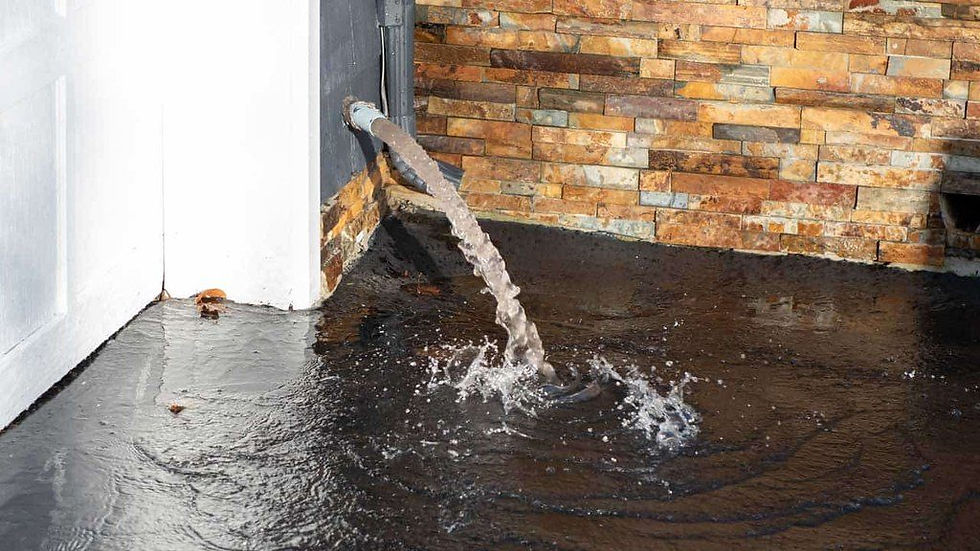
Pennsylvania's clay soil and fluctuating water tables create additional challenges for basement waterproofing. When your primary sump pump fails during a storm, groundwater has nowhere to go except into your basement, potentially causing thousands of dollars in damage within hours.
How Sump Pump Battery Backup Systems Work
A battery backup system consists of a secondary pump, marine-grade battery, and automatic control system that monitors your primary pump's operation. When the primary pump fails or power goes out, the backup system immediately takes over to prevent water accumulation.
The backup pump activates automatically when water rises above normal levels
Marine batteries provide 8-12 hours of continuous operation depending on pumping frequency
Built-in alarms alert you when the backup system engages
Smart controllers can send notifications to your phone during emergencies
The system recharges automatically when power returns
Types of Battery Backup Systems Available
Most battery backup systems fall into two main categories: combination units and standalone backup pumps. Combination systems integrate the backup pump directly into your existing sump pit alongside your primary pump.
Combination Backup Systems
Combination units offer the most comprehensive protection for Pennsylvania basements. These systems feature both AC and DC pumps in a single housing, with the battery backup pump positioned above the primary unit. When water levels rise beyond the primary pump's capacity or power fails, the backup automatically engages. This design maximizes pumping efficiency while minimizing space requirements in your sump pit.
Standalone Battery Backup Pumps
Standalone systems install separately from your primary pump, typically mounted higher in the sump pit. These units serve as dedicated emergency pumps that only operate during primary pump failure or power outages. While they require more pit space, standalone systems offer redundancy advantages since they operate independently of your main pumping system.
Factors That Determine Your Need for Battery Backup
Several factors specific to Pennsylvania homes increase the necessity for battery backup protection. Homes built on slopes, in low-lying areas, or near streams face higher groundwater intrusion risks during storms.
Your local power grid reliability also influences backup system importance. Rural areas around North Huntingdon, Greensburg, and outlying Pittsburgh communities often experience longer power outages during severe weather. If your neighborhood frequently loses power during storms, a battery backup system becomes essential rather than optional. Additionally, finished basements with valuable electronics, furniture, or living spaces require immediate protection that only backup systems can provide.
Installation Costs and System Lifespan Considerations
Professional battery backup installation typically ranges from $800 to $2,000 depending on system complexity and your existing sump pump setup. This investment proves worthwhile when compared to basement flood damage costs, which often exceed $10,000 for partial basement flooding.
Quality marine batteries last 3-5 years with proper maintenance, while the backup pump components can operate effectively for 7-10 years. Annual testing and battery maintenance ensure optimal performance when you need protection most. Many systems include maintenance alerts and diagnostic features that help you monitor system readiness throughout the year.
People Also Ask
How long will a sump pump battery backup run during a power outage?
Most sump pump battery backups provide 8-12 hours of continuous operation, though actual runtime depends on pumping frequency and battery capacity. High-capacity systems can operate for up to 24 hours during moderate water intrusion events. Battery life decreases with frequent cycling during heavy storms.
Do sump pump battery backups work without electricity?
Yes, sump pump battery backups operate completely independently of electrical power using marine-grade batteries. The system automatically switches to battery power when it detects primary pump failure or power loss. Built-in inverters convert battery power to run the backup pump motor efficiently.
How often should I test my sump pump battery backup system?
Test your battery backup system every 3-4 months by temporarily disconnecting power to your primary pump and observing backup activation. Annual professional inspections ensure battery health and system readiness. Most systems include test buttons that simulate power failure conditions for easy monitoring.
What size battery backup do I need for my sump pump?
Battery backup sizing depends on your basement size, local water table conditions, and desired runtime duration. Most residential systems use 75-100 amp hour marine batteries for adequate protection. Larger basements or high-risk areas may require dual battery configurations for extended operation capability.
FAQ
Will my homeowner's insurance cover battery backup installation costs?
Most insurance policies do not cover preventive installations like battery backup systems, though some insurers offer discounts for flood prevention measures. However, insurance typically covers water damage repairs that backup systems help prevent. Check with your provider about potential premium reductions for basement waterproofing improvements.
Can I install a sump pump battery backup myself?
While some homeowners attempt DIY installation, professional installation ensures proper electrical connections, pit modifications, and system integration with existing waterproofing components. Incorrect installation can void warranties and create safety hazards. Professional installation also includes system testing and maintenance guidance for optimal performance.
How do I know when my battery backup system needs maintenance?
Most modern backup systems include diagnostic lights, alarms, or smartphone notifications that indicate maintenance needs. Common signs include reduced battery runtime, frequent false alarms, or failure to activate during testing. Annual professional maintenance catches potential issues before they compromise your basement protection.
What happens if both my primary and backup sump pumps fail?
Dual pump failure typically results from overwhelming water volume that exceeds both pumps' combined capacity or simultaneous mechanical failure. This scenario highlights the importance of comprehensive basement waterproofing solutions beyond just sump pumps. Professional waterproofing systems include multiple protection layers that reduce reliance on pump systems alone.
Protect Your North Huntingdon Home with Professional Waterproofing Solutions
A sump pump battery backup system provides essential protection for Pennsylvania basements, but it works best as part of a comprehensive waterproofing strategy. Combining backup pumps with proper drainage, foundation sealing, and professional waterproofing creates multiple layers of protection against basement flooding.
Our team has helped hundreds of North Huntingdon homeowners protect their basements through proven Foundation Repair and waterproofing solutions tailored to Pennsylvania's unique challenges. Understanding The Process of Basement Waterproofing: What to Expect helps homeowners make informed decisions about protecting their most valuable investment. Don't wait until the next storm tests your basement's defenses.
Visit A Better Choice, Inc. or call 724-863-9696 today. Our experienced team provides complete basement waterproofing assessments that identify your specific risks and recommend appropriate protection measures. Contact us for more information.



Comments