
What Makes Hydrostatic Pressure So Dangerous?

AI Summary
Learn why hydrostatic pressure around foundations is one of the most damaging forces affecting Western PA homes.
Understand how saturated soil pushes against basement walls and forces water through cracks.
Discover the warning signs of rising groundwater and long-term soil saturation problems.
See when homeowners need basement waterproofing or structural repairs for full protection.

What Makes Hydrostatic Pressure So Dangerous?
Homeowners across Pittsburgh, North Huntingdon, Irwin, and Westmoreland County often hear the term “hydrostatic pressure” when discussing basement leaks or foundation concerns. But what exactly is it, and why is it considered one of the most dangerous and destructive forces affecting a home?
Hydrostatic pressure happens when water builds up in the soil around your foundation. As the soil becomes saturated, the weight and pressure increase. This pressure forces water into any available opening and puts intense stress on the basement walls, floor, and joints. In Western Pennsylvania, hydrostatic pressure is especially common because of heavy rainfall, snowmelt, clay-heavy soil, and seasonal moisture cycles.
Even well-built foundations cannot withstand years of severe pressure without showing signs of damage. This guide explains why hydrostatic pressure is so dangerous, what causes it, and how homeowners can prevent long-term water and structural issues.
What Is Hydrostatic Pressure?
Hydrostatic pressure occurs when groundwater builds up in the soil around a home’s foundation. As water collects, the soil becomes saturated, and the weight of that water pushes inward against the foundation.
This pressure affects:
Basement walls
Foundation footers
Floor slabs
Wall joints
Mortar lines
Cracks and weak points
Hydrostatic pressure does not need fast-moving water to cause damage. The weight of standing groundwater alone is enough to force water through concrete and cause severe structural strain.
Why Hydrostatic Pressure Is Worse in Western PA
Western Pennsylvania has unique soil and weather patterns that increase hydrostatic pressure more than many other regions.
1. Clay-Heavy Soil Retains Water
Neighborhoods in zip clusters like 15642, 15644, and 15221 have clay-rich soil that absorbs water slowly and holds onto moisture for long periods. When saturated after storms or snowmelt, the soil expands and increases pressure against the foundation.
2. Frequent Rainfall and High Moisture Levels
Pittsburgh and the surrounding areas receive a high amount of yearly rainfall. During spring and fall, especially, rain saturates soil quickly, creating persistent pressure.
3. Rising Groundwater in Spring
When snow melts and spring rains arrive, groundwater levels rise. When groundwater reaches the height of the basement floor, leaks and seepage occur even without visible cracks.
4. Freeze-Thaw Cycles
Winter freeze-thaw cycles create or widen cracks in foundation walls. Once spring arrives, water pushes through these openings.
5. Aging Foundations
Older homes with block walls or unreinforced concrete are more vulnerable to pressure and water seepage.
How Hydrostatic Pressure Damages Homes
Hydrostatic pressure is powerful enough to cause several serious problems.
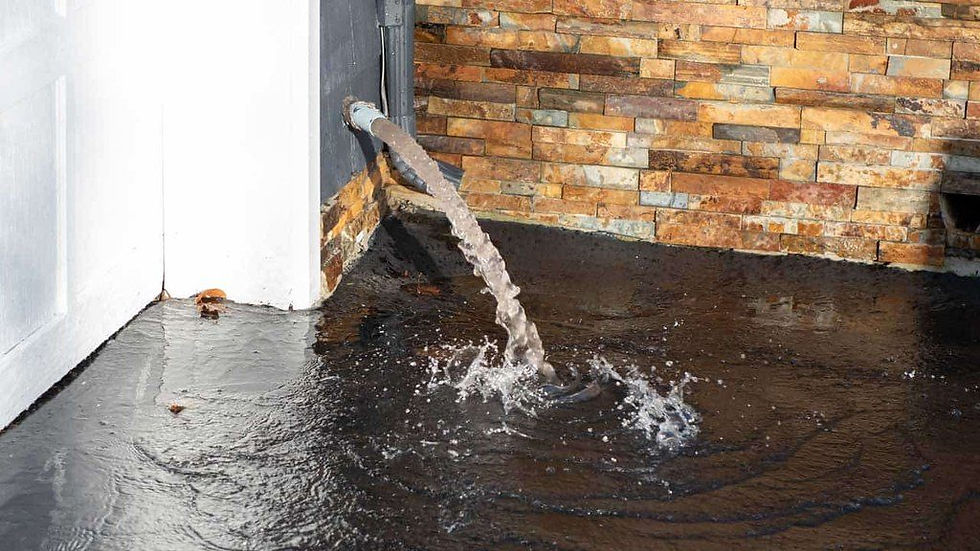
1. Basement Leaks and Flooding
Water forced through pores and cracks leads to:
Wet walls
Puddling along the floor
Seepage after storms
Recurring spring leaks
Damp or humid basement air
If leaks become frequent, basement waterproofing may be required.
2. Bowed or Bulging Foundation Walls
When soil pressure becomes too strong, basement walls begin to curve inward. This is one of the most dangerous signs of hydrostatic pressure, especially in older block wall foundations.
3. Cracked Floors and Wall Joints
Hydrostatic pressure forces water up through the bottom of the foundation slab. This leads to cracks across the floor, leaks at floor-wall seams, and structural movement.
4. Mold Growth
Moisture entering the home creates damp surfaces that mold attaches to. Mold spreads quickly in basements with limited airflow or poor drainage.
5. Efflorescence and Surface Breakdown
White, chalky residue on walls indicates that water is moving through the concrete. Over time, moisture erodes mortar joints and weakens the wall structure.
6. Structural Shifting and Foundation Settlement
Long-term pressure can shift walls, cause leaning, and damage foundation supports. In severe cases, structural repairs are needed to stabilize the home.
Signs Hydrostatic Pressure Is Affecting Your Basement
Homeowners should watch for early warning signs, such as:
Water Seepage After Rain
If water appears along walls or floors after storms, soil pressure is pushing moisture inward.
Horizontal or Stair-Step Cracks
Horizontal cracks often mean the wall is bending inward under pressure.
Damp or Cold Walls
Persistent dampness on foundation walls means water is moving through the concrete.
Musty Smells
Moisture accumulation creates odors that worsen during storms or spring months.
Bowing or Bulging Walls
A curved wall is a serious structural warning sign that pressure has exceeded the wall’s strength.
Standing Water Near the Foundation
Poor grading or downspout drainage causes soil saturation and increases pressure.
Sump Pump Overworking
If the sump pump runs continuously, groundwater levels may rise.
Why Hydrostatic Pressure Is So Dangerous
Hydrostatic pressure is dangerous because:
It Never Stops
As long as the soil holds moisture, pressure remains against the foundation.
It Worsens Over Time
Pressure builds season after season, gradually weakening walls.
It Causes Sudden Structural Failure
A bowing wall that goes unresolved can collapse without warning.
It Leads to Severe Moisture Problems
Persistent dampness encourages mold growth, poor air quality, and musty odors.
It Is Hidden Until Damage Appears
Pressure happens underground, so homeowners may not notice it until cracks, leaks, or structural changes develop.
How Homeowners Can Reduce Hydrostatic Pressure
Fixing hydrostatic pressure starts with addressing the source of the moisture.
1. Improve Exterior Drainage
This prevents water from collecting around the home.
Steps include:
Extending downspouts
Cleaning gutters
Regrading the yard
Adding drainage channels
2. Install a French Drain or Yard Drainage System
French drains redirect groundwater and relieve pressure around the foundation.
3. Add or Upgrade Basement Waterproofing
Interior and exterior waterproofing systems help prevent water from entering the basement. Basement waterproofing is one of the most effective defenses against hydrostatic pressure.
4. Maintain a Functional Sump Pump
A sump pump helps pull groundwater away from the foundation. Backup systems are recommended in high-water-table neighborhoods.
5. Seal Cracks and Weak Points
Small cracks expand quickly under pressure. Early sealing helps prevent leaks.
6. Correct Poor Soil Conditions
Clay-heavy soil may require drainage improvements to reduce saturation.
7. Schedule a Foundation Inspection
If walls are bowing, cracking, or shifting, structural repairs may be needed to stabilize the home.
Problem to Solution: Helping Homeowners Act Early
Problem: Walls bow or crack from soil pressure
Solution: Evaluate foundation stability and consider structural repairs.
Problem: Water seeps in after storms
Solution: Install basement waterproofing to block seepage.
Problem: Groundwater rises in the spring
Solution: Improve drainage and add a French drain.
Problem: Basement stays humid or musty
Solution: Upgrade home ventilation systems to control moisture.
People Also Ask
What causes hydrostatic pressure?
Groundwater buildup around the foundation.
Can hydrostatic pressure cause walls to collapse?
Yes. Severe pressure can lead to wall failure if not addressed.
Does waterproofing reduce pressure?
Waterproofing helps prevent moisture entry, but drainage improvements relieve pressure.
Is hydrostatic pressure worse in clay soil?
Absolutely. Clay soil expands when saturated, increasing pressure.
FAQ Section
How do I know if pressure is affecting my home?
Look for cracks, leaks, bowing walls, or damp spots.
Does a dehumidifier fix hydrostatic pressure?
No. It helps indoor humidity but not soil pressure.
What is the best long-term solution?
Combining drainage improvements with waterproofing.
Does insurance cover hydrostatic pressure damage?
Typically not, since it is considered a maintenance issue.
Protect Your Home From Hydrostatic Pressure
Hydrostatic pressure is one of the strongest and most destructive forces affecting foundations in Western Pennsylvania. Whether the problem is seepage, bowing walls, or saturated soil, A Better Choice Inc. provides long-term solutions that protect your home and prevent future damage.
Call 1-800-343-2357 or fill out the online form to schedule a professional inspection. A Better Choice Inc. proudly serves Pittsburgh, North Huntingdon, Irwin, and Westmoreland County with trusted waterproofing and foundation repair services.



Comments