
What Should I Do When My Basement Smells Earthy?

AI Summary
Earthy basement smells usually signal moisture, mold, or soil-related air intrusion.
These odors are common in Western Pennsylvania due to soil conditions and seasonal moisture.
Identifying the source early helps prevent mold growth and structural issues.
Long-term solutions focus on moisture control, airflow improvement, and foundation protection.
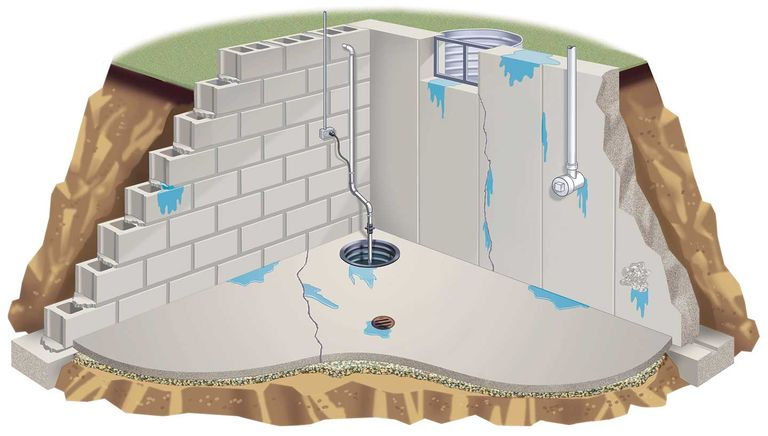
An earthy or soil-like smell coming from your basement is more than just an unpleasant odor. For many homeowners in Pittsburgh, North Huntingdon, Irwin, and across Westmoreland County, this smell is an early warning sign of moisture problems beneath the home. Earthy odors are often described as damp, musty, or similar to wet soil after rain. While the smell may seem minor at first, it usually indicates that moisture is present where it should not be.
Basements are especially vulnerable to earthy odors because they sit below ground level and are surrounded by soil. When moisture builds up and airflow is limited, smells from damp soil, mold, or organic material can travel upward into living spaces. Understanding what causes these odors and how to address them is essential for protecting indoor air quality and preventing long-term damage.
This guide explains why basements develop earthy smells, how to identify the source, and what homeowners can do to eliminate the problem for good.
What Causes Earthy Smells in Basements?
Earthy odors are almost always connected to moisture. In Western Pennsylvania, several common conditions contribute to this issue.
Moisture Seeping Through Foundation Walls
Concrete and block foundation walls are porous. When soil around the home becomes saturated after rain or snowmelt, moisture slowly passes through the foundation. As it evaporates inside the basement, it releases a damp, earthy smell.
Homes in zip clusters like 15642, 15137, and 15644 experience this frequently due to clay-heavy soil that holds moisture.
Mold and Mildew Growth
Mold and mildew thrive in damp, dark environments. Even when mold is not visible, it can still produce strong odors. Mold often grows:
Behind finished walls
On insulation
On wood framing
Along the basement corners
Near floor-wall joints
Earthy smells are often one of the first signs that mold is present.
Poor Basement Airflow
Basements with limited airflow trap moisture and odors. Without proper air circulation, smells linger and intensify over time.
Rising Ground Moisture
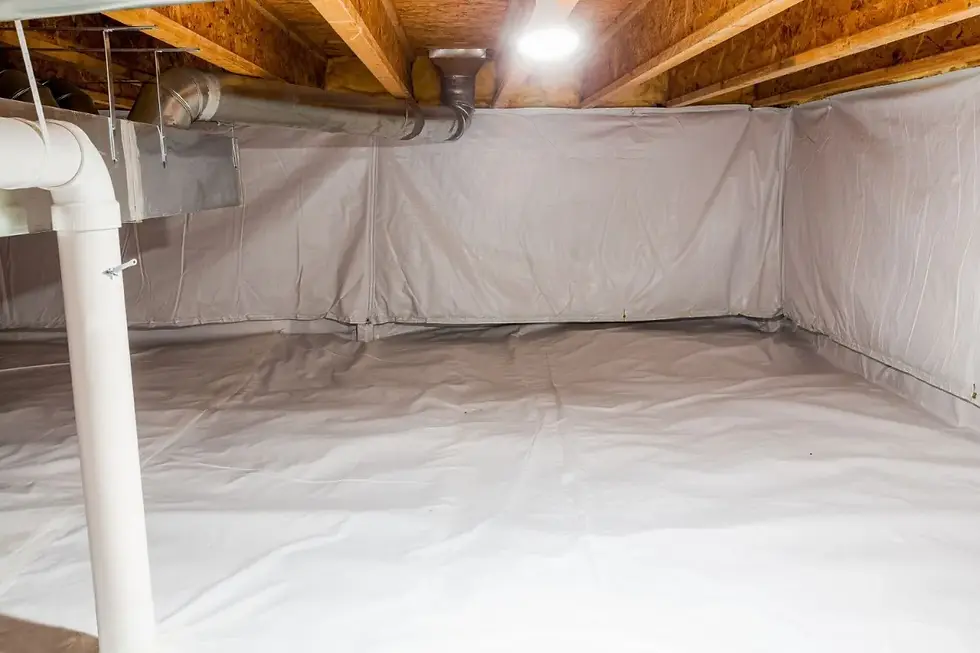
Ground moisture beneath the basement can release odors into the air. This often occurs when vapor barriers are missing or damaged, allowing soil gases and moisture to enter the basement.
Water Stains and Damp Surfaces
Areas with recurring dampness, such as stained walls or wet corners, commonly produce earthy smells. These odors become stronger after rainstorms or during humid months.
Crawl Space Odors Traveling Upward
If your home has a crawl space connected to the basement, smells from below can rise into the basement and living areas.
Organic Debris or Old Materials
Cardboard boxes, wood, or stored items that absorb moisture can also contribute to musty odors over time.
Why Earthy Basement Smells Are Common in Western Pennsylvania
The region’s environment makes earthy odors especially common.
Clay-Heavy Soil
Clay soil expands when wet and holds moisture against foundation walls for long periods. This keeps basements damp even after the rain stops.
Seasonal Moisture Changes
Spring snowmelt, summer humidity, and fall rain all introduce moisture into the soil. Each season brings new conditions that promote odor development.
Freeze and Thaw Cycles
Cracks can form during freeze and thaw cycles, allowing moisture and soil odors into the basement.
Older Homes
Many homes in Pittsburgh and surrounding communities were built decades ago with materials that are more vulnerable to moisture intrusion.
Signs the Earthy Smell Indicates a Bigger Problem
An earthy odor is often the first warning sign. Homeowners should look for additional clues.
Persistent Odors After Cleaning
If the smell returns quickly after cleaning, moisture is still present.
Strong Smells After Rain
Odors that worsen after storms usually indicate groundwater or drainage issues.
Visible Water Stains or Efflorescence
White powder or dark stains on walls suggest moisture movement.
Increased Humidity Indoors
If the basement feels humid or sticky, moisture levels are too high.
Mold Spots or Discoloration
Even small patches of mold indicate conditions that allow growth to spread.
Health Symptoms
Allergy-like symptoms, headaches, or respiratory irritation can be linked to mold spores.
Why You Should Not Ignore Earthy Basement Odors
Ignoring basement odors can lead to serious issues over time.
Mold Growth and Spread
Odors often appear before mold becomes visible. Left untreated, mold can spread into walls and upper floors.
Poor Indoor Air Quality
Air from the basement circulates through the home, carrying odors and spores.
Structural Deterioration
Moisture weakens wood framing, joists, and foundation materials.
Increased Energy Costs
Humid air makes heating and cooling systems work harder.
Reduced Home Value
Basement odor issues raise concerns during inspections and home sales.
How to Identify the Source of the Smell
Finding the source is key to eliminating the odor permanently.
Inspect Basement Walls and Floors
Look for damp spots, discoloration, or cracks.
Check Corners and Floor-Wall Joints
These areas often allow moisture entry.
Examine Stored Items
Remove cardboard or fabric items that may be absorbing moisture.
Monitor Odors During Weather Changes
Note whether smells worsen after rain or during humid periods.
Check Crawl Spaces
If accessible, inspect for moisture or mold beneath the home.
How to Eliminate Earthy Basement Smells Long Term
Masking odors with sprays or deodorizers does not solve the problem. Long-term solutions focus on moisture control and airflow.
Improve Exterior Drainage
Keeping water away from the foundation reduces moisture entry. This includes:
Extending downspouts
Cleaning gutters
Correcting yard grading
Installing drainage systems
Seal Foundation Cracks
Cracks should be sealed to prevent moisture and soil gases from entering.
Address Ongoing Water Intrusion
If moisture consistently enters through walls or floors, basement waterproofing helps redirect water away from the foundation.
Improve Airflow and Ventilation
Proper airflow prevents odors from becoming trapped. Homes with recurring basement odors often benefit from home ventilation systems designed to manage humidity and air exchange.
Remove Mold Safely
If mold is present, it should be removed using proper containment methods.
Reduce Indoor Humidity
Lowering humidity discourages mold growth and odor development.
Inspect Structural Components
If moisture has caused wood rot or movement, structural repairs may be necessary to protect the home.
Problem to Solution
Problem: Basement smells earthy after rain
Solution: Improve drainage and address moisture entry points.
Problem: Odors return after cleaning
Solution: Eliminate the moisture source rather than masking smells.
Problem: Humidity feels high year-round
Solution: Improve airflow and moisture control.
Problem: Musty smells spread upstairs
Solution: Address basement air quality and moisture issues.
People Also Ask
Is an earthy basement smell always mold?
Not always, but it often indicates moisture that can lead to mold growth.
Can a dehumidifier fix the smell?
It helps reduce humidity but does not stop moisture intrusion.
Why does the smell get worse in summer?
Warm, humid air increases condensation and odor intensity.
Are earthy odors dangerous?
They can be if linked to mold or poor air quality.
FAQ
How quickly can basement odors develop?
Odors can develop within days when moisture is present.
Should I clean the mold myself?
Small areas can be cleaned, but recurring mold needs professional evaluation.
Do finished basements get earthy smells?
Yes. Moisture can be trapped behind finished walls.
When should I call a professional?
If odors persist, worsen, or are accompanied by dampness or health symptoms.
Restore Fresh Air to Your Basement
An earthy basement smell is a sign that moisture is affecting your home. Whether the cause is groundwater, poor airflow, or hidden mold, addressing the issue early helps protect your indoor air quality and structural integrity.
A Better Choice Inc. provides long-term solutions that target moisture, airflow, and foundation issues at the source. Call 1-800-343-2357 or fill out the online form to schedule a professional basement evaluation. We proudly serve Pittsburgh, North Huntingdon, Irwin, and Westmoreland County.



Comments