
What Is Interior vs Exterior Basement Waterproofing?
- A Better Choice Inc.

- 11 minutes ago
- 7 min read
Key Takeaway
Interior and exterior basement waterproofing are fundamentally different approaches that solve moisture problems from opposite directions.
Western Pennsylvania's freeze-thaw cycles and clay-heavy soils make choosing the right method especially important for long-term protection.
Neither approach is universally superior; the best solution depends on your specific foundation type, water source, and budget.
A professional inspection is the only reliable way to determine which method will actually stop water from entering your home.

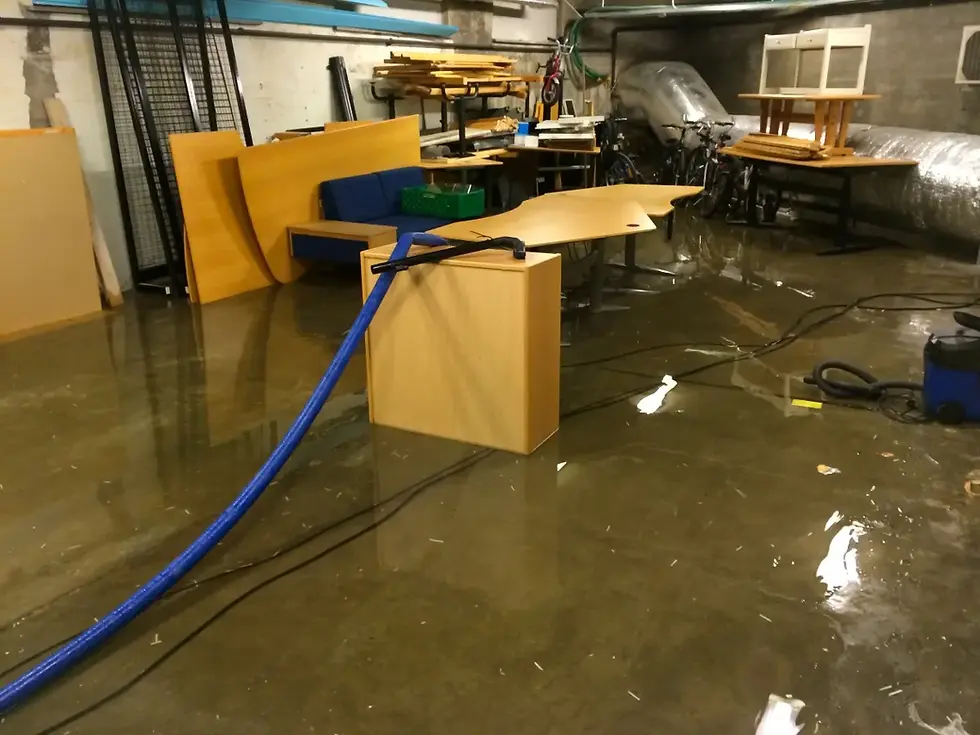
You wake up to find an inch of standing water on your basement floor after a heavy spring rain. The walls are damp, there is a musty smell you have tried to ignore for months, and you are starting to wonder whether your foundation is compromised. If this sounds familiar, you are not alone. Wet basement problems are one of the most common concerns homeowners across Western Pennsylvania face, and the wrong fix can cost far more than the right one.
The core question most homeowners ask is whether to address moisture from inside the basement or from outside the foundation wall. Both strategies have real merit, and both have limitations. Understanding the difference can save you from expensive repeat repairs and help you protect your home's value for years to come. If you are a homeowner in North Huntingdon, Irwin, or anywhere in the surrounding area, Basement Waterproofing from a qualified local contractor starts with knowing exactly what you are dealing with.
How Interior and Exterior Basement Waterproofing Actually Differ
At the most basic level, interior vs exterior basement waterproofing comes down to where the solution is applied. Interior waterproofing manages water once it has entered or is entering your foundation system, while exterior waterproofing tries to stop water before it ever reaches the wall. Here is what each approach typically involves:
Interior systems channel groundwater through a drainage network installed along the basement perimeter, directing it to a sump pump that expels it away from the home.
Exterior waterproofing requires excavating the soil around the full perimeter of the foundation to apply a waterproof membrane or coating directly to the outside of the wall.
Interior solutions are less disruptive to your landscaping, driveway, and existing structures adjacent to the home.
Exterior systems address the root cause at the wall surface but require significant excavation, which increases labor and project time.
Many waterproofing professionals recommend a combination of both methods for foundations dealing with multiple water entry points.
Common Myths Homeowners Believe About Basement Waterproofing
One of the most persistent myths is that interior waterproofing is simply a temporary patch that does not solve the real problem. In reality, a properly installed interior drainage system with a quality sump pump is a proven, long-term solution for the vast majority of wet basement situations. It redirects water reliably and, when combined with a dehumidifier, keeps your basement dry year-round. If you have ever wondered whether a dehumidifier alone could solve your moisture problem, Basement Dehumidifier vs Waterproofing: Which Solves Moisture Problems? answers that question directly.
Another common misconception is that exterior waterproofing is always the superior choice. While it does address the foundation wall directly, exterior excavation is not always practical or necessary. Mature trees, attached structures, and limited lot lines can make full excavation difficult or impossible in many Greensburg and Monroeville neighborhoods. In those cases, an interior drainage system often handles the problem just as effectively at a fraction of the cost and disruption.
How A Better Choice, Inc. Approaches Waterproofing
Every waterproofing project starts with a thorough inspection, because the water source matters as much as the water itself. With nearly 30 years of experience serving Western Pennsylvania homeowners, A Better Choice, Inc. evaluates the foundation walls, floor joints, and any visible cracking before recommending a course of action. This prevents homeowners from investing in a solution that does not match their actual problem.
Diagnosing the Water Source
Wall seepage, floor cracks, and window well flooding all point to different entry paths and require different responses. Horizontal cracks in block or poured walls may signal lateral soil pressure, which is a Foundation Repair concern as much as a waterproofing one. Identifying the true source is the step most homeowners skip when they attempt to handle moisture problems on their own. For a full walkthrough of what a professional waterproofing visit looks like, The Process of Basement Waterproofing: What to Expect is a useful resource.
Interior Drainage and Sump Pump Installation
When interior waterproofing is the right fit, the process involves installing a perimeter drainage channel beneath the basement floor that collects infiltrating water and routes it to a sump pump. Sump pump installation is a core part of most interior systems and is what makes the solution active rather than passive. A battery backup system is also strongly recommended in Western PA, where power outages during heavy storms are common. For more on keeping your system running year-round, Sump Pump Maintenance Tips for Western Pennsylvania Homeowners is worth reviewing before the next storm season.
Practical Considerations for Western Pennsylvania Homeowners
The local climate plays a direct role in which waterproofing solution holds up over time. In the Pittsburgh area, building code requires foundation footings to sit below the 36-inch frost line. When footings are too shallow or when surrounding soil retains significant moisture, freeze-thaw cycles through each winter repeatedly stress foundation walls, widening hairline cracks into active leaks by spring. This is not a theoretical risk; it is something homeowners across Irwin, Trafford, and Export see every year after a hard winter.
Cost for either approach depends heavily on your foundation type, the extent of moisture intrusion, and site conditions specific to your property. No honest contractor can quote a reliable figure without seeing your basement first. A Better Choice, Inc. offers free inspections so homeowners get an accurate assessment before committing to any scope of work. Costs vary widely by project, and getting a proper quote protects you from both under-investing in an inadequate fix and overspending on work you do not need.
People Also Ask
What is the difference between interior and exterior basement waterproofing?
Interior waterproofing manages water that enters or tries to enter the basement by routing it through a drainage system to a sump pump. Exterior waterproofing stops water at the foundation wall using membranes or coatings applied after excavation. Both approaches can be effective, and many serious moisture problems benefit from elements of each method working together.
How long does basement waterproofing last?
A properly installed interior drainage system with a quality sump pump can last decades with routine maintenance, including periodic sump pump checks and clearing of drainage channels. Exterior membranes also offer long-term protection when correctly applied, though their lifespan depends on soil conditions, drainage grading, and installation quality. No waterproofing system eliminates the need for occasional inspection.
Is interior basement waterproofing worth it?
For most homeowners dealing with groundwater seepage or hydrostatic pressure, interior waterproofing is a proven, cost-effective solution that reliably keeps basements dry. It is less disruptive than exterior excavation and can typically be completed faster. Whether it is worth it depends on your specific water problem, which is why a professional inspection matters before you invest.
Do I need both interior and exterior waterproofing?
Many homes do well with one system or the other, but foundations with multiple entry points, significant wall damage, or severe hydrostatic pressure may benefit from a combined approach. A qualified waterproofing contractor can assess whether one system is sufficient or whether layering both methods will provide more complete, lasting protection for your home.
FAQ
How do I know if my basement needs waterproofing or foundation repair?
Wet walls and floor seepage often point to a waterproofing problem, while horizontal cracks, bowing walls, or doors that no longer close properly can indicate structural foundation issues. Some homes need both addressed at the same time. A professional inspection will determine whether moisture management, structural repair, or a combination is the right course of action.
Can I waterproof my basement myself?
DIY waterproofing products like sealants and coatings may reduce minor condensation but are rarely sufficient for active water intrusion or hydrostatic pressure. Improperly installed drainage systems can make moisture problems worse by trapping water without an adequate exit route. For most homeowners dealing with a genuinely wet basement, professional installation is the more reliable and cost-effective long-term choice.
How long does a basement waterproofing project take?
Most interior waterproofing projects can be completed in one to three days depending on basement size and complexity. Exterior excavation projects typically take longer due to the amount of digging, wall prep, and backfilling involved. Your contractor should give you a clear timeline during the inspection so you can plan accordingly.
Will waterproofing my basement increase my home's value?
A dry, functional basement is a significant selling point in the Western PA real estate market, and documented waterproofing work can reassure buyers that the home has been properly maintained. While specific value increases depend on many factors, a finished or usable basement that stays dry is consistently more attractive to buyers than one with visible moisture damage or musty odors.
Protect Your Home Before the Next Rain Season
Weighing interior vs exterior basement waterproofing is not a decision to make based on what a neighbor did or what a quick online search suggests. Every foundation is different, and Western PA soil conditions, frost depths, and seasonal rainfall patterns all influence which solution will actually hold up. With nearly three decades of experience and a strong track record serving homeowners across North Huntingdon, Monroeville, Greensburg, and the greater Pittsburgh area, A Better Choice, Inc. has the local knowledge to match the right solution to your specific situation.
Do not wait for the next heavy storm to confirm what your basement is already telling you. A wet basement rarely gets better on its own, and small cracks that seem minor in September can become serious structural concerns by March. The sooner you have a professional evaluate your foundation, the more options you will have and the less you are likely to spend on repairs. For additional guidance, Basement Flooding After Heavy Rain: Prevention Tips for Western PA covers steps you can take right now to reduce risk before a contractor visit.
Visit A Better Choice, Inc. or call 1-800-343-2357 today. Getting a free inspection puts you in control of your home's health before moisture damage gets worse. Contact us for more information.


Comments