
Why Does Water Come In Through My Outside Basement Stairwell?

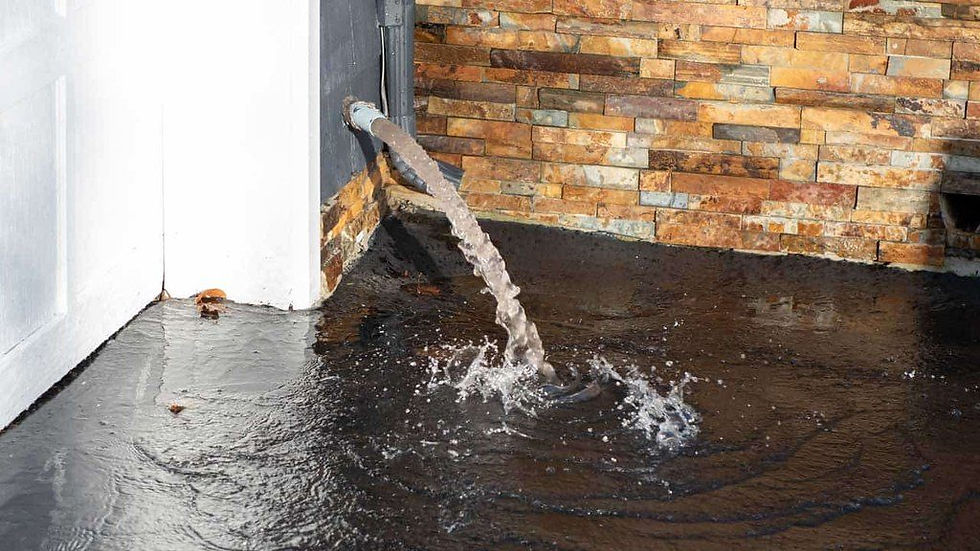
Water comes in through an outside basement stairwell because the stairwell is an open pit below ground level, and everything that falls into it has to leave through a single basement stairwell drain at the bottom. When that drain clogs, freezes, or cannot keep up, water pools against the door and rises until it slips under the threshold. In the Pittsburgh area, that pit fills often: NOAA's 1991 to 2020 normals for Pittsburgh International Airport show 39.61 inches of precipitation a year.
A stairwell also catches water you might not count. Using that same NOAA figure, a 4-by-8-foot stairwell opening collects about 790 gallons of rain in an average year from direct rainfall alone, before any roof or yard runoff reaches it. NOAA's normals add 44.1 inches of snowfall a year and a January mean temperature of 28.8 F, so snow drifts into the well, sits there, and melts onto a drain that may be frozen. This guide covers how stairwell drains work, why they clog, how water gets under the door, and when to bring in help.

What does a basement stairwell drain do?
A basement stairwell drain is a grated opening in the landing at the bottom of exterior basement steps that carries rain and meltwater away before it reaches the door. The landing is supposed to slope gently toward that grate, and the grate sits lower than the door threshold so water has somewhere to go first.
Where the water goes after the grate varies from house to house:
Into a pipe tied to the footing drain around the foundation
Into a gravel dry well under the landing
Out to a storm sewer or daylight at a lower part of the yard
Into a sump pit inside the basement, where a pump sends it back out
If a stairwell drain turns out to be tied into the sanitary sewer, that is its own problem. 3 Rivers Wet Weather states that stormwater should never be connected into a sanitary system designed to carry only wastewater. If you are not sure where your drain runs, a camera inspection or a dye test by a plumber can answer that.
Why does an outside stairwell drain clog?
When an outside basement stairwell drain is clogged, start with the grate. The bottom of a stairwell collects whatever the wind and rain carry in. Leaves, grass clippings, mulch, and soil wash down the steps and settle on the grate. Once a mat of debris covers it, water stops moving even if the pipe below is clear.
Other causes sit below the grate:
Silt and sand building up in the pipe or the trap over years
Roots finding a joint in an old clay or cast iron line
A collapsed or crushed section of pipe
Ice in the drain line during a cold snap, with meltwater arriving from above
A garden hose tells you a lot. Clear the grate, run water into the drain for several minutes, and watch. Water that backs up quickly points to a blockage close to the surface. Water that drains at first and then slows suggests trouble farther down the line, or a dry well that has filled with silt and can no longer absorb water.
How does water get in under the basement door?
Water coming in under a basement door usually means the water level on the landing rose higher than the threshold. A few details decide how fast that happens.
Threshold height matters most. If the door sill sits only an inch or two above the landing, a partly blocked drain can put water at the door in a single heavy storm. A landing that pitches toward the door instead of toward the drain sends water straight at the weakest spot.
The door itself can let water through. Worn weatherstripping, a gap under the door sweep, or a sill that has pulled away from the foundation all give pooled water a way in. Water can also enter where the stairwell walls meet the house foundation, much like the joints around window wells. The same principles apply as in this explanation of what causes water to enter through window wells.
Are your gutters and downspouts dumping into the stairwell?
Walk the house during a rain and look at the edge of the roof above the steps. A gutter that overflows or a downspout that ends near the stairwell can send far more water into it than rain falling on the opening.
The DOE Building America Solution Center recommends that downspouts discharge at least 5 feet from the foundation, or underground at least 10 feet away. It also calls for grade that falls at least half an inch per foot for the first 10 feet from the house. Soil that slopes toward the stairwell walls funnels yard runoff into it.
Rerouting a downspout is a small job compared with rebuilding a drain. This post on why downspouts cause foundation problems explains what happens when roof water is released too close to the house, and these tips on improving drainage around a Pittsburgh home cover grading and extensions.
Do bulkhead doors and stairwell covers stop the water?
They help with rain and snow falling straight in. They do not fix a drain that is failing or water moving through the soil.
Bilco, a basement door manufacturer, says its doors are designed to be weathertight, and notes that if daylight shows where the header and side pieces meet, a bead of caulk should be applied there as its installation instructions direct. A bulkhead door leak can come from those joints, or from the seal between the door frame and the foundation.
Covers and enclosures cut down on leaves and snow collecting at the bottom, which means fewer clogs. They do not stop groundwater from rising through cracks in the stairwell walls or slab, or water seeping in where the stairwell structure meets the house.
When should you call a professional about water in the stairwell?
Call someone when water keeps reaching the door after you have cleared the grate, rerouted nearby downspouts, and tested the drain with a hose. Other signs that the problem goes past maintenance:
The drain backs up even with a clean grate
Water stands on the landing for hours or days after rain
Water comes through the stairwell walls or the slab, not just under the door
You find the drain tied into a sewer line
The fix depends on where the water starts. A plumber or drain cleaner can camera and clear a blocked line. A waterproofing contractor looks at the landing pitch, the threshold, the joints between stairwell and foundation, and whether the drain can be tied into a drainage system such as the one described in this piece on what a French drain is and whether your basement needs one. Rain-driven flooding through several entry points at once is covered in these basement flooding prevention tips for Western PA.
Rerouting a drain may need a permit. In Allegheny County, 3 Rivers Wet Weather's summary of the Allegheny County Health Department's Article XV says an application, plans, and a permit from the Health Department are required before plumbing repairs or sewer line replacement begin. Check with your municipality or the county before work starts, and confirm a contractor's Pennsylvania home improvement registration at hicsearch.attorneygeneral.gov.
FAQ
How often should I clean my basement stairwell drain?
Check it after leaves drop in fall, after the last big snow melts, and after any storm that brings debris down the steps. A quick look at the grate after heavy rain can catch a clog before it floods the door.
Why does my stairwell flood in winter when it is not raining?
Snow drifts into the stairwell and melts on warm days while the drain line may still hold ice. NOAA's normals put Pittsburgh's January mean temperature at 28.8 F, so freeze and thaw cycles are common.
Can I connect my stairwell drain to my sump pump?
Some homes route the stairwell drain to an interior sump pit. Whether that fits your house depends on the pump's capacity, the depth of the drain, and local rules, so have it evaluated first.
Is it legal to connect a stairwell drain to the sewer?
3 Rivers Wet Weather says stormwater should never go into a sanitary sewer built only for wastewater. Your municipality can tell you what connections are allowed where you live.
Will homeowners insurance cover water coming in through a basement stairwell?
It depends on the cause and your policy language. The Pennsylvania Insurance Department notes that flood is not covered by standard homeowners policies, so ask your agent how your policy treats surface water and drain backups.
Why does water come through the stairwell walls instead of the door?
That points to water in the soil pressing against the walls, not just pooling on the landing. Cracks and joints where the stairwell meets the foundation are likely entry points.
Help for Basement Stairwell Leaks From A Better Choice, Inc.
A Better Choice, Inc. has served over 26,000 satisfied customers in the Greater Pittsburgh area since 1996, fixing wet basements across Westmoreland, Allegheny, Butler and neighboring counties. If water keeps coming in through your outside basement stairwell, the family and veteran owned team offers a free inspection to trace where it enters and explain your basement waterproofing options.
Visit A Better Choice, Inc. or call 1-800-343-2357 today. Contact us for more information.


Comments